The Silhouette
Intangible Heritage Craft Points
Heritage textile details, finishing notes and limited-batch positioning for the luxury product template.
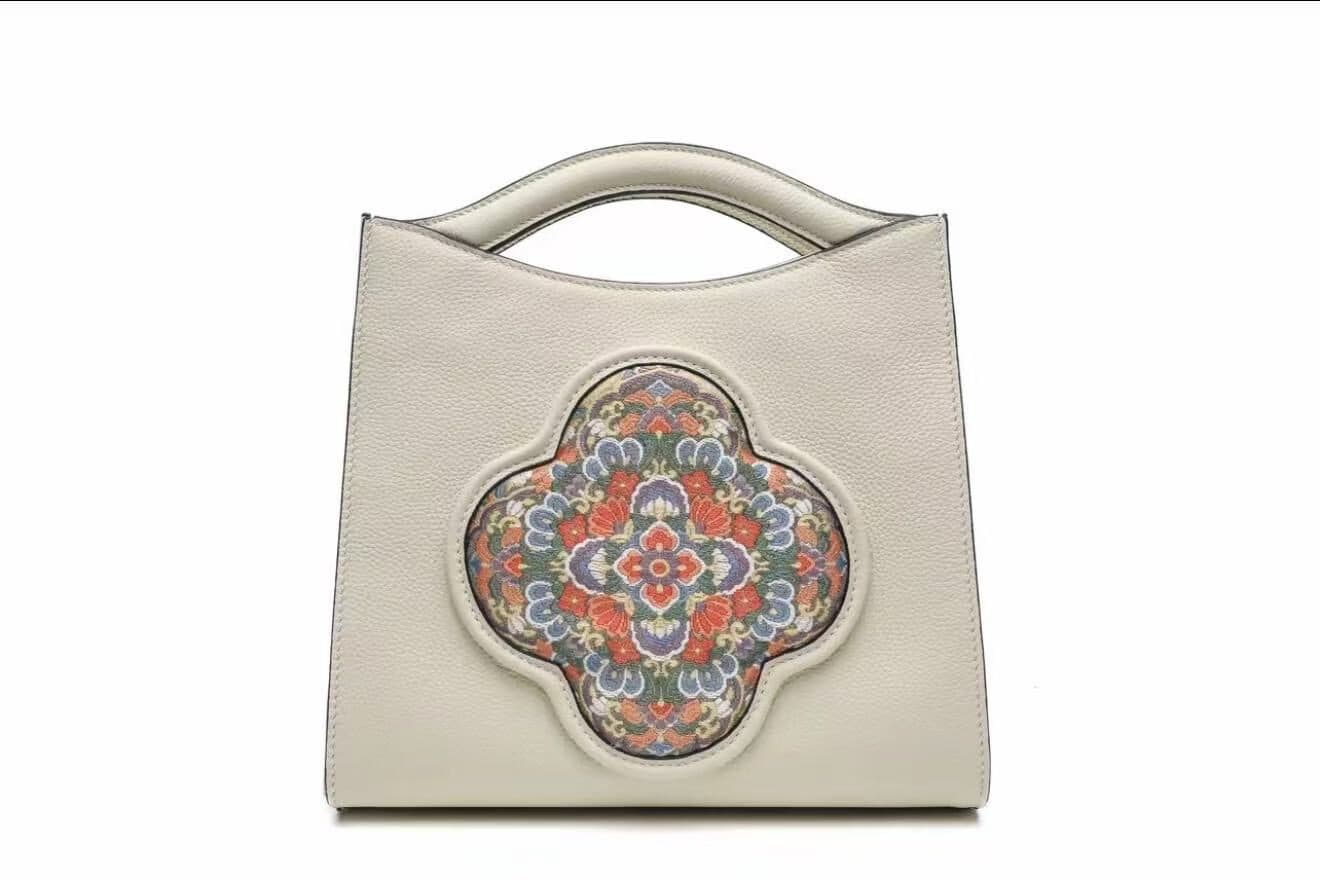
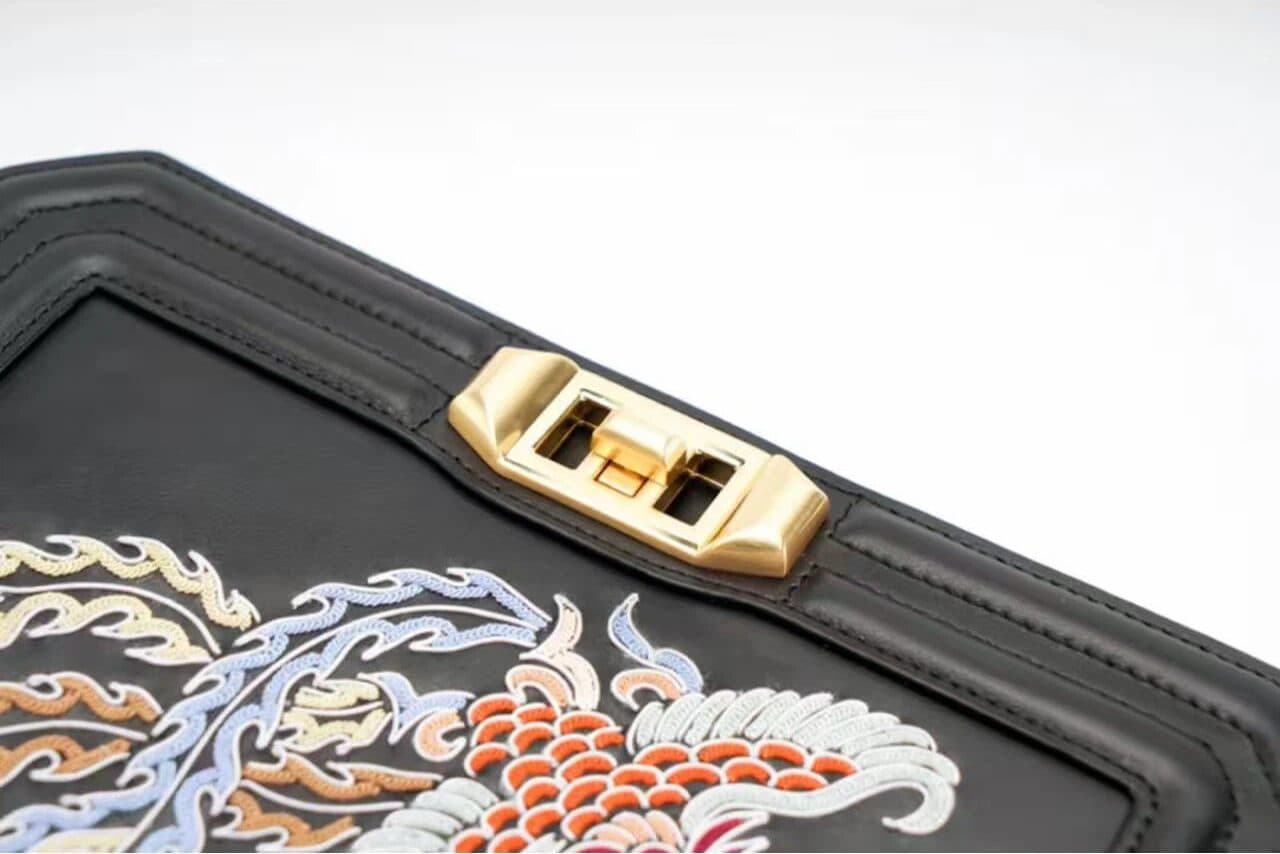
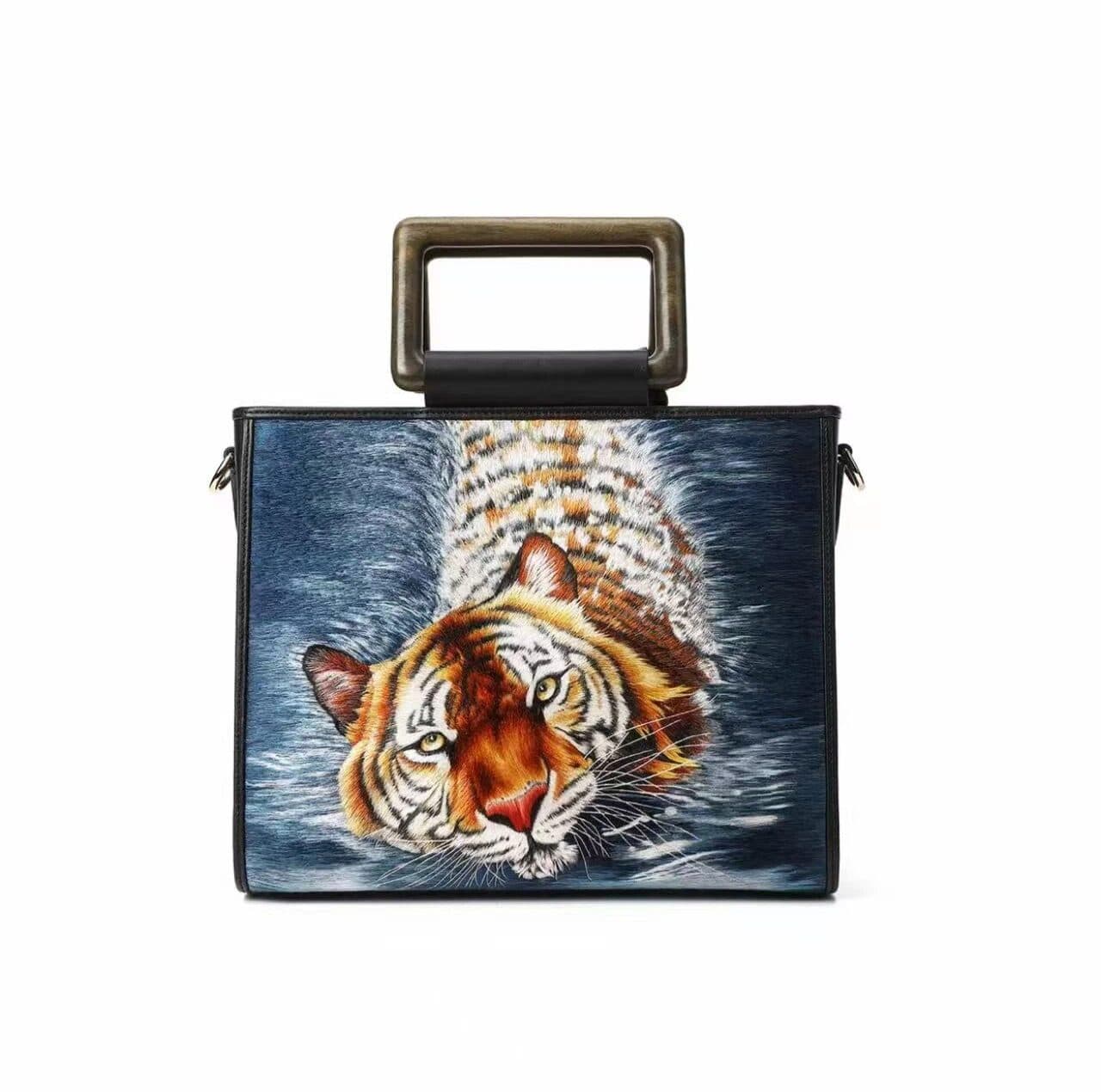
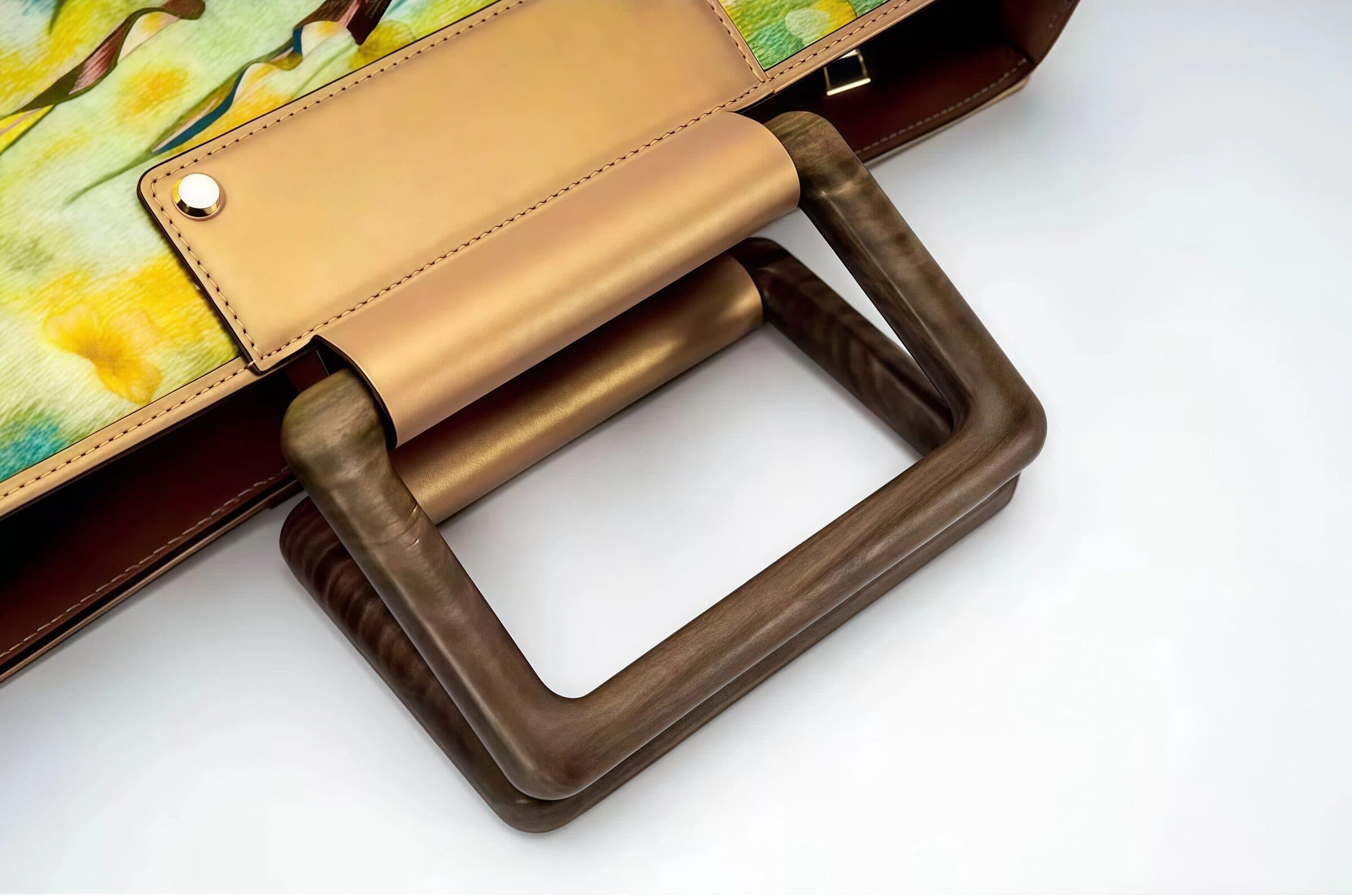
Select soft caramel first-layer cowhide as the base of the bag, and combine it with intangible cultural heritage hand-made Suzhou embroidery technology to create this Dunhuang Feitian style large-capacity tote bag. The surface of the bag is a complete reproduction of the Dunhuang frescoes depicting the flying flute. The craftsman used dozens of colored mulberry silk threads to embroider in layers using traditional Su embroidery needles and gold-plating stitches. The elegant flying apsaras and flowing cloud lotus are embroidered layer by layer. The silk threads are warm and shiny under the light and shadow, perfectly restoring the unique hazy beauty of the Dunhuang frescoes. It is equipped with a natural solid wood square handle, and a gold-plated brass buckle on the side can be added with a long shoulder strap. The multi-compartment design inside the bag makes it full of storage capacity for commuting. Caramel cowhide is gentle and versatile, suitable for cheongsam, new Chinese Hanfu, commuter windbreaker, and daily dresses. The flying sky pattern means good luck, peace and tranquility, and everything goes well. Dunhuang culture has its own peaceful charm of the Silk Road. Su embroidery is a hand-made intangible cultural heritage handed down from generation to generation. It can be used for personal use to show oriental elegance. It is very stylish for birthdays, business, cultural travel souvenirs, and Goddess' Day gifts.
Su embroidery is one of the four famous embroideries and a national intangible cultural heritage. It is famous for its delicate stitches and vivid colors. It has been an embroidery art used by the royal court since ancient times. The Dunhuang Flying Apsara is a classic symbol of Silk Road culture. It was painted on the Mogao Grottoes murals thousands of years ago. The Flying Apsara symbolizes peace, joy, and good fortune, and witnesses the fusion of Eastern and Western aesthetics. The craftsmen went to Dunhuang to refer to the original grotto murals, extracted the classic image of the flying flute, and transformed the thousand-year-old murals into Suzhou embroidery patterns. The entire Feitian embroidery surface is not machine-made. It is all layered and smudged embroidery by hand by the embroiderer. The gradient color matching of streamers and auspicious clouds requires repeated thread changes. A single embroidery surface takes several days to complete, and the texture of each stitch is unique. Combining Dunhuang Silk Road aesthetics, Suzhou embroidery intangible cultural heritage craftsmanship and modern commuter tote bags, the thousand-year-old murals can emerge from the grotto and become oriental art that can be carried every day.
- Inspired by Chinese intangible heritage weaving and Silk Road ornament.
- Hand-finished surface made in small batches for visual consistency.
- Designed to match charms, bags and gift sets from the same pattern family.