The Silhouette
Intangible Heritage Craft Points
Heritage textile details, finishing notes and limited-batch positioning for the luxury product template.
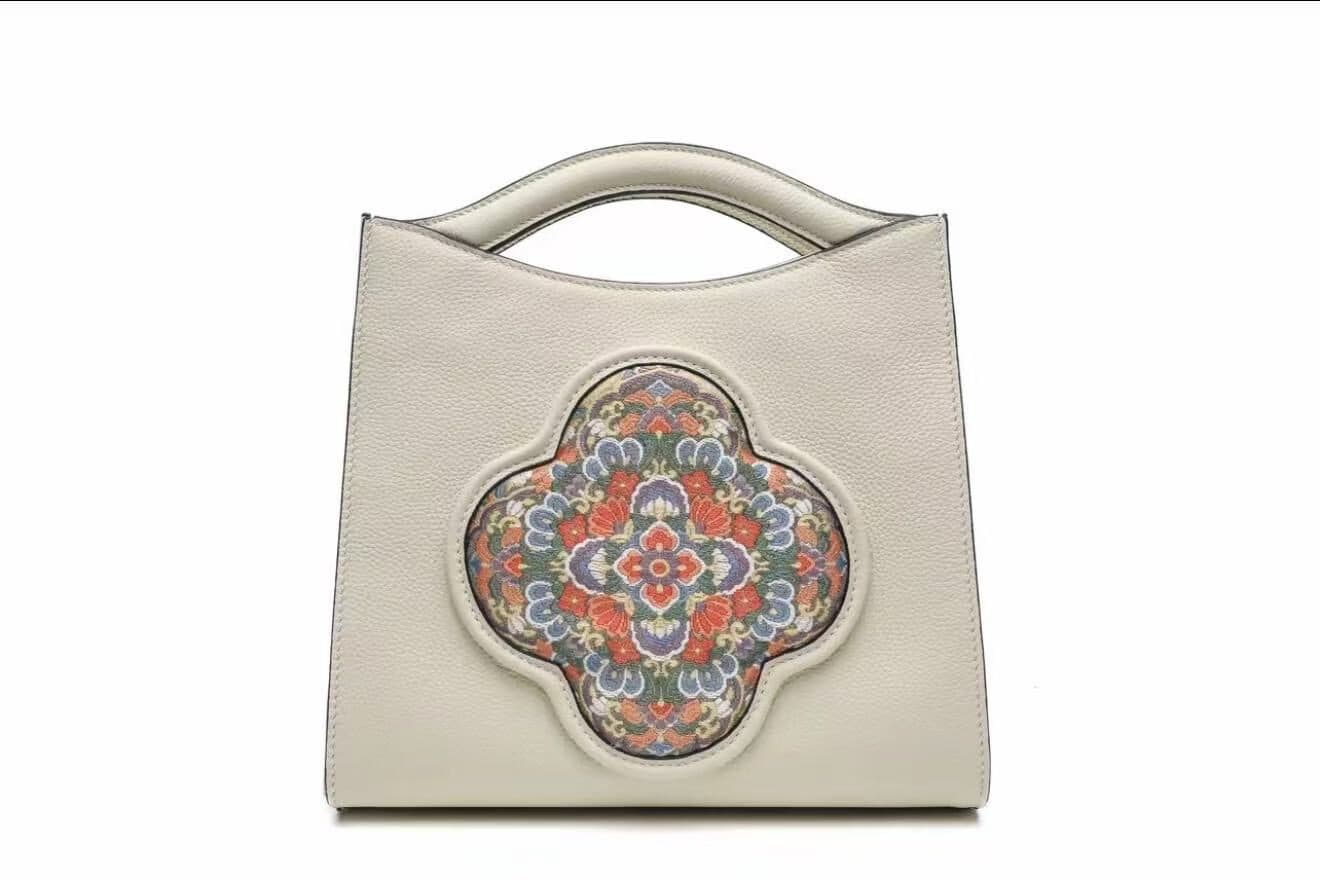
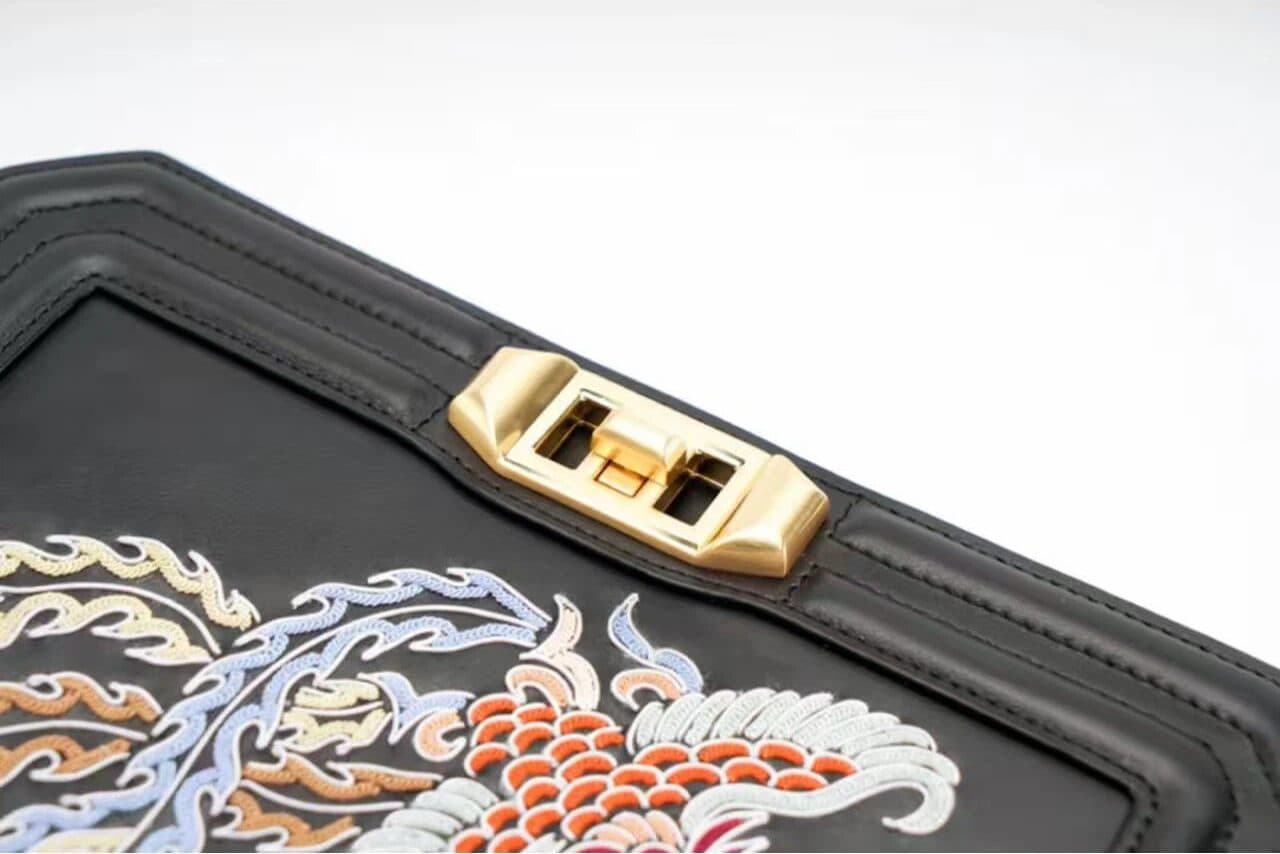
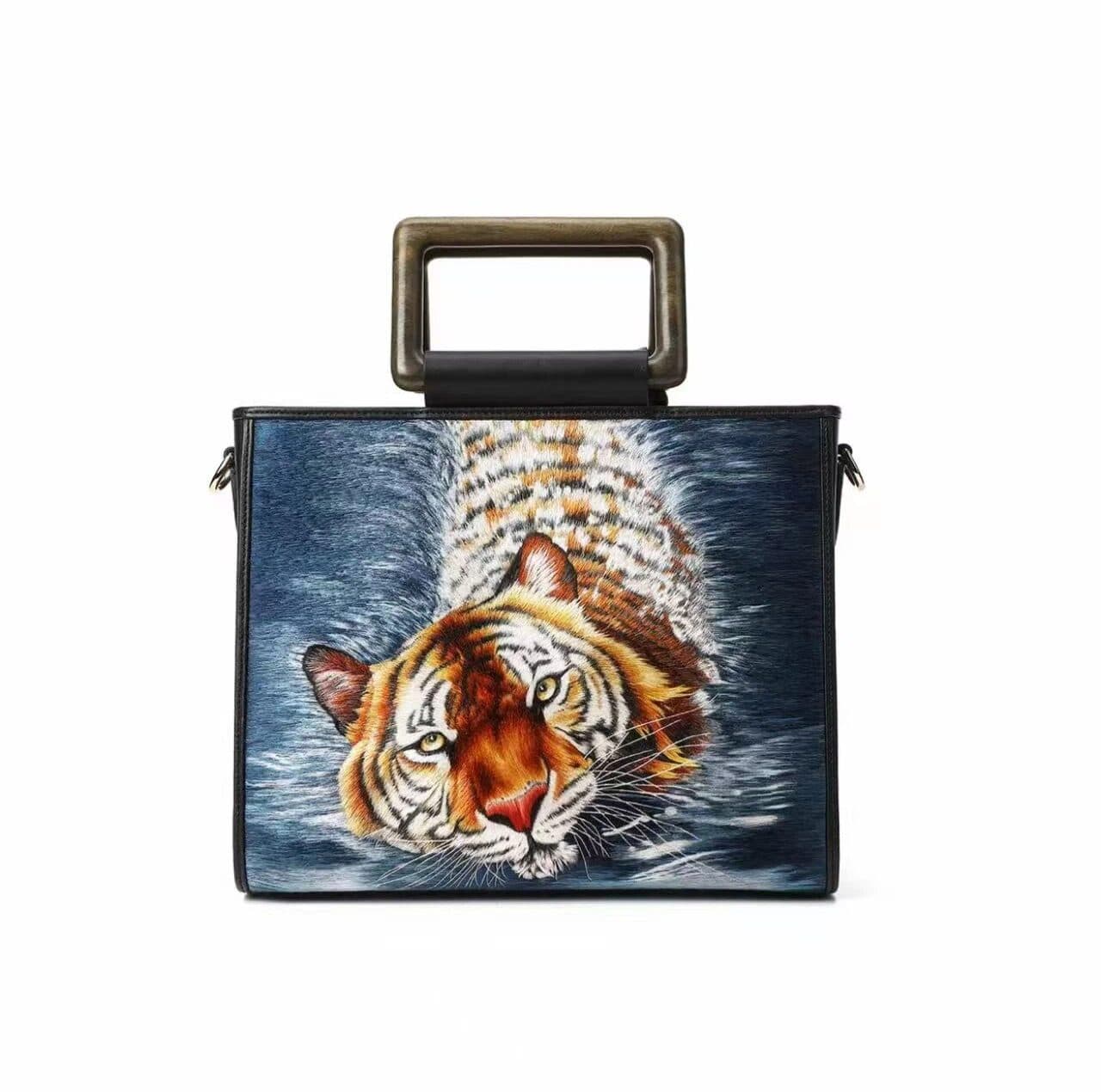
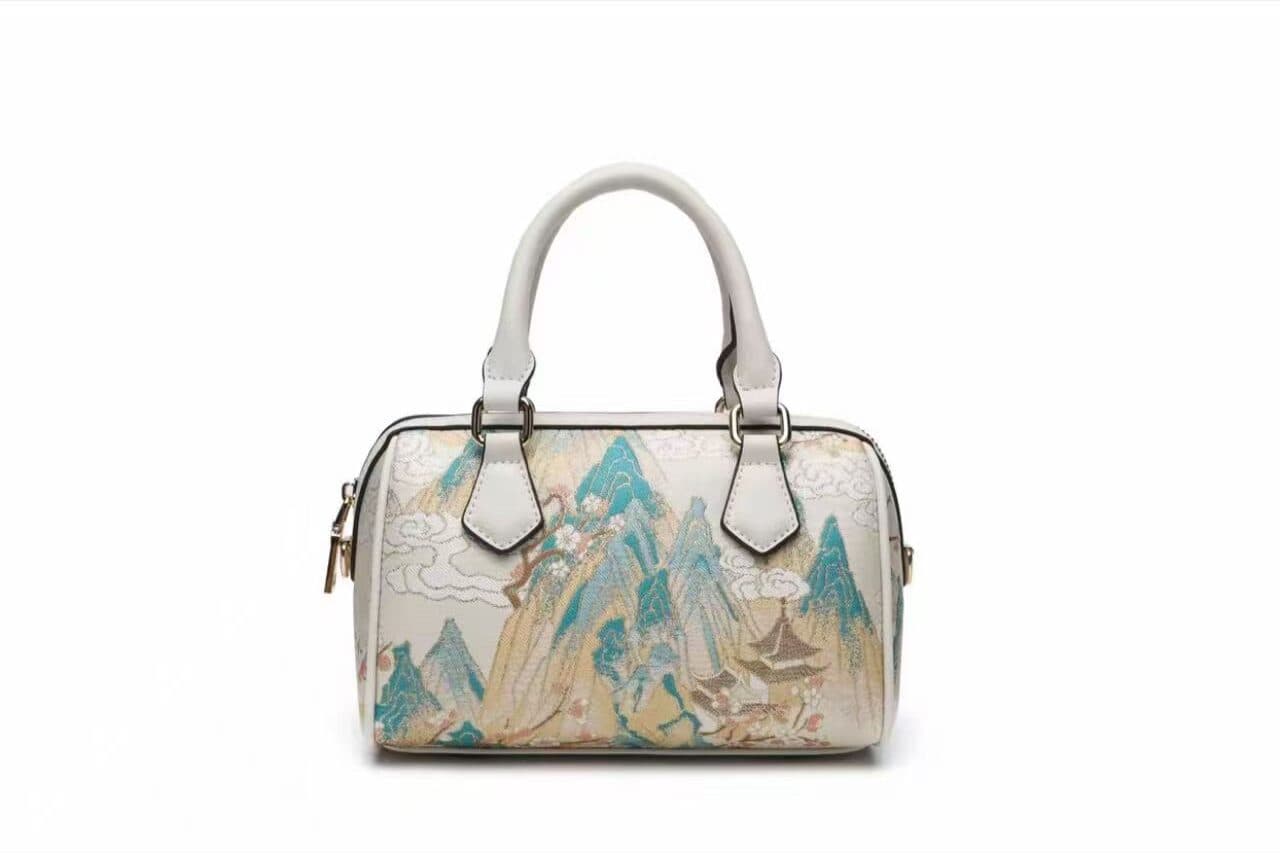
The intangible cultural heritage tapestry is selected as the main body of the bag, combined with large mother-of-pearl inlays and thick gold tracing techniques to create this light luxury Boston handbag with top oriental craftsmanship. The tapestry on the package is made of off-white as the base, and weaves a landscape with mountains and rivers surrounded by auspicious clouds. The key pavilions and flower branches are inlaid with natural abalone and mother-of-pearl, bringing iridescent light, and are combined with thick gold hand-drawing to outline the outline, making the landscape artistic conception more layered and luxurious. The handles and edges are made of off-white first-layer cowhide, which is flexible and wear-resistant. It is matched with gold-plated brass zipper hardware, which is exquisite and not easy to oxidize. The classic Boston bucket bag has ample capacity and can hold daily items such as mobile phones, powder, lipstick, etc. It can be carried by hand or worn cross-body with a shoulder strap. The overall design is simple and elegant, with a royal nobility. It is suitable for cheongsam and new Chinese style wear, and can also be paired with commuter suits and dresses. It is a Chinese-style light luxury item with both cultural heritage and collection value. The pattern of thousands of miles of rivers and mountains means a long future, everlasting foundation, and smooth mountains and rivers. The tapestry and mother-of-pearl craftsmanship symbolize wealth and nobility. Self-use is noble and elegant. Giving gifts means grand ambitions and advancement.
Kesi, known as the "Holy of Weaving", is the pinnacle of Chinese silk craftsmanship. It began in the Han Dynasty and flourished in the Tang and Song Dynasties. In ancient times, it was specially woven for the royal family. There are many Kesi treasures in the Palace Museum. Mother-of-pearl inlay is the representative of the "Baobao Inlay" craft. It began in the Shang and Zhou dynasties and flourished in the Ming and Qing dynasties. It is the top decorative craft used by the royal court. The craftsmen integrated the "A Thousand Miles of Rivers and Mountains", the pinnacle of green landscapes in the Song Dynasty, into the three intangible cultural heritage techniques of tapestry, mother-of-pearl, and gold tracing. The landscape skeleton was woven with mulberry silk, inlaid with natural abalone shells, and outlined with thick gold outlines. Each process was completed by hand, which was time-consuming and labor-intensive, and the yield rate was extremely low. Each bag was a unique work of art. This bag combines the elegance of Song Dynasty landscapes with the luxury of palace craftsmanship, integrating thousands of years of oriental aesthetics into daily wear and becoming a walking cultural business card.
- Inspired by Chinese intangible heritage weaving and Silk Road ornament.
- Hand-finished surface made in small batches for visual consistency.
- Designed to match charms, bags and gift sets from the same pattern family.