The Silhouette
Intangible Heritage Craft Points
Heritage textile details, finishing notes and limited-batch positioning for the luxury product template.
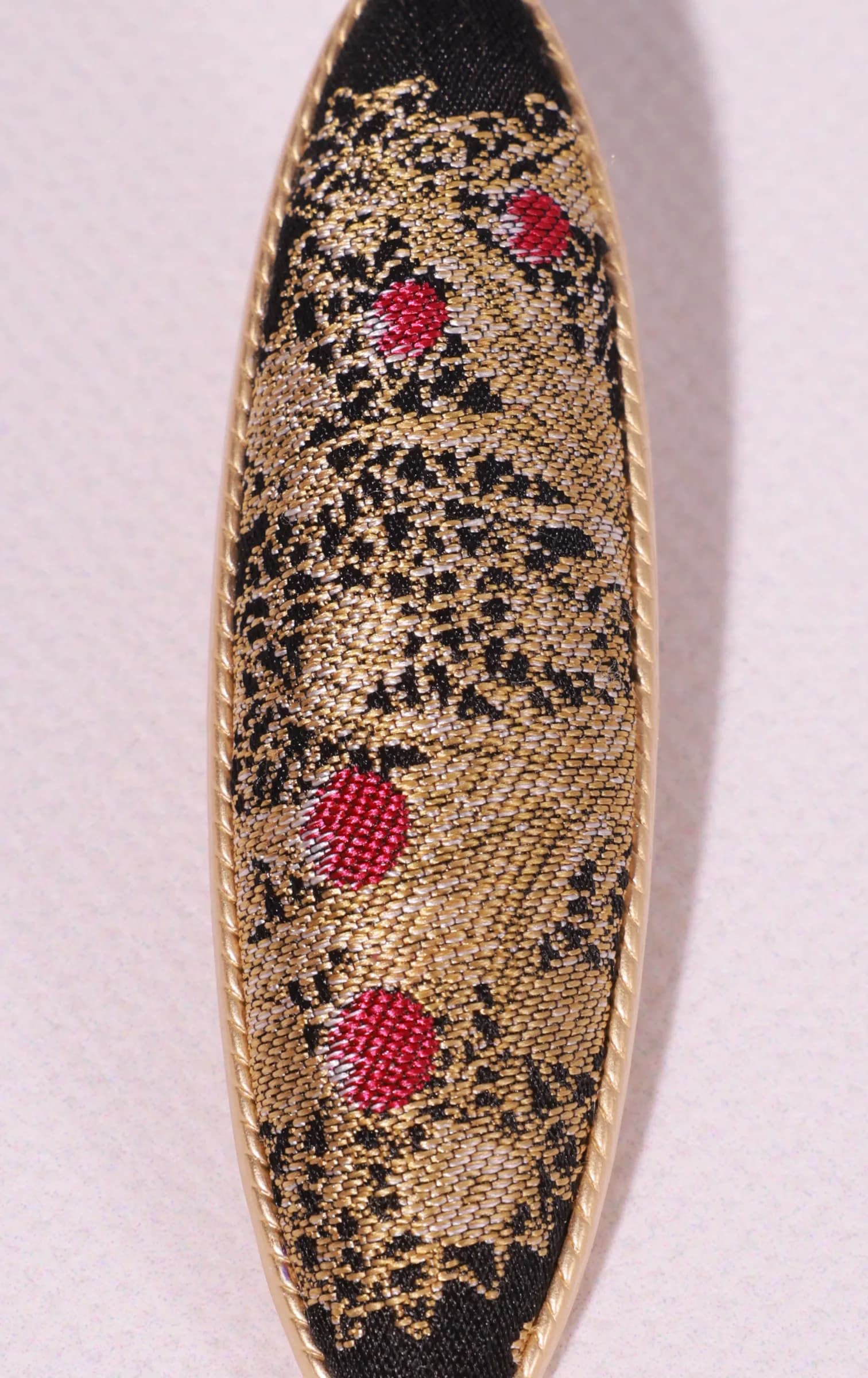
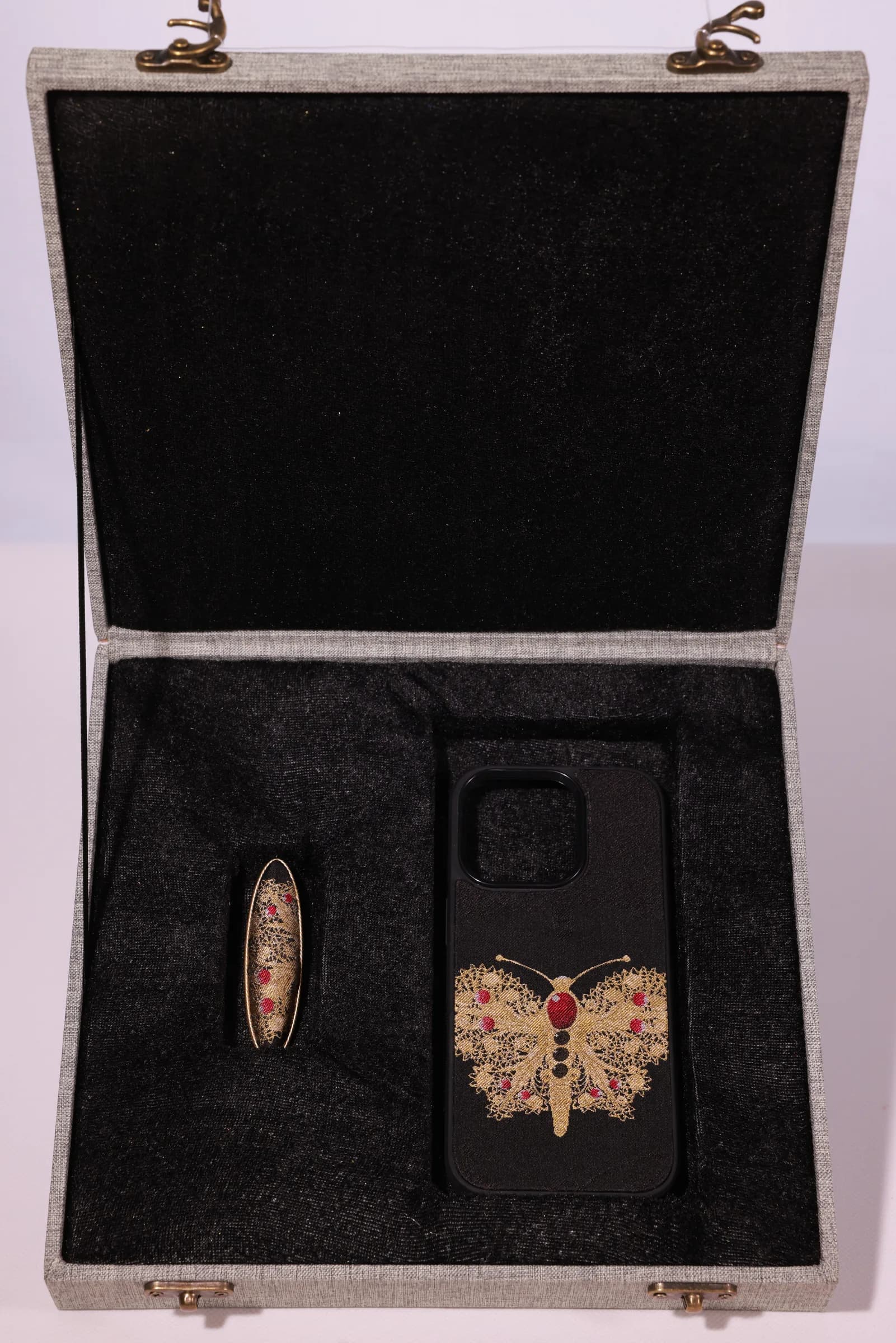
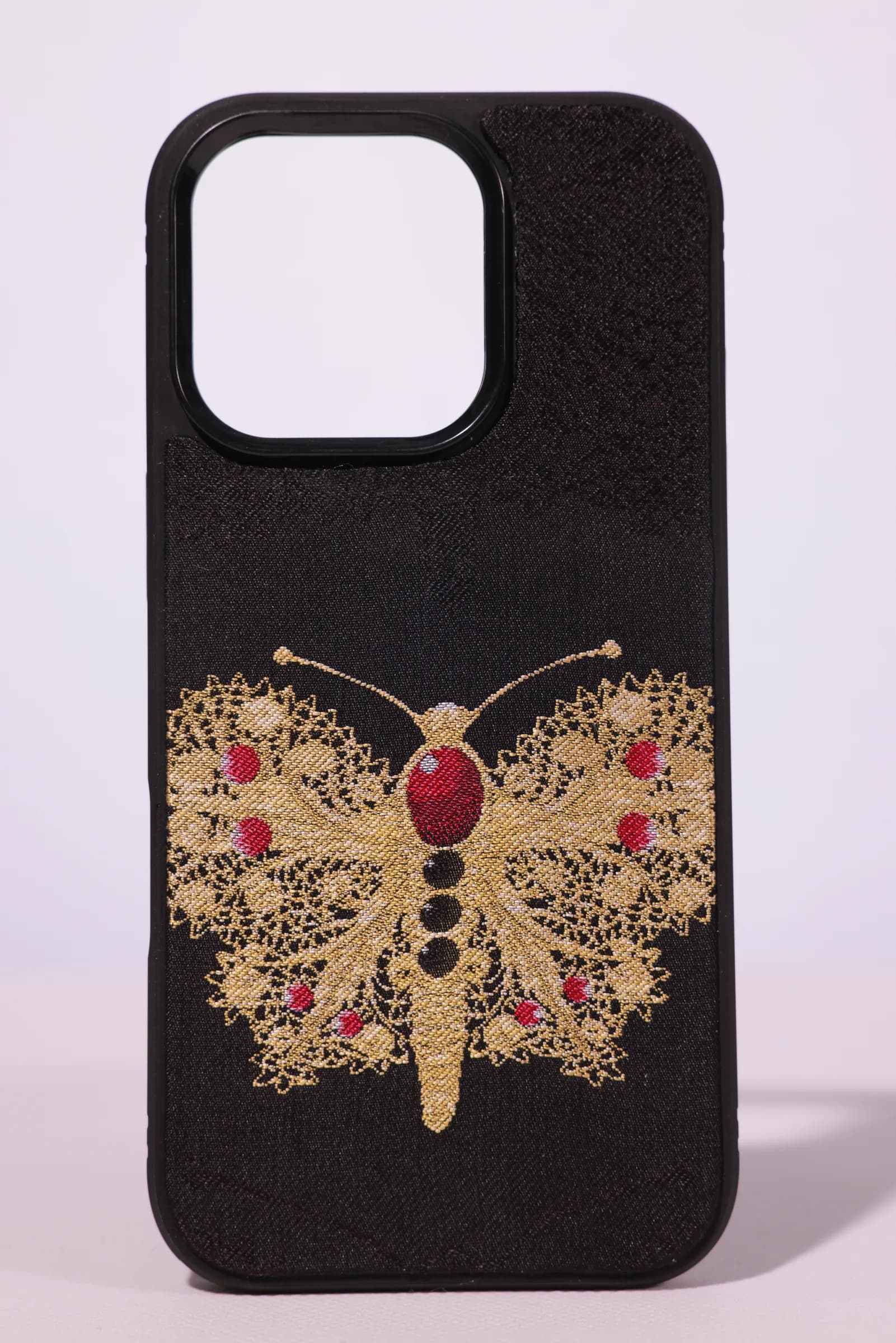
The selection is a rare five-layer intangible cultural heritage Song brocade of the same style as a national gift, with multiple layers of natural mulberry silk mixed with ancient gilt silk and ruby red silk, and an original palace inlaid gold-winged butterfly pattern. It has a matte pure dark brocade base, with a whole gilt butterfly with lace texture in the center stretching out its wings, ruby red dots embellished on the butterfly wings, ruby round belly and black bead string body. Five-fold weft hand-made jacquard creates a hollow relief fabric texture. The texture is delicate and exquisite, and the texture is far superior to ordinary printed embroidery phone cases. The all-inclusive TPU soft shell is 1:1 accurately molded on the real machine, and the lens ring is raised to cushion all bumps and bumps; the natural mulberry silk brocade surface is breathable and skin-friendly, resists oil and fingerprints, and can be held dry and non-sticky in all seasons. Butterfly is a homophonic word for "Fu Di", which means good luck and wealth will come one after another. Ruby red symbolizes good luck and prosperity. In ancient times, the butterfly brocade inlaid with precious stones was specially used for the clothes and treasure brocade boxes of palace concubines. It is a representative pattern of wealth and auspiciousness. It can be used by yourself to bring good luck and prosperity. Giving gifts means continuous blessing and good luck.
Shangjiukai completely inherited the entire set of ancient Song brocade methods from Suzhou Weaving House in the Ming and Qing Dynasties. The brocade material has been used as a national-level foreign affairs and national gift fabric all year round; the five-fold weft is the top limited heavy weft brocade in ancient times. The materials and labor hours are five times that of ordinary Song brocade. It was only used by the royal family in the Ming and Qing Dynasties. The butterfly pattern has been an auspicious pattern since ancient times. Gold butterfly fabrics inlaid with jewels were popular in the palace, which symbolized continuous good fortune and rising fortunes. The ruby color was taken from the ruby accessories in the palace, symbolizing good fortune and nobility. In the Qing Dynasty, Suzhou Weaving specially woven black gold butterfly tribute brocades for the harem. The craftsmen restored this black gold and ruby red color scheme by referring to the butterfly pattern remnants of Qing Dynasty costumes in the Forbidden City, and adhered to the five-fold weft hand-weaving method. The entire brocade has gone through more than 20 processes of reeling and dyeing, natural dyeing of vegetation, cross-stitching, and layered weaving with five layers of weft. The hollow butterfly pattern is fine and complicated. The old-fashioned handloom can only weave 1 to 2 centimeters of fabric in a single day. The cost of gilt + ruby red raw materials is high, and mass production of fabrics is extremely scarce.
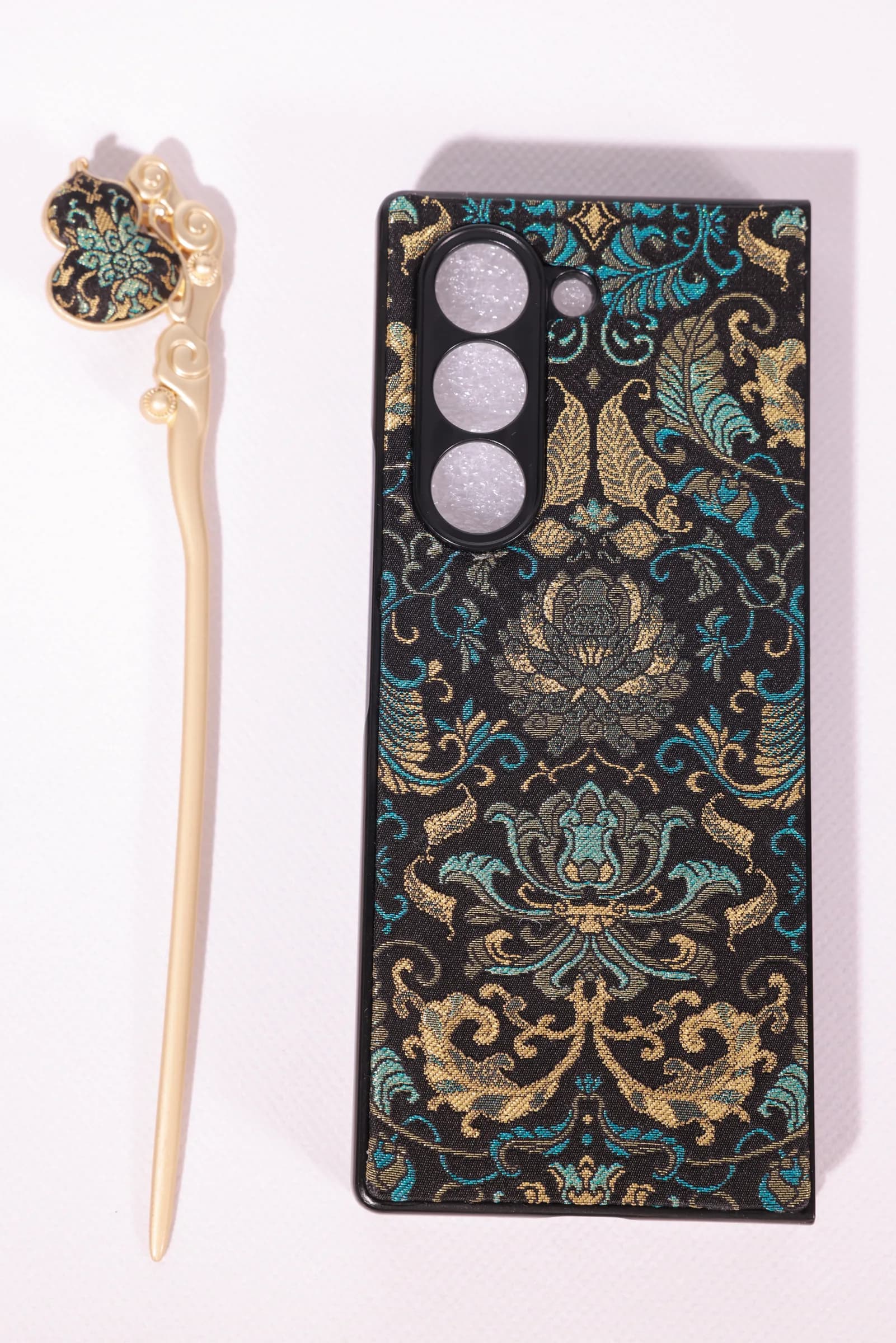
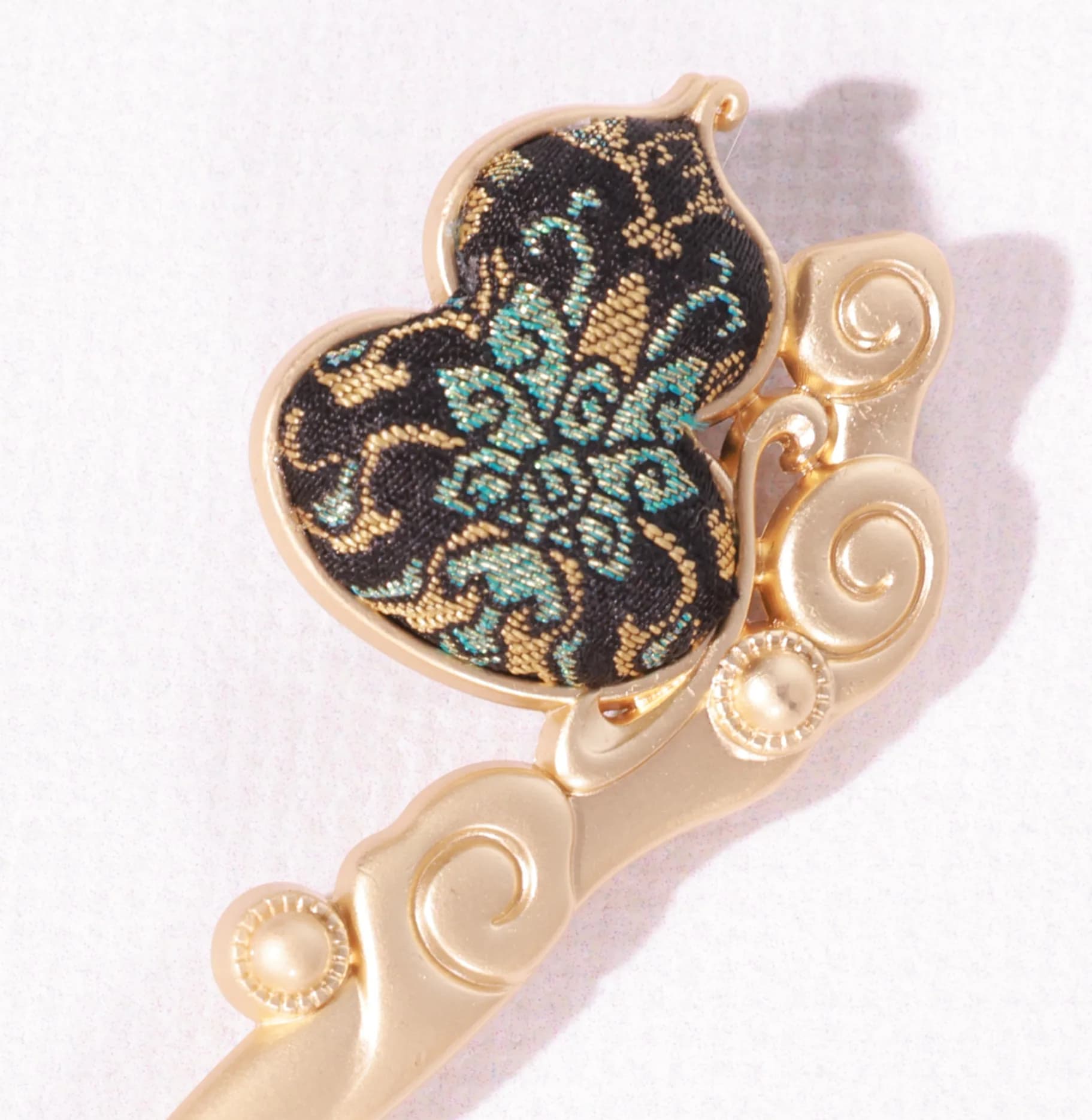
- Inspired by Chinese intangible heritage weaving and Silk Road ornament.
- Hand-finished surface made in small batches for visual consistency.
- Designed to match charms, bags and gift sets from the same pattern family.