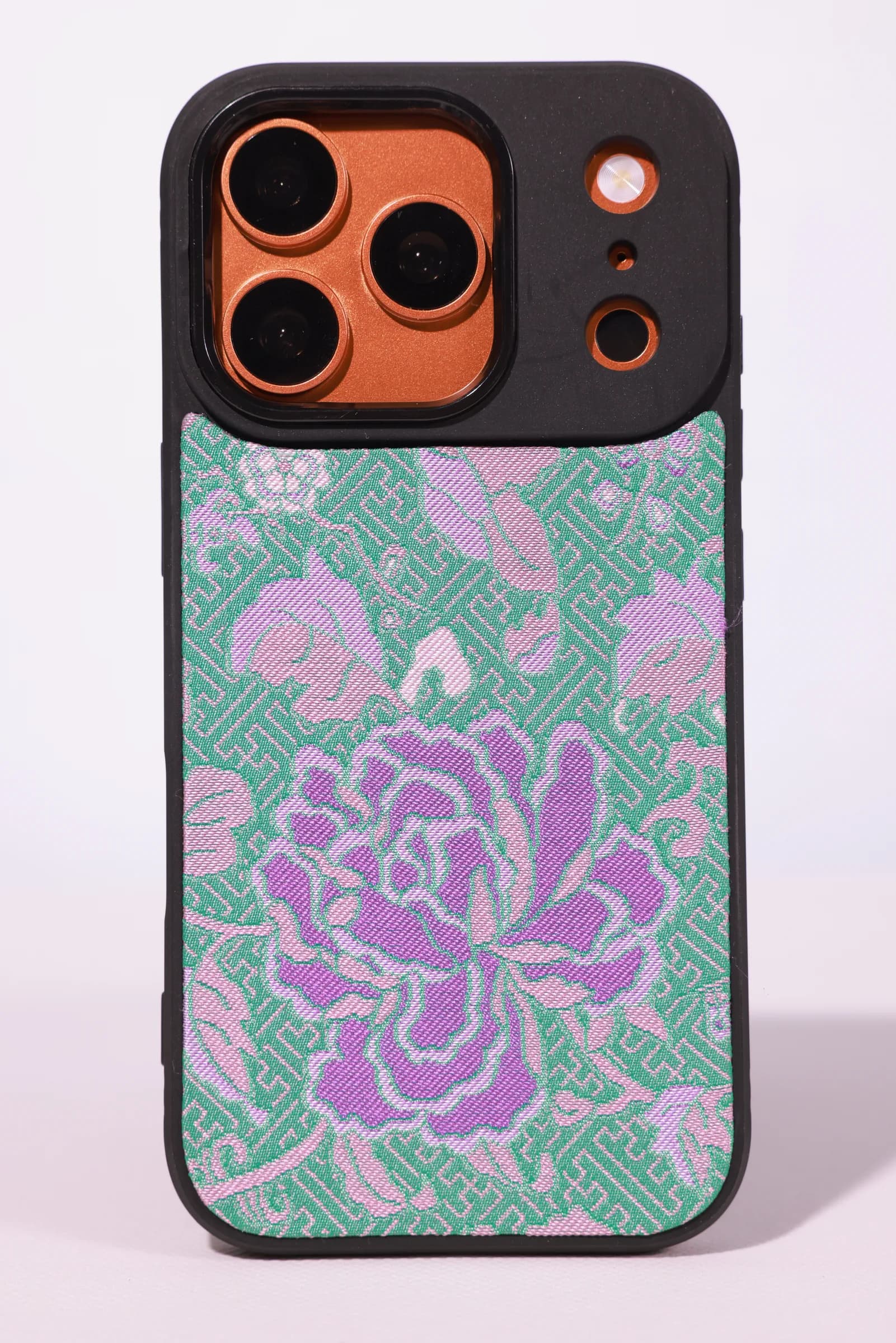
The Silhouette
Intangible Heritage Craft Points
Heritage textile details, finishing notes and limited-batch positioning for the luxury product template.
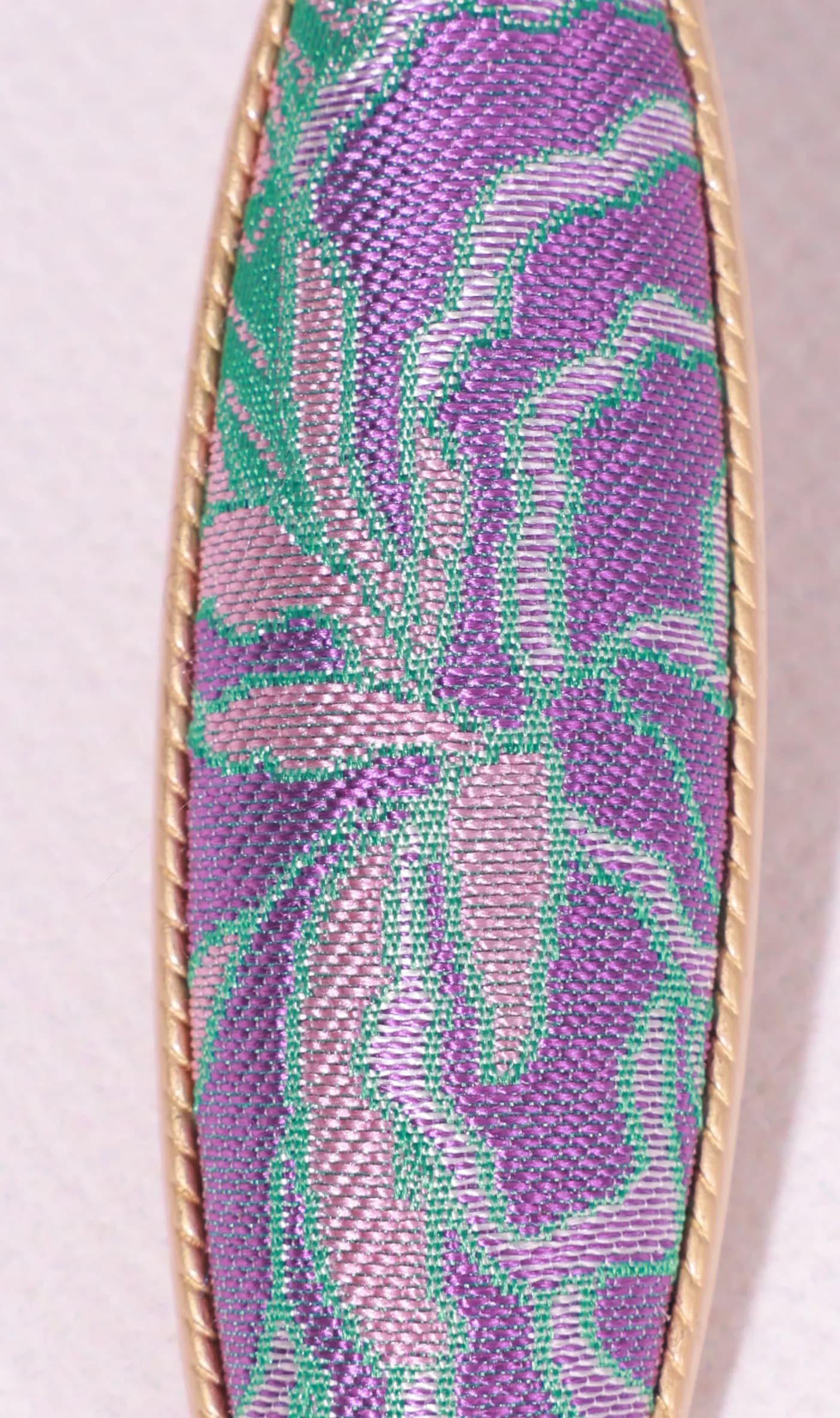
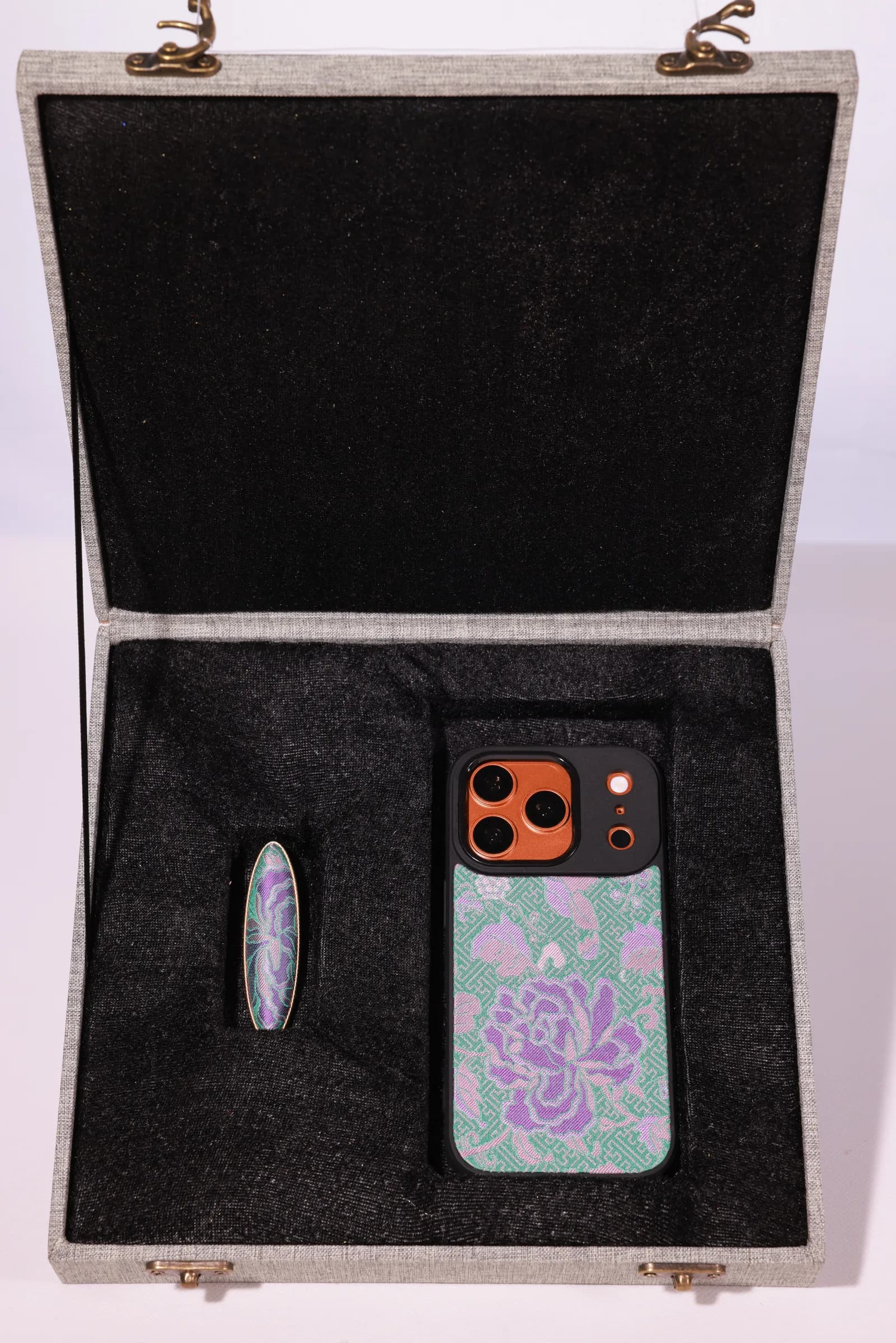
We have selected the same three-weave intangible cultural heritage Song brocade in regular script as a national gift. It is made of multi-layered natural mulberry silk mixed with grass green, nude pink, orchid and purple plant-dyed silk. It restores the classic Qing Dynasty pattern of a large peony in the middle with a swastika. The fresh grass green brocade base is covered with a continuous 10,000-word blessing and longevity pattern. A huge double-petaled peony blooms gracefully in the middle. The orchid and purple main petals are matched with soft pink auxiliary petals in soft contrast. The ancient three-weft hand-made jacquard creates a thick three-dimensional fabric texture. The fabric texture is full and delicate, which is far better than the cheap printed fabric shells on the market. The all-inclusive TPU soft shell is 1:1 accurately modeled on the real phone, and the lens ring is heightened to fully protect against bumps; the natural silk brocade surface is skin-friendly and breathable, oil-resistant and fingerprint-resistant, making it dry and non-sticky to hold in all seasons. The word "ten thousand" means long life and good health, and the peony symbolizes blooming wealth and success. In ancient times, this kind of triple-weave peony brocade was mostly used in palace birthday dresses, ladies' dressing boxes, and wedding gift packaging. It is elegant and noble for personal use, and it symbolizes wealth and longevity.
Shangjiu Kai inherits the complete set of Song brocade ancient techniques from Suzhou Weaving House in the Ming and Qing dynasties. The brocade material has been used as a national gift fabric for foreign affairs all year round. The triple weft brocade is an ancient high-grade tribute brocade. The ten thousand-character peony pattern was popular in the Kangxi and Qianlong palaces and was used as a royal pattern for birthdays and weddings. The swastika pattern is derived from the traditional symbol of longevity and longevity, and its continuous pattern represents continuous blessings; peonies rank first in traditional wealth, and the shape of the single flower in the center means dominance and wealth. The Ministry of Internal Affairs of the Qing Dynasty regularly woven triple weft brocades of green background and purple peonies for royal awards. The craftsmen relied on the ancient brocade fragments collected in the Suzhou Silk Museum to restore the fresh green color, and adhered to the ancient three-weft weaving method. The entire brocade has gone through more than 20 processes including reeling and dyeing, natural dyeing of vegetation, cross-stitching, and triple weft weaving. The triple weft consumes three times the amount of silk as ordinary Song brocade. The old-fashioned wooden machine can only weave 2 to 3 centimeters of fabric in a single day. The materials used are fresh and contrasting, and the fabrics are scarce in mass production.
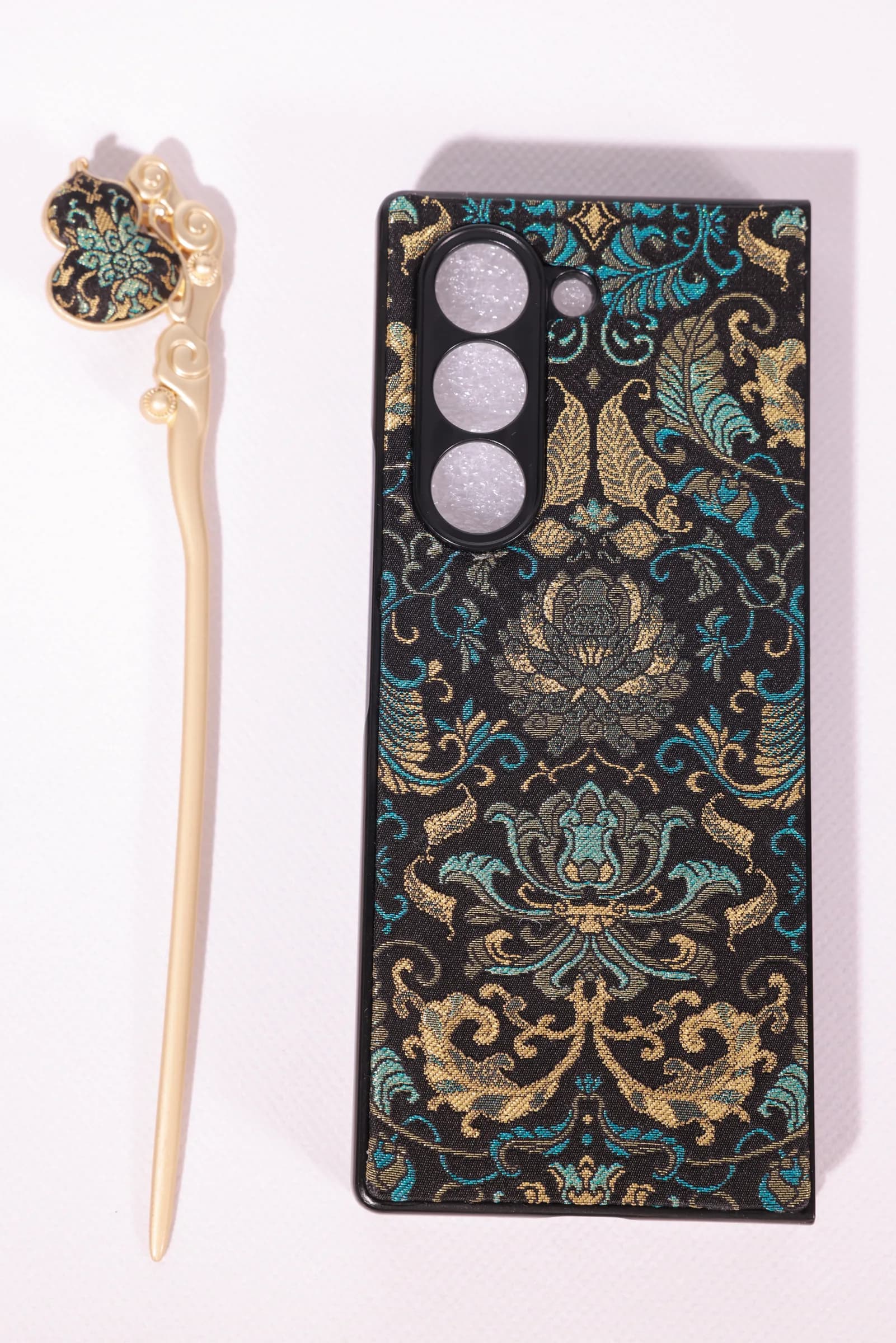
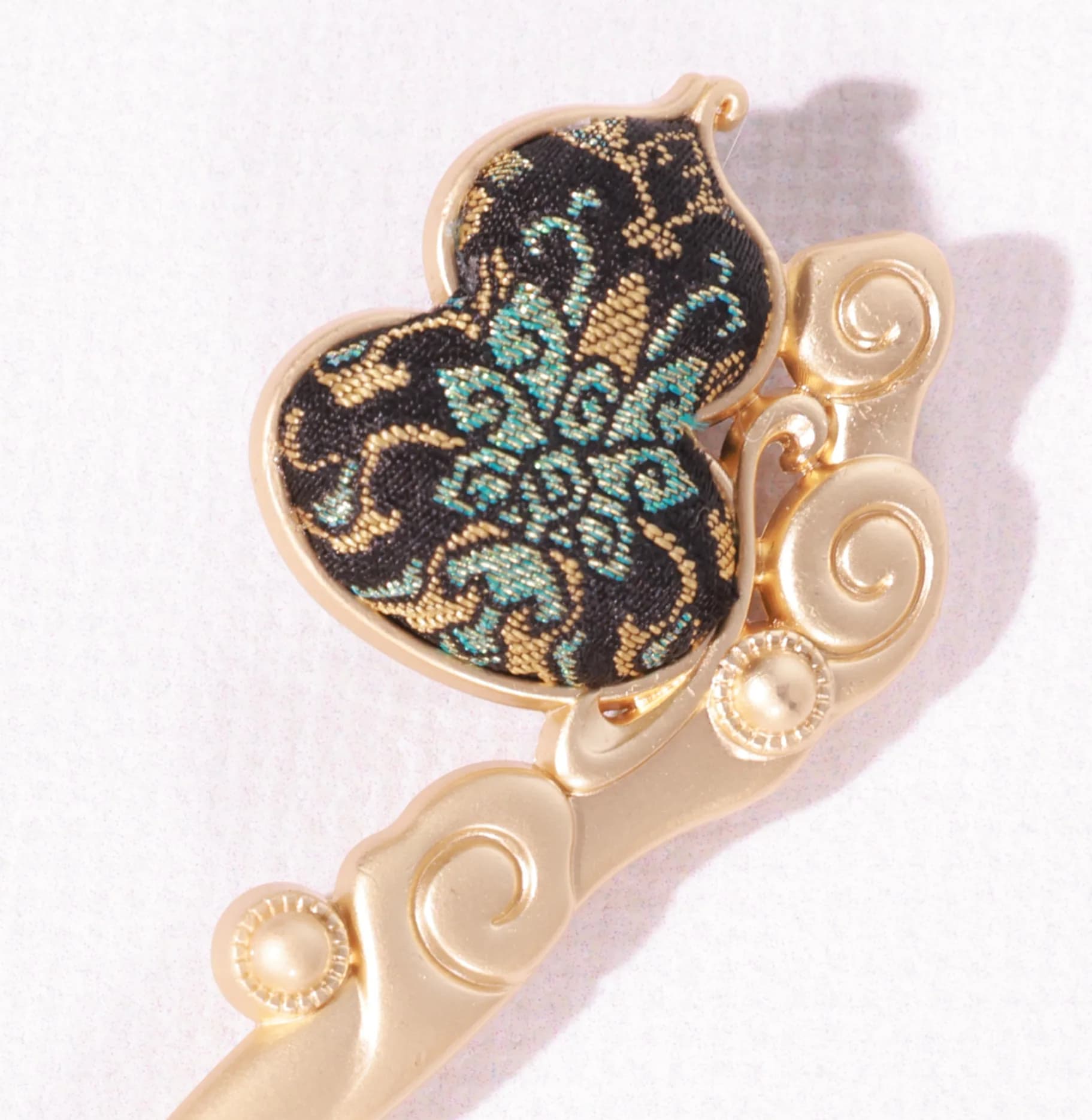
- Inspired by Chinese intangible heritage weaving and Silk Road ornament.
- Hand-finished surface made in small batches for visual consistency.
- Designed to match charms, bags and gift sets from the same pattern family.