The Silhouette
Intangible Heritage Craft Points
Heritage textile details, finishing notes and limited-batch positioning for the luxury product template.
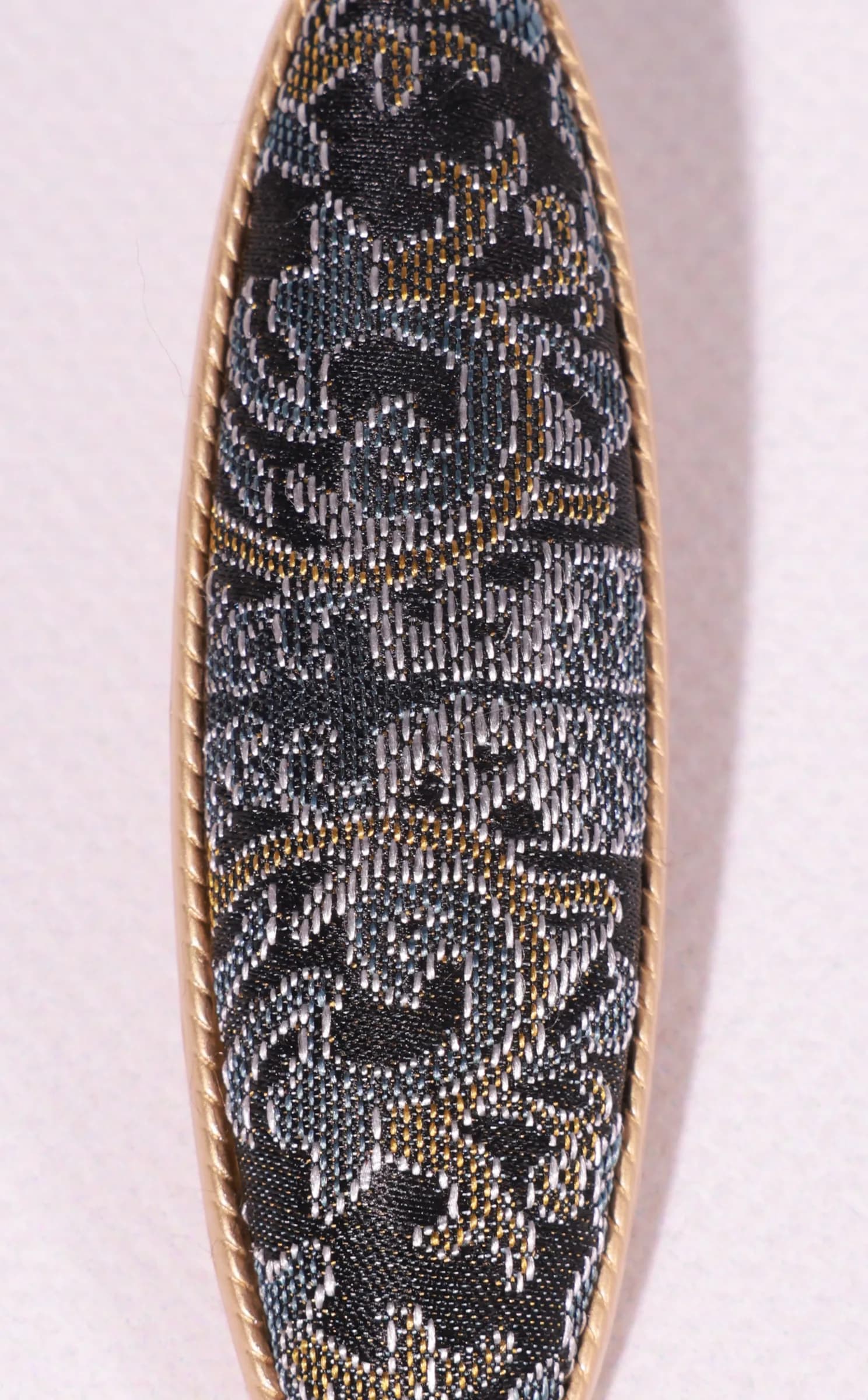
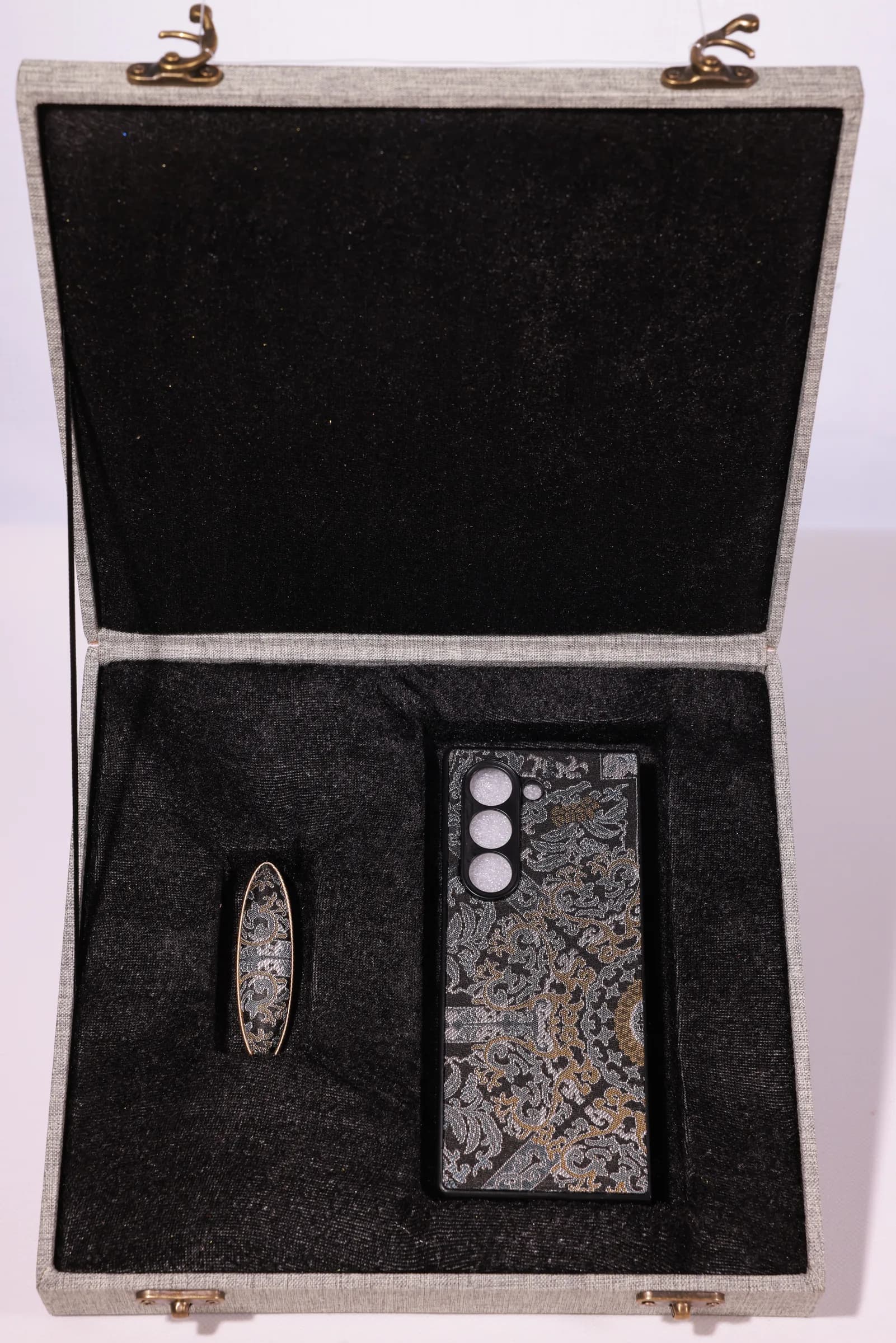
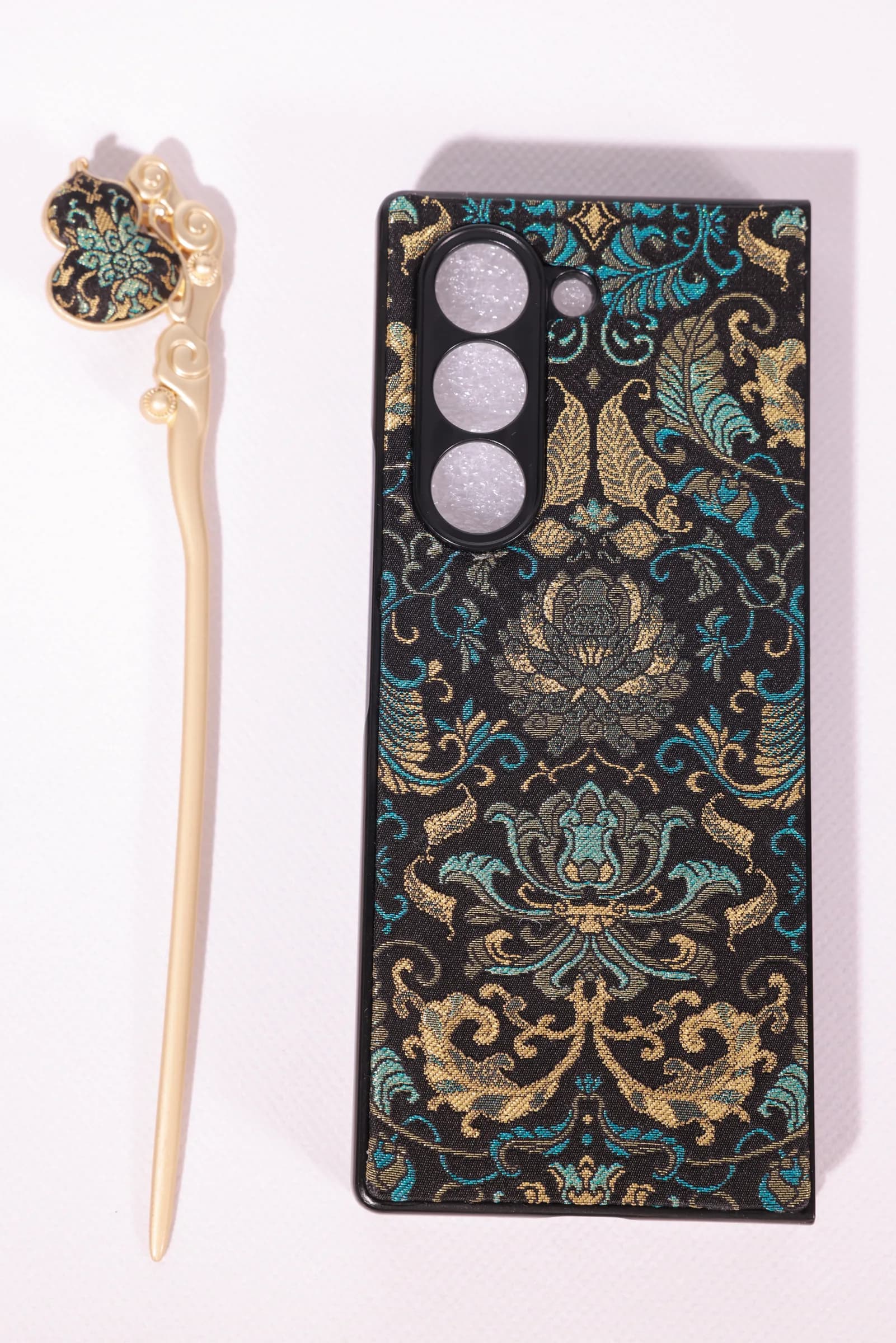
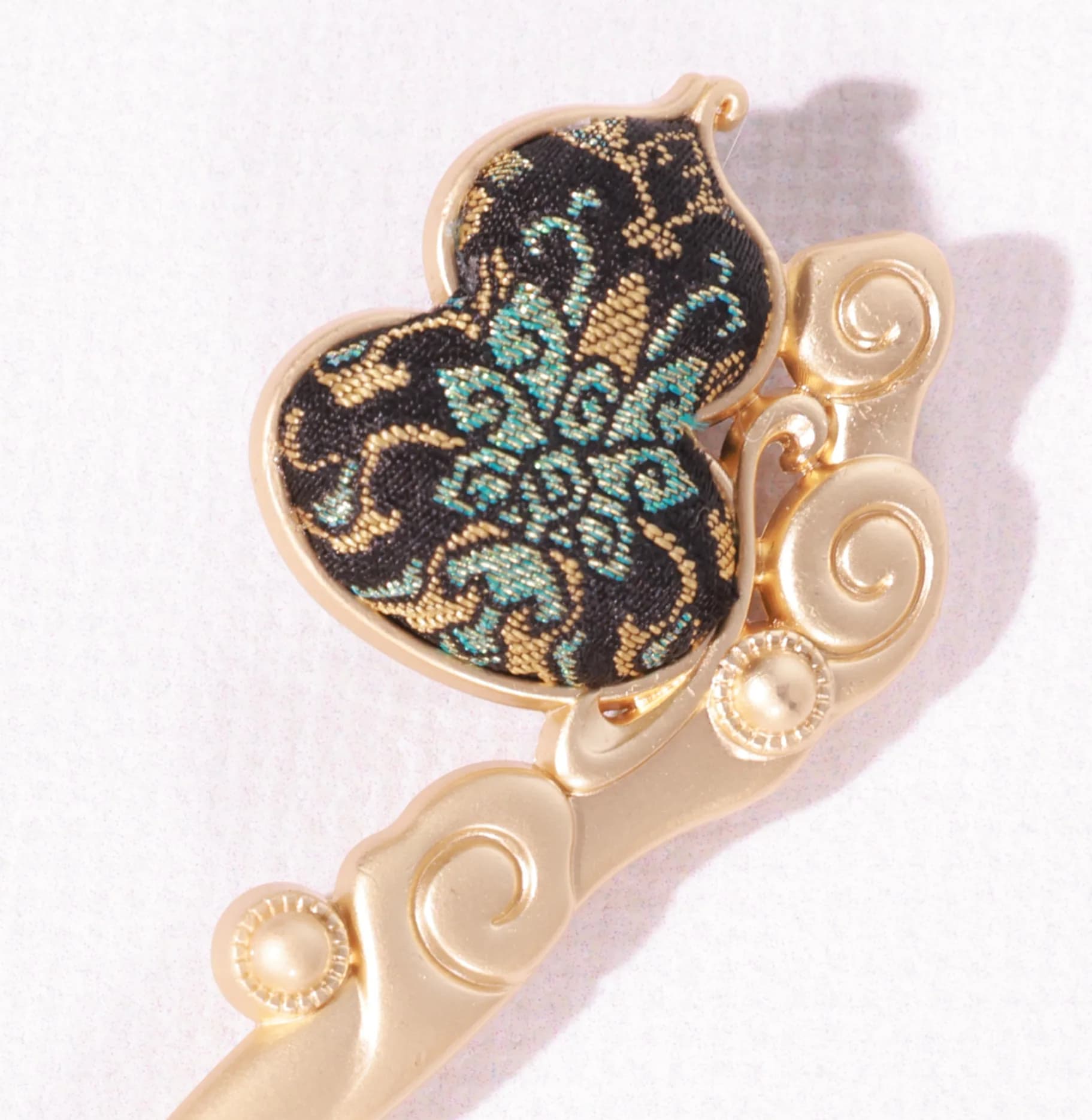
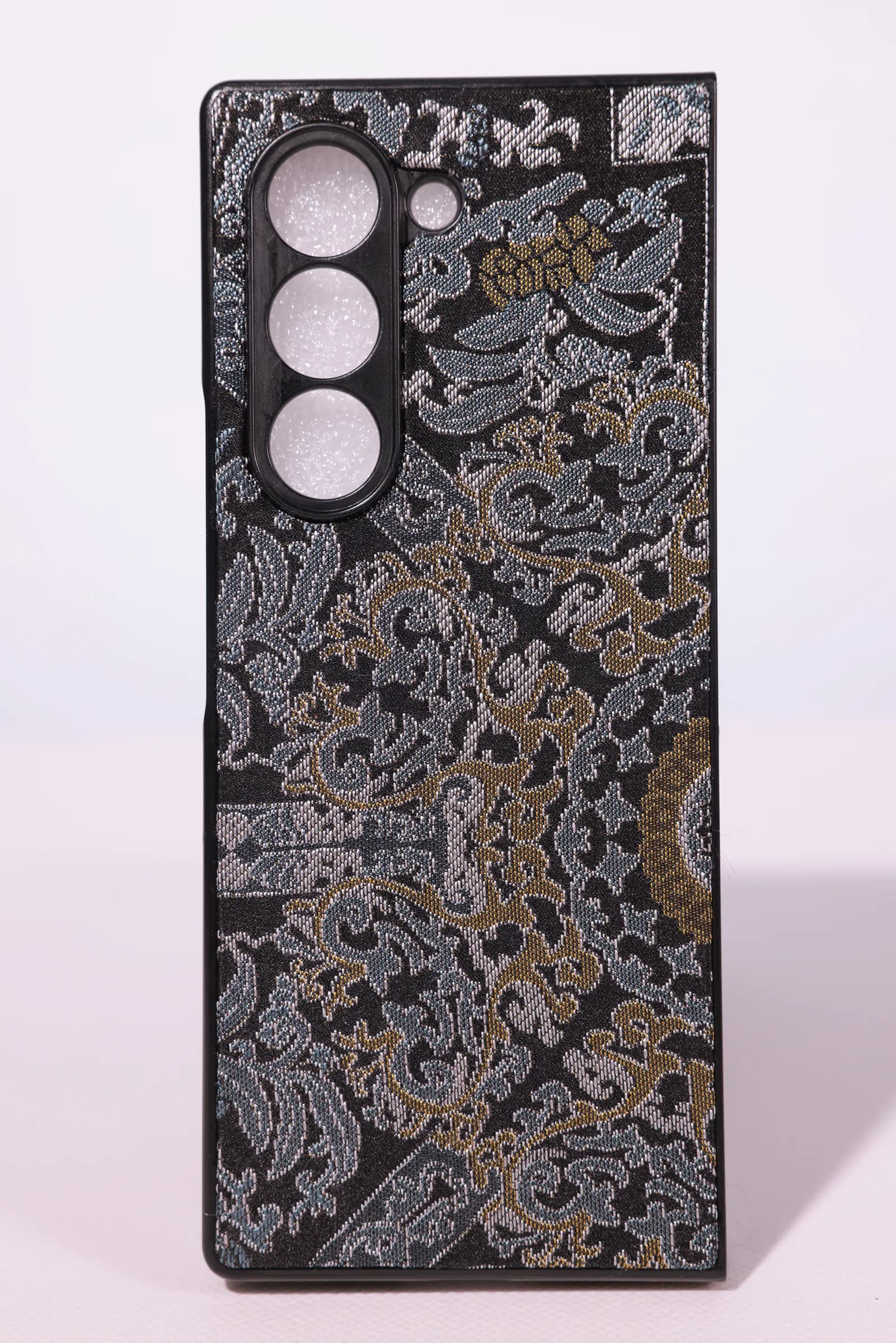
The selected intangible Song Dynasty brocade with three layers of the same style as the national gift has been selected. It is made of multiple layers of natural mulberry silk mixed with matte silver green and bronze gilt colored silk. It restores the classic eight-pointed halo, entwined branches and precious interlocking patterns of the Song and Yuan palaces. Matte pure black brocade bottom, regular eight-dimensional geometric frame, continuous and intertwined, tangled flowers and leaves winding gracefully along the frame, silver green and gilt silk thread staggered jacquard, ancient triple weft hand-woven to create a thick relief fabric texture, the fabric texture is full and three-dimensional, far better than the cheap hot stamping printed phone cases on the market. The all-inclusive TPU soft shell is 1:1 accurately modeled on the real phone, and the lens ring is raised to cushion all bumps and bumps; the natural silk brocade surface is breathable and heat-dissipating, resistant to oil and stains, and does not easily stick to fingerprints, making it dry and non-sticky to hold in all seasons. In ancient times, the Bada halo was called the Eight Directions Access Pattern, which means that it extends in all directions, has a prosperous career, and has abundant financial resources. The wrapped branches symbolize perfect wealth and long-term good fortune. During the Song and Yuan Dynasties, the Bada halo was a royal tribute and was mostly used for courtiers' dresses, treasure brocade boxes, and diplomatic gifts.
Shangjiu Kai inherits all the ancient techniques of Song brocade from Suzhou Weaving House in the Ming and Qing Dynasties. The brocade has been used as a national gift fabric for national foreign affairs all year round; the triple weft brocade is a high-end limited brocade material in ancient times. The eight-point halo pattern was created in the Song Dynasty and is the iconic classic pattern of Song brocade. It has been used as a tribute brocade for the palace throughout the Song, Yuan, Ming and Qing Dynasties. "Bada" means access to all directions. The ancients used the chain of Bada patterns to pray for a smooth official career and smooth business routes. In ancient times, only the royal family and high-ranking officials could use Bada brocade. The Song and Yuan Dynasty palaces set up a weaving bureau to specially customize dark-colored Bada tribute brocade for rewards. The craftsmen relied on the fragments of ancient brocade from the Song and Yuan Dynasties collected in the museum to restore the retro color scheme of silver and gold on a black background and retain the ancient triple weft weaving method. The entire brocade has gone through more than 20 processes including reeling, refining and dyeing, natural dyeing of vegetation, knotting, and triple weft weaving. The triple weft consumes three times the amount of silk as ordinary Song brocade. Old-fashioned handlooms can only weave 2 to 3 centimeters of fabric in a single day. The cost of dark gilt materials is high, and mass production of fabrics is scarce. We have condensed the thousand-year-old royal palace's embroidery into phone case fabrics.
- Inspired by Chinese intangible heritage weaving and Silk Road ornament.
- Hand-finished surface made in small batches for visual consistency.
- Designed to match charms, bags and gift sets from the same pattern family.