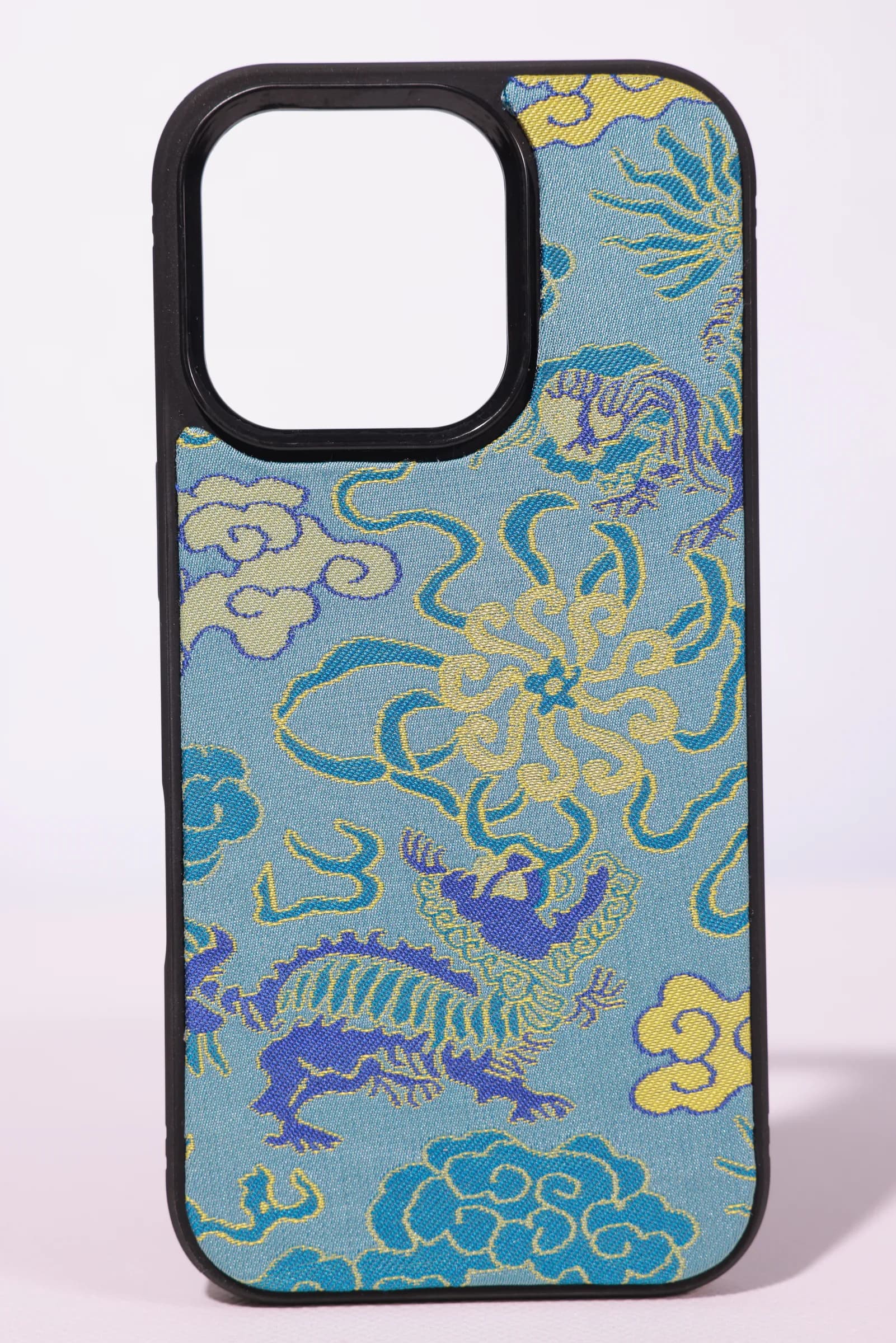
The Silhouette
Intangible Heritage Craft Points
Heritage textile details, finishing notes and limited-batch positioning for the luxury product template.
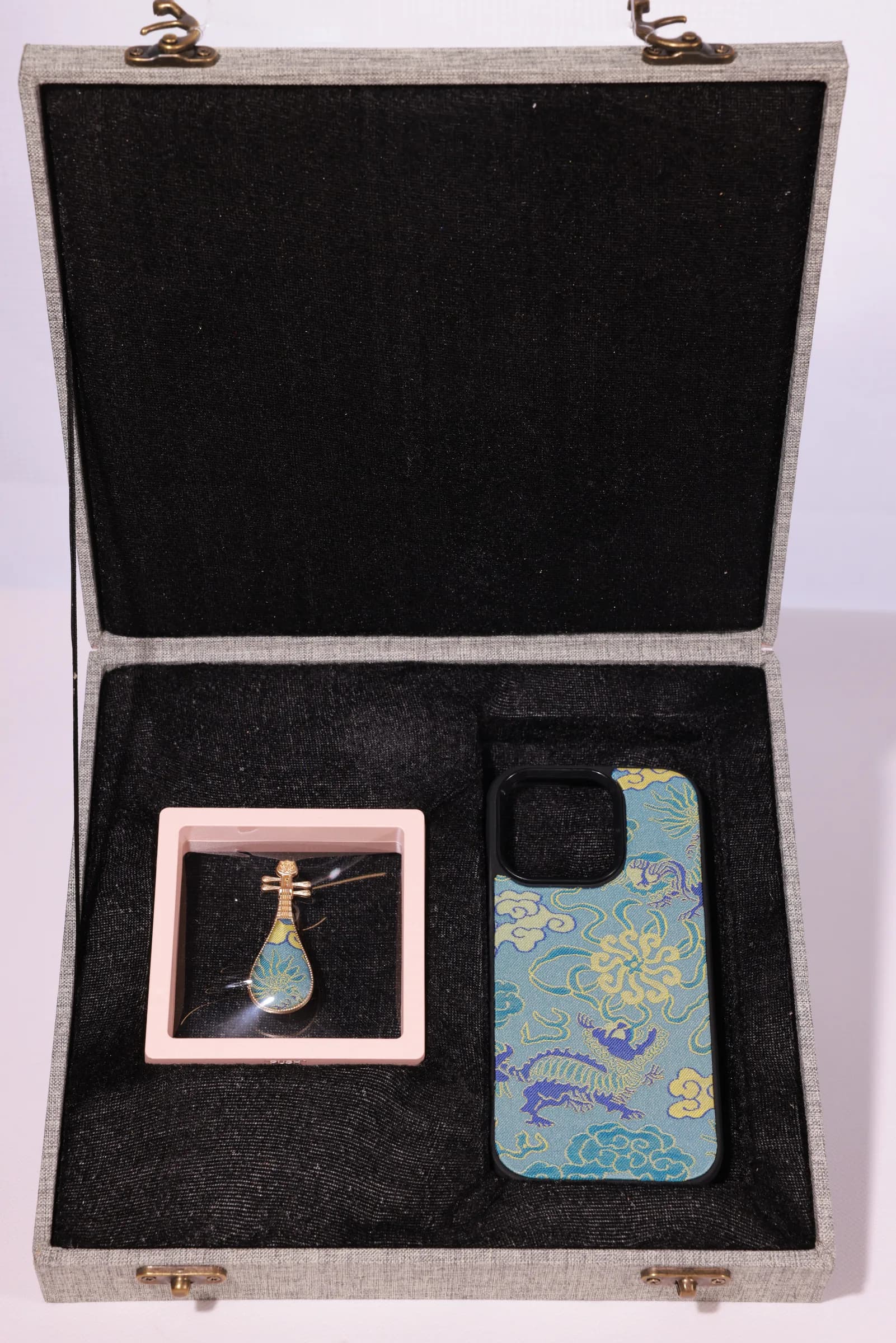
The selected four-layer intangible cultural heritage Song brocade of the same style as the national gift is selected. It is made of multiple layers of natural mulberry silk mixed with sapphire blue, gilt and light yellow colored silk to restore the traditional folk classic lion dance, rolling embroidery ball and auspicious cloud pattern. The base of the elegant azure brocade is surrounded by auspicious clouds. The two auspicious lions flexibly shuttle between the flowers and play with the hydrangea in the center. The contrasting blue and gold colors are elegant and elegant. The ancient four-weft hand-jacquard creates a thick three-dimensional fabric texture. The fabric has a full texture, which is far better than the cheap hot stamping printed phone cases on the market. The all-inclusive TPU soft shell is 1:1 accurately modeled on the real phone, and the lens ring is raised to cushion all bumps and bumps; the natural silk brocade surface is skin-friendly and breathable, oil-resistant and fingerprint-resistant, making it dry and non-sticky to hold in all seasons. The lion dance means to ward off evil spirits and bring good fortune, and everything will be prosperous. The hydrangea symbolizes perfect reunion and rolling wealth. The auspicious clouds represent steady progress and ever-lasting good fortune. In ancient times, lion dance brocades were mostly used for court annual gifts, folk wedding gifts, and opening ceremony gift box wraps. They are used to bring good luck and wealth for personal use. Giving gifts means that the family is healthy and everything goes smoothly.
Shangjiu Kai inherits the full set of Song brocade ancient techniques from Suzhou Weaving House in the Ming and Qing Dynasties. Brocade has been used as a national gift fabric for foreign affairs all year round; four-fold weft brocade is a high-end limited brocade material in ancient times. The lion dance and rolling hydrangea pattern flourished in the Ming and Qing courts and folk customs. Lion dance originated in the Han and Tang Dynasties and is the most auspicious folk pattern in Chinese tradition. The ancients believed that auspicious lions can ward off evil spirits and attract wealth, and hydrangea symbolizes wealth and prosperity. During the New Year, weddings, and business openings, everyone from the palace to the private sector prefers to use lion pattern fabrics. In the Qing Dynasty, Suzhou Weaving specialized in weaving azure gilded four-weave lion pattern tribute brocade for royal New Year awards. The entire brocade has gone through more than 20 processes including reeling and dyeing, natural dyeing of vegetation, cross-stitching, and layered weaving of triple wefts. The amount of silk consumed by the four wefts is three times that of ordinary Song brocade. The old-fashioned wooden machine can only weave 2 to 3 centimeters of fabric in a single day. The cost of materials for gilding and color matching is high, and mass production of fabrics is scarce. The designer restored the azure color scheme of the Qing Dynasty, and we condensed the auspicious splendor of traditional festivals into a square-inch case.
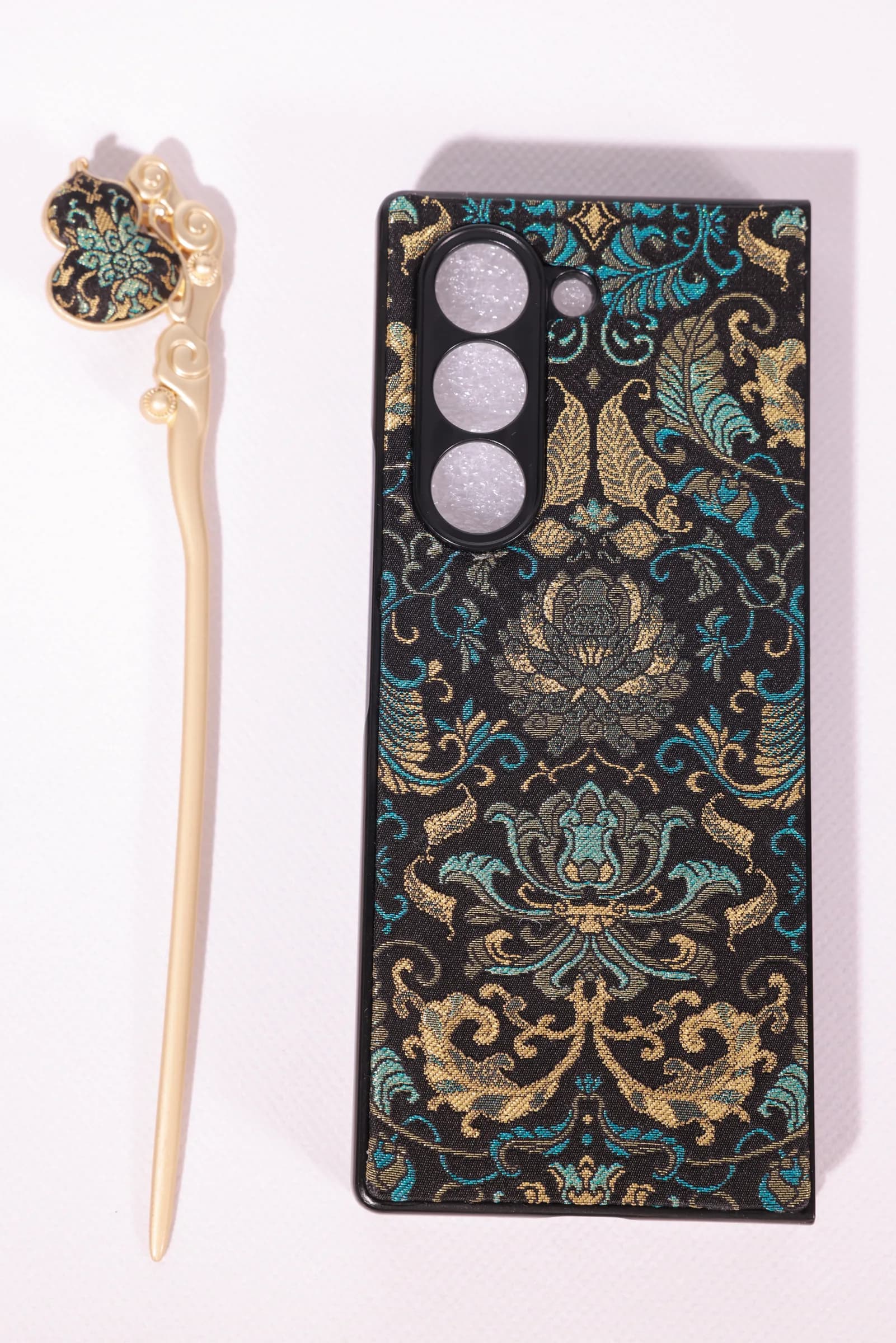
- Inspired by Chinese intangible heritage weaving and Silk Road ornament.
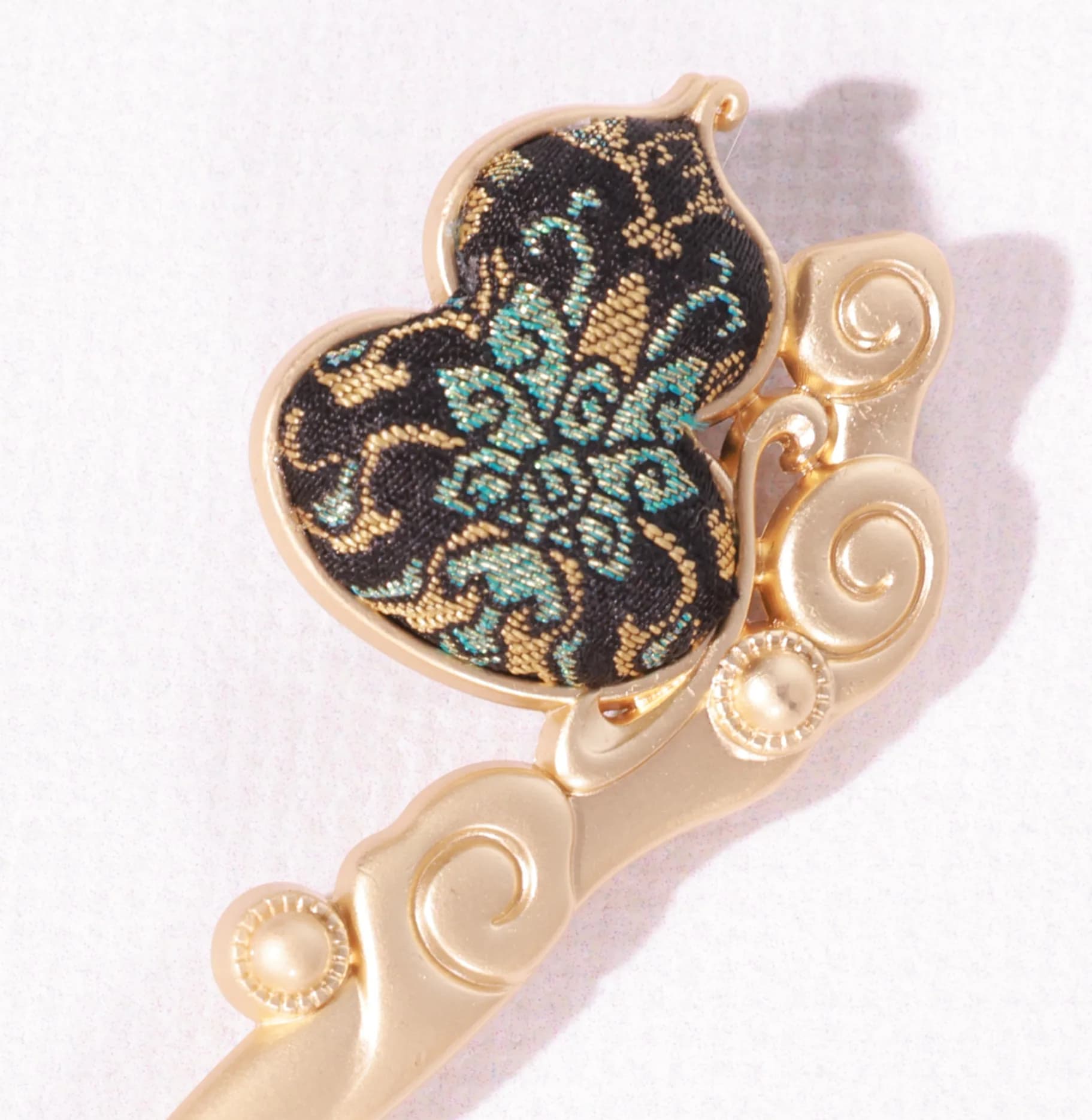
- Hand-finished surface made in small batches for visual consistency.
- Designed to match charms, bags and gift sets from the same pattern family.