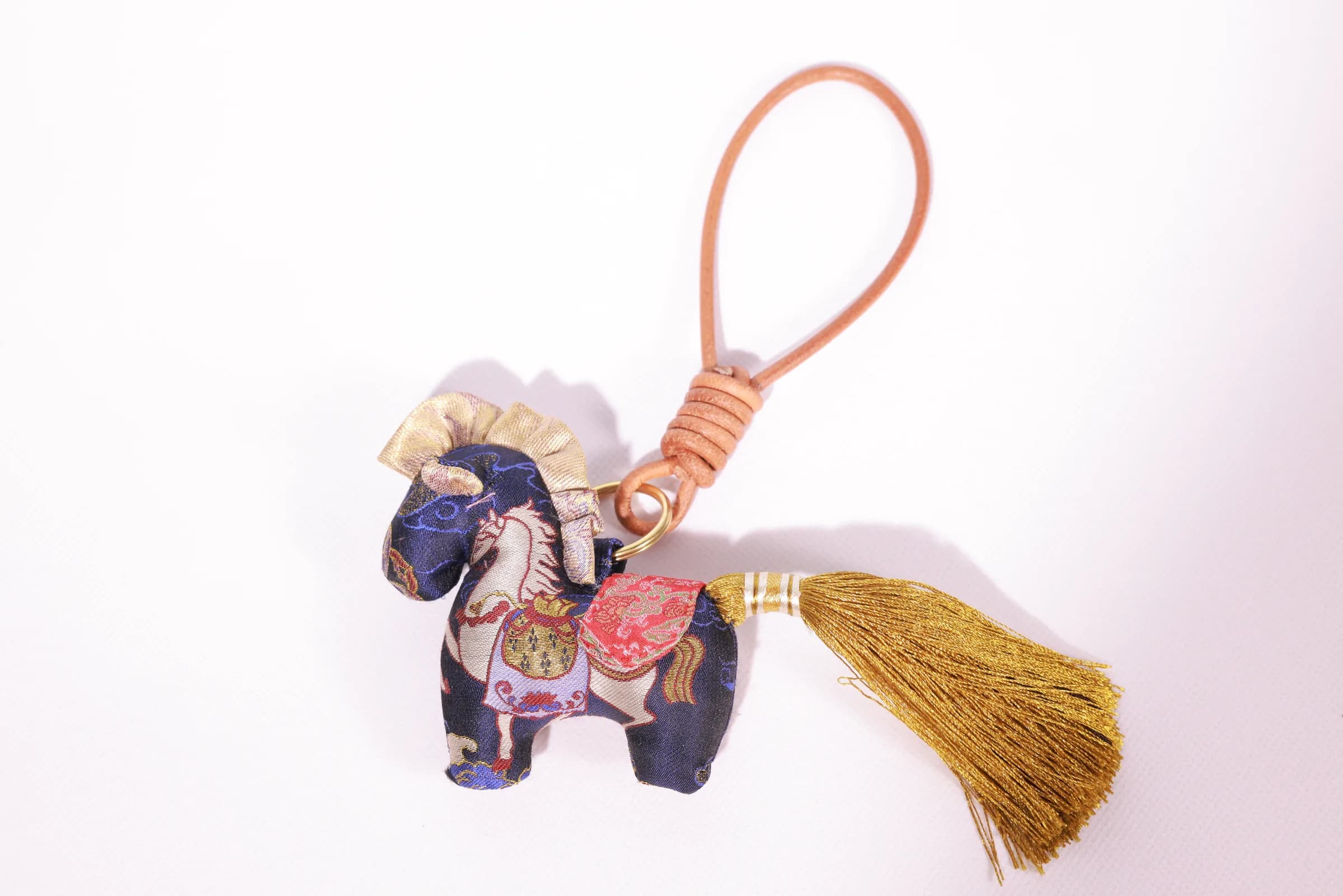
The Silhouette
Intangible Heritage Craft Points
Heritage textile details, finishing notes and limited-batch positioning for the luxury product template.
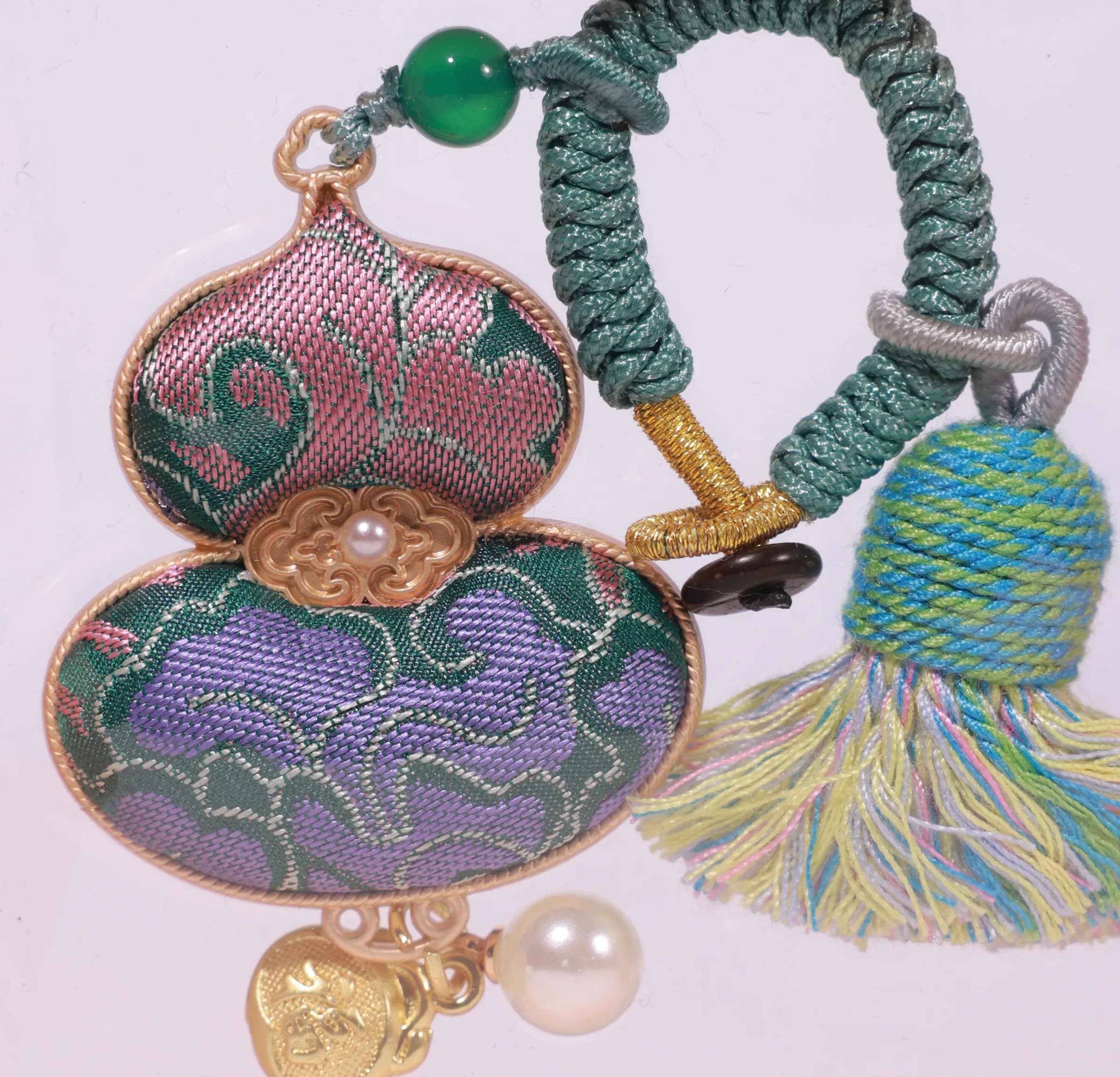
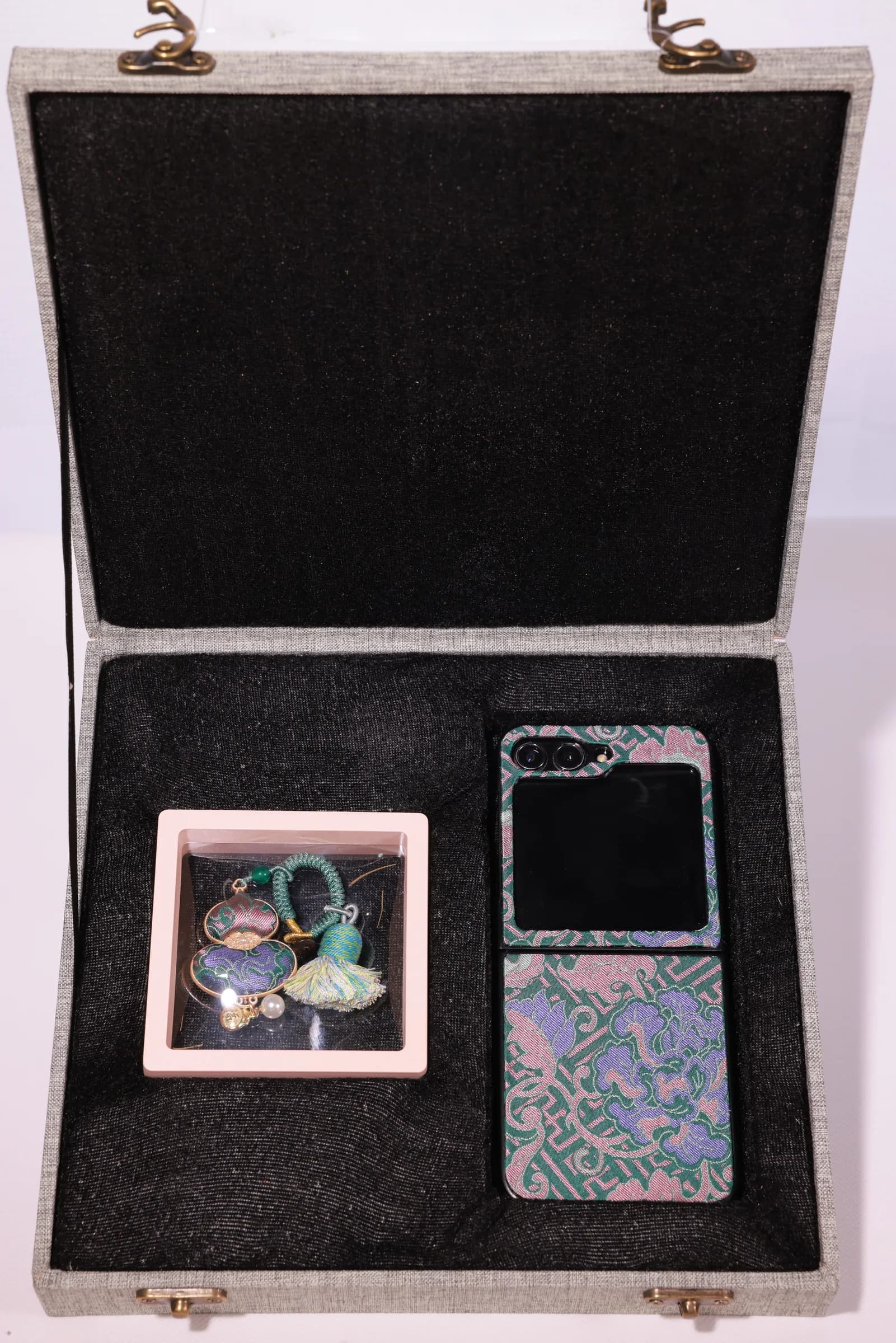
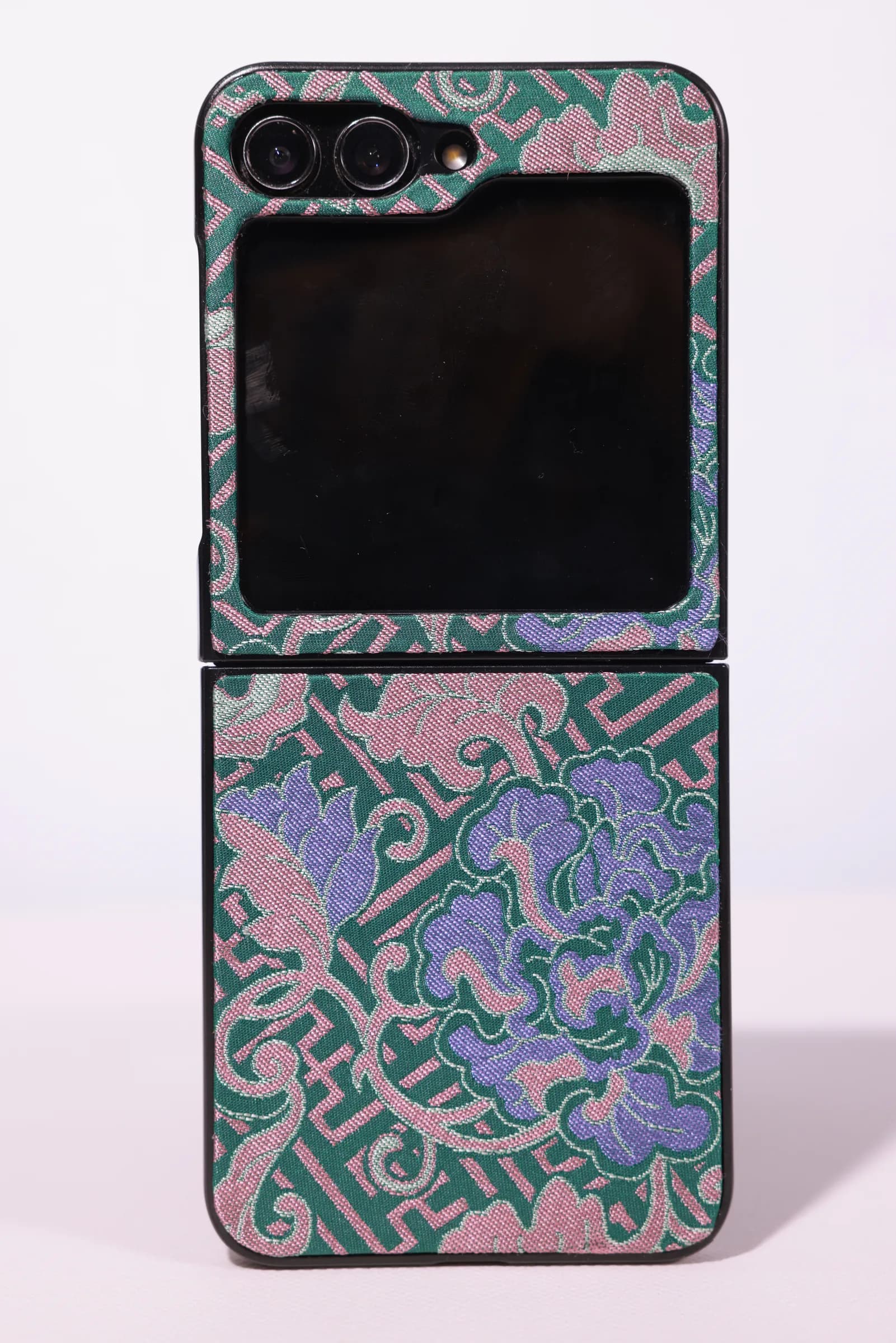
Intangible cultural heritage craftsman Li Dexi was selected to hand-restore ancient Song brocade fabrics, and natural mulberry silk was mixed with dark green, blush pink, orchid and purple plant-dyed silk, and restored the classic Qing Dynasty palace pattern of ten thousand words and longevity intertwined with branches and rich peonies. The retro dark green brocade base is covered with a continuous ten thousand-character pattern, which means longevity and longevity. Large peonies with winding branches are spread all over the cloth. The orchid purple petals are elegantly matched with rouge leaves. The ancient hand-made jacquard creates a thick relief fabric texture, which is far superior to the cheap printed folding shells on the market. PC+TPU composite foldable special case, with reserved space for hinges, no top cover when opening and closing, and no creases left; natural silk brocade surface is breathable, heat-dissipating, sweat-resistant and fingerprint-resistant, making it dry to hold in all seasons. Ten thousand words = long life, good fortune and good health, peony = full of wealth and family, continuous branches = endless blessings and fortune. In ancient times, the longevity peony Song brocade was specially used for royal birthday banquets, wedding gifts for ladies, and palace rewards. It was for personal use to bring good fortune to dignitaries. Giving gifts means good fortune and longevity, and wealth is always with you.
Li Dexi has been deeply engaged in Song brocade weaving in Suzhou for decades. He is a representative craftsman of Song brocade that is an intangible cultural heritage. He has been researching and restoring the lost ancient brocade patterns of the Qing Dynasty for many years. The longevity peony pattern flourished in the Kangxi and Qianlong palaces and was the first royal auspicious pattern for birthday celebrations in the Qing Dynasty. The word "ten thousand" is taken from the traditional auspicious symbol of longevity. The continuous symbol represents longevity and good health; peonies have been a flower of wealth since ancient times, and the entwining branches mean that wealth is passed down from generation to generation. During royal birthdays, canonization ceremonies, and princes' weddings, the Ministry of Internal Affairs will definitely order this longevity peony tribute brocade to be woven. The craftsmen compared the Qing Dynasty brocade fragments in the Suzhou Silk Museum's collection, restored the dark green, purple and pink retro color scheme, and adhered to the ancient method of hand-weaving Song brocade. The entire brocade has gone through more than 20 processes including silk reeling and dyeing, natural dyeing of vegetation, cross-stitching, and segmented shuttle weaving on an old-fashioned wooden machine. The symmetrical wrapping of branches and the swastika pattern are cumbersome and consume a lot of silk. The old-fashioned loom can only weave a few centimeters of fabric in a single day, and retro contrasting color fabrics are scarce in mass production.
- Inspired by Chinese intangible heritage weaving and Silk Road ornament.
- Hand-finished surface made in small batches for visual consistency.
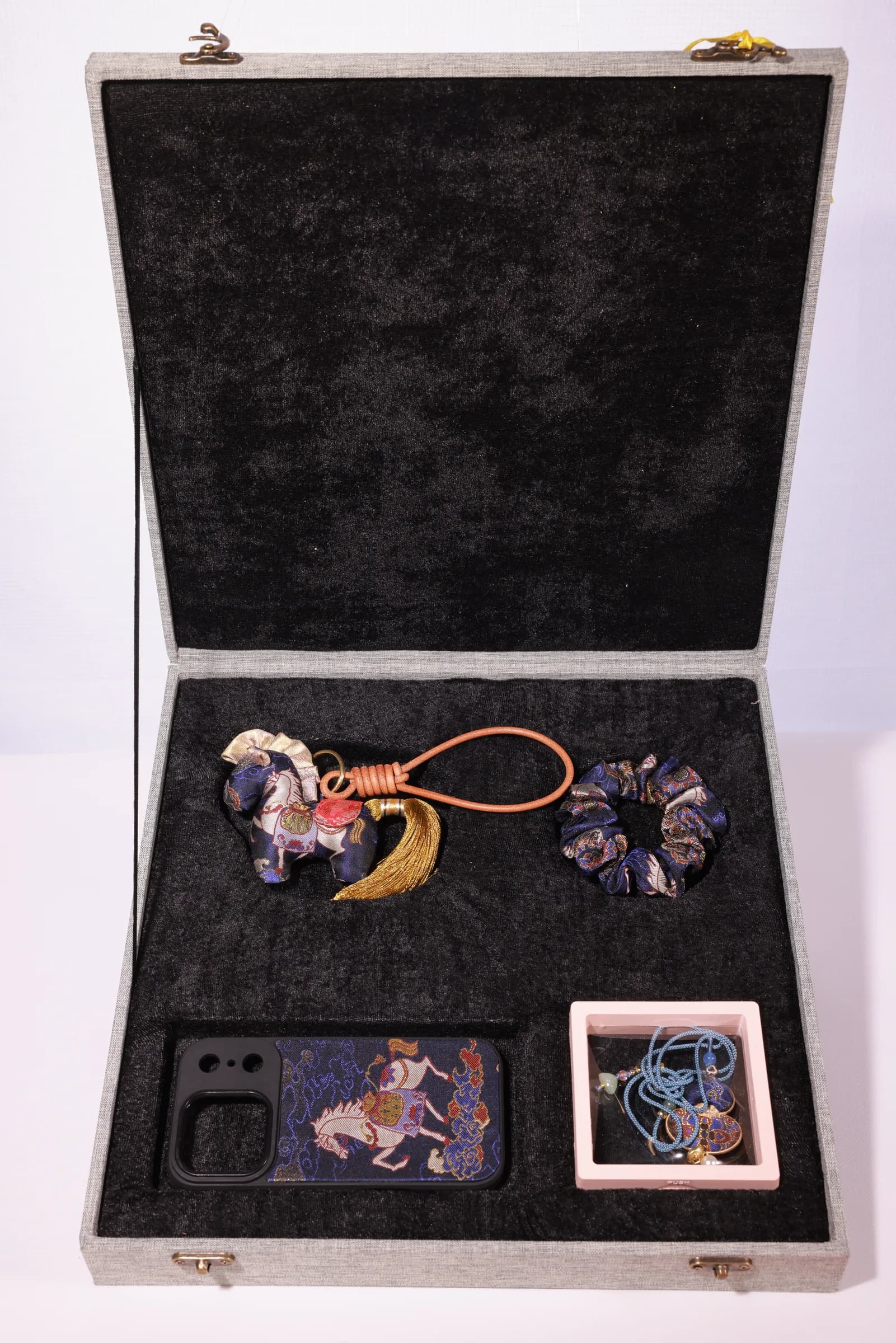
- Designed to match charms, bags and gift sets from the same pattern family.