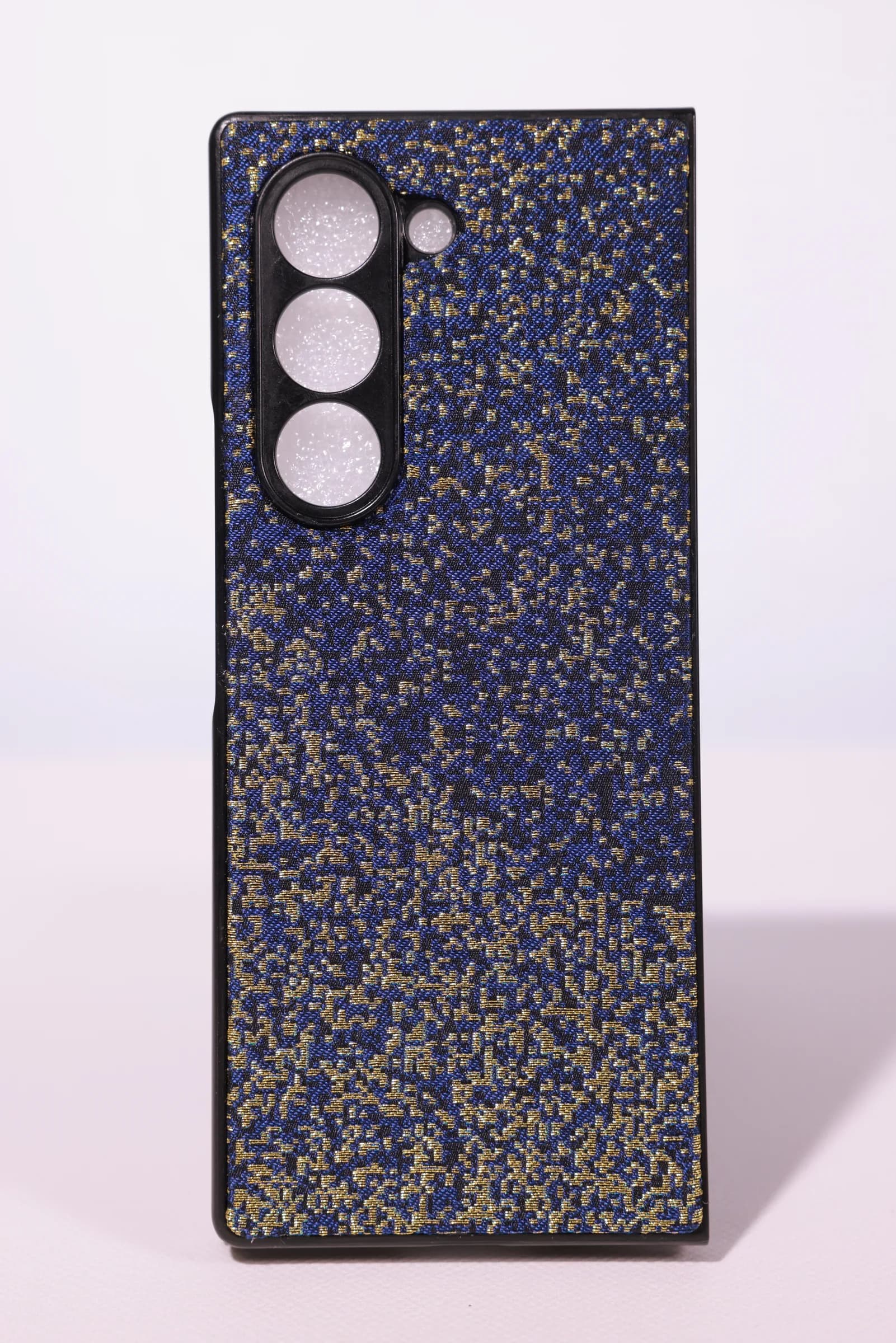
The Silhouette
Intangible Heritage Craft Points
Heritage textile details, finishing notes and limited-batch positioning for the luxury product template.
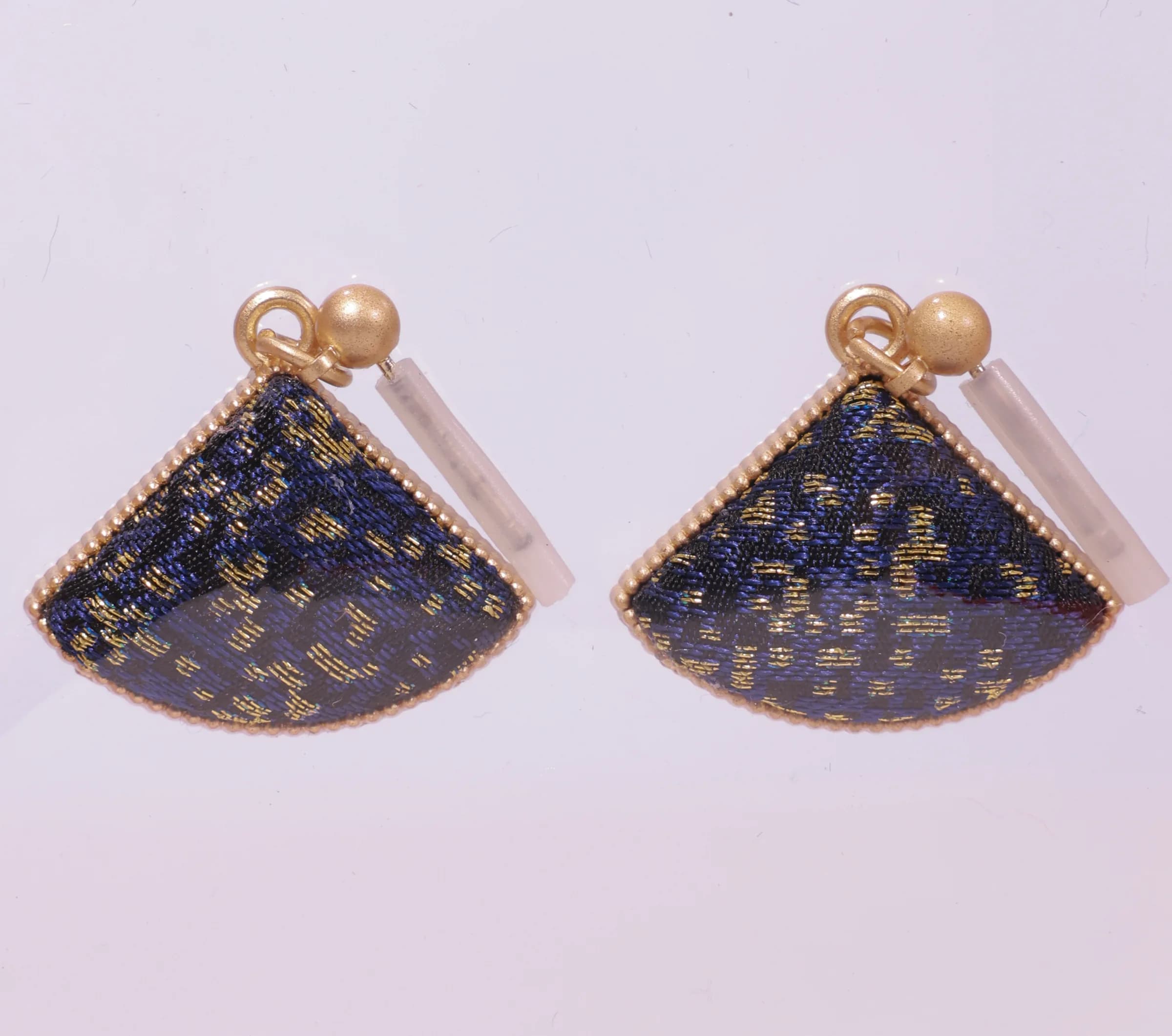
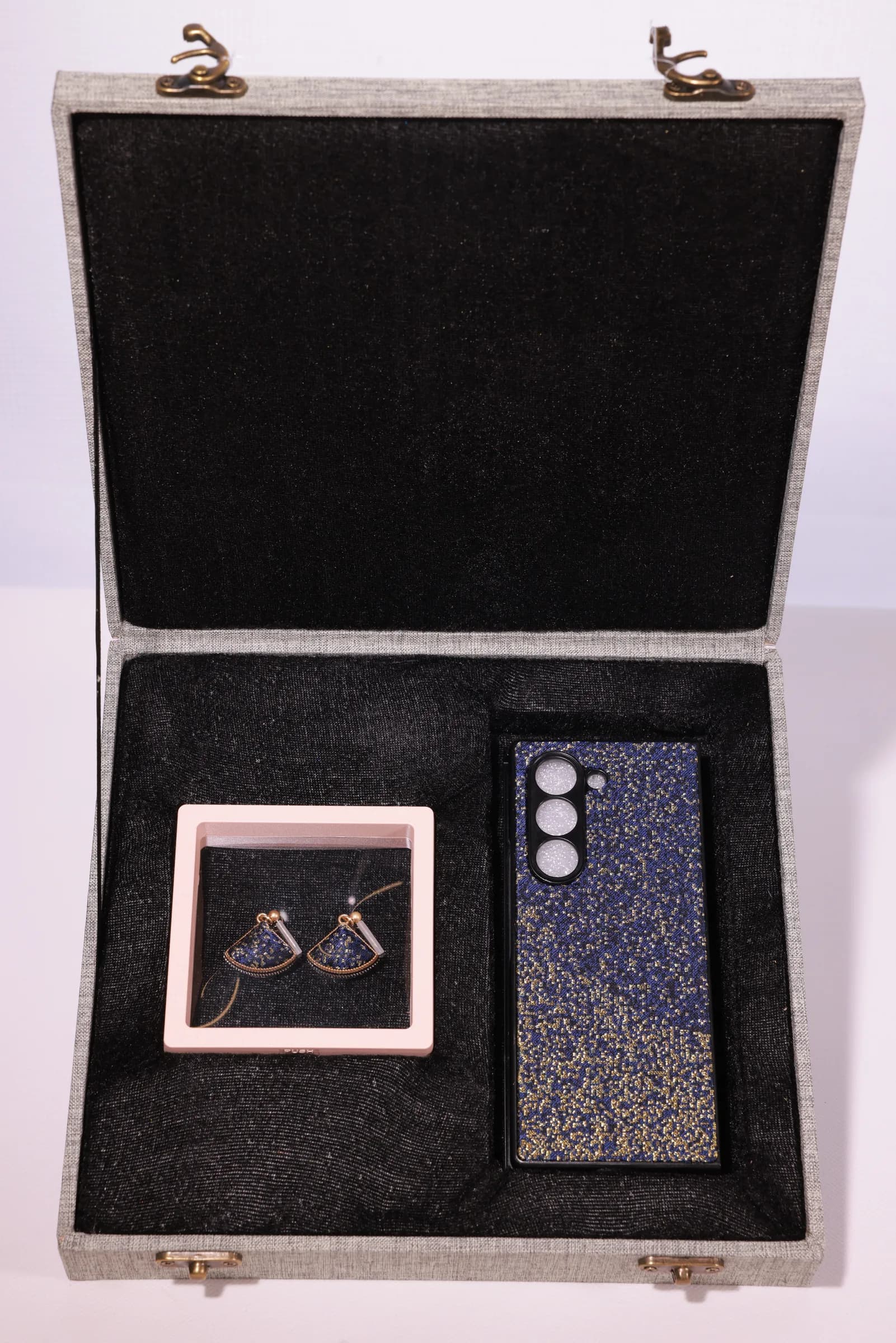
We have selected the same three-layer intangible cultural heritage Song brocade in regular script as a national gift. It combines natural multi-layered mulberry silk with ancient gilt silk and phantom blue mother-of-pearl silk thread. It is based on the original golden sand landforms of the Silk Road and the scattered gold pattern on the ground. On the dazzling blue brocade base of the deep silk road, the gilt threads are naturally dispersed and scattered, just like the golden sands of the desert scattered on the brocade surface. The mother-of-pearl filaments are hidden in the blue background. The dark light is low-key and calm, and the strong light refracts the blue-purple gradient pearl. The triple weft is hand-woven to form a thick relief fabric texture. The texture is far superior to the cheap hot stamping and printed phone cases on the market. The all-inclusive TPU soft shell is accurately molded on the real machine, and the lens ring is raised to cushion all bumps. The natural silk brocade surface is breathable and heat-dissipating, resistant to oil and stains, and does not easily stick to fingerprints. It is dry and non-sticky to hold in all seasons. Since ancient times, blue and gold have symbolized rising clouds and a house full of gold and jade, while the silk road pattern symbolizes access to all directions and abundant wealth. In ancient times, this kind of mother-of-pearl gold brocade was sent to the palace along the Silk Road and was only used by the royal family.
Shangjiukai completely inherits the ancient techniques of Song brocade weaving in Suzhou during the Ming and Qing Dynasties, and is a benchmark enterprise for Song brocade that is an intangible cultural heritage. The brocade is selected as a national gift for foreign affairs at the national level all year round. The triple weft mother-of-pearl gold brocade originated from the Silk Road trade. Brocade technology was introduced from the Western Regions in the Han and Tang dynasties. Suzhou weaving in the Ming and Qing dynasties was improved and finalized, and it is a high-level tribute brocade material in ancient times. On the ancient Silk Road, mother-of-pearl and gold-weaving raw materials were transported to the Central Plains via business travelers from the Western Regions. The blue and gold colors were taken from the blue sky of the Gobi and the golden sands of the desert, which were a symbol of the wealth of Silk Road trade. In ancient times, mother-of-pearl was made from natural deep-sea shells. The processing was cumbersome and expensive, and only the palace could weave it in batches. The entire brocade has gone through more than 20 ancient processes including silk reeling and dyeing, natural dyeing of vegetation, knotting, and triple weft weaving. The triple weft thread consumes three times that of ordinary Song brocade. The old-fashioned handloom can only weave 2 to 3 centimeters of fabric in a single day. The double materials of gold and mother-of-pearl are superimposed, and the fabric is scarce in mass production. Inspired by the history of the Silk Road, the dazzling blue and gold color scheme is restored, condensing the beauty of the Silk Road for thousands of years into the square-inch case.
- Inspired by Chinese intangible heritage weaving and Silk Road ornament.
- Hand-finished surface made in small batches for visual consistency.
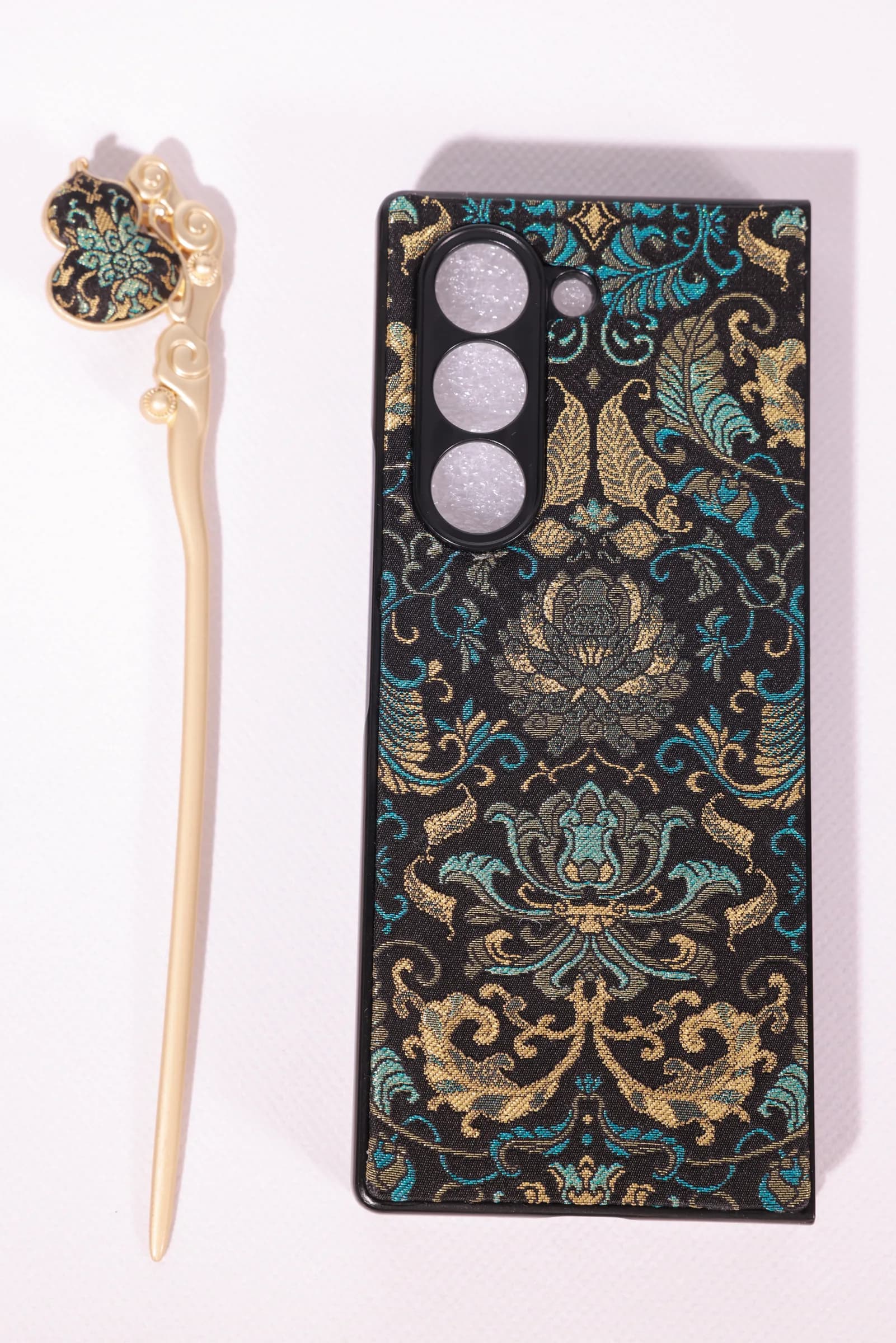
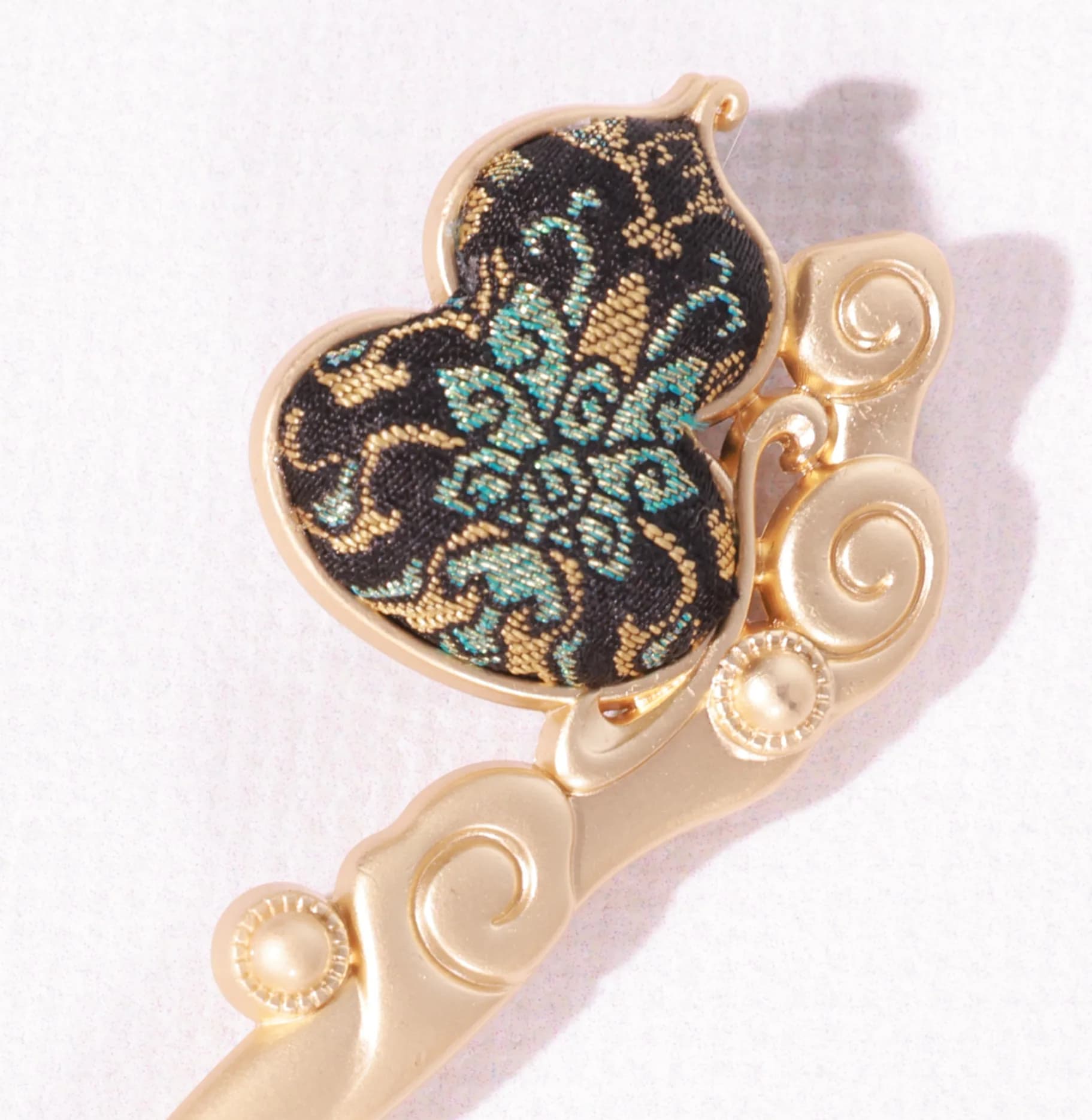
- Designed to match charms, bags and gift sets from the same pattern family.