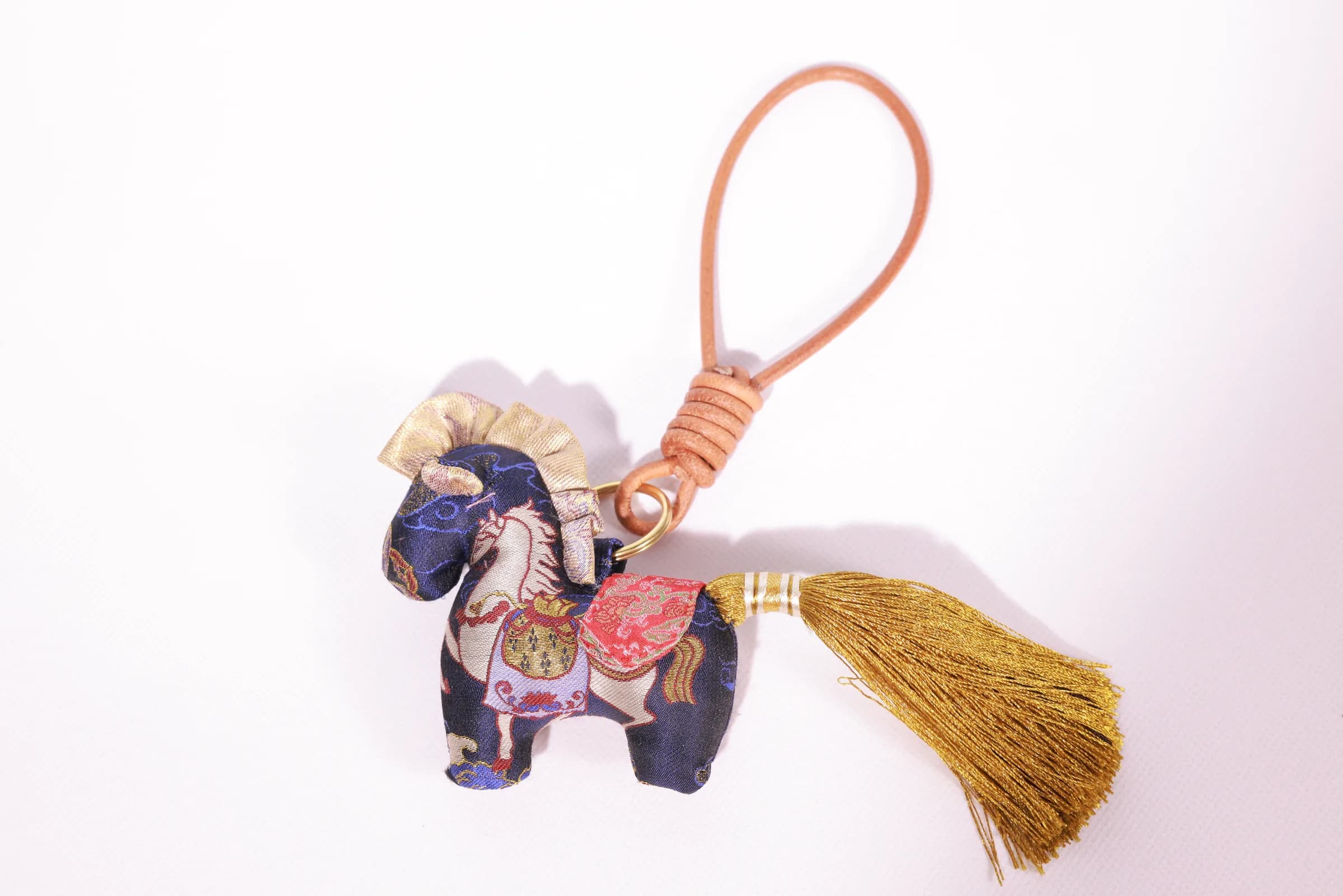
The Silhouette
Intangible Heritage Craft Points
Heritage textile details, finishing notes and limited-batch positioning for the luxury product template.
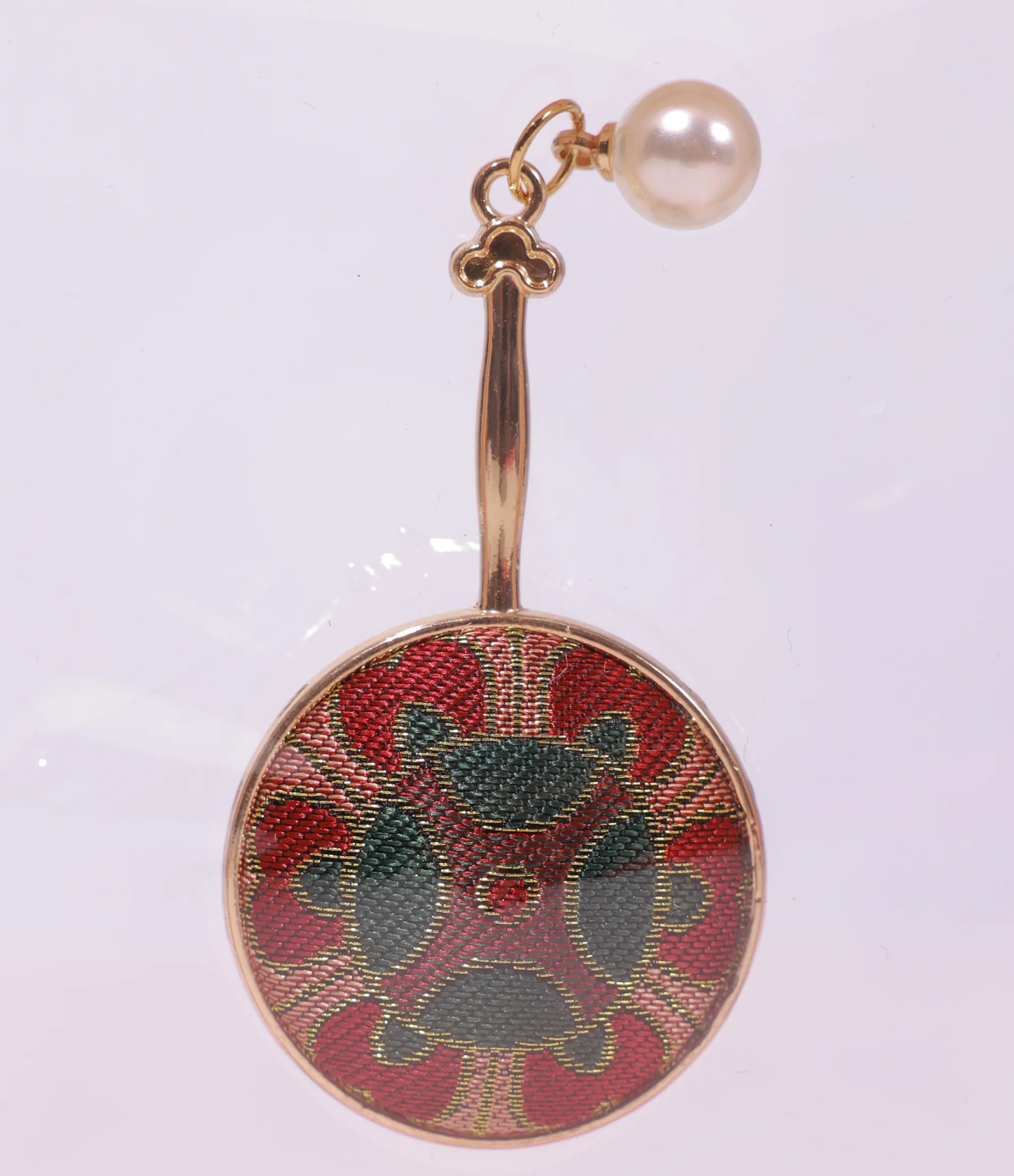
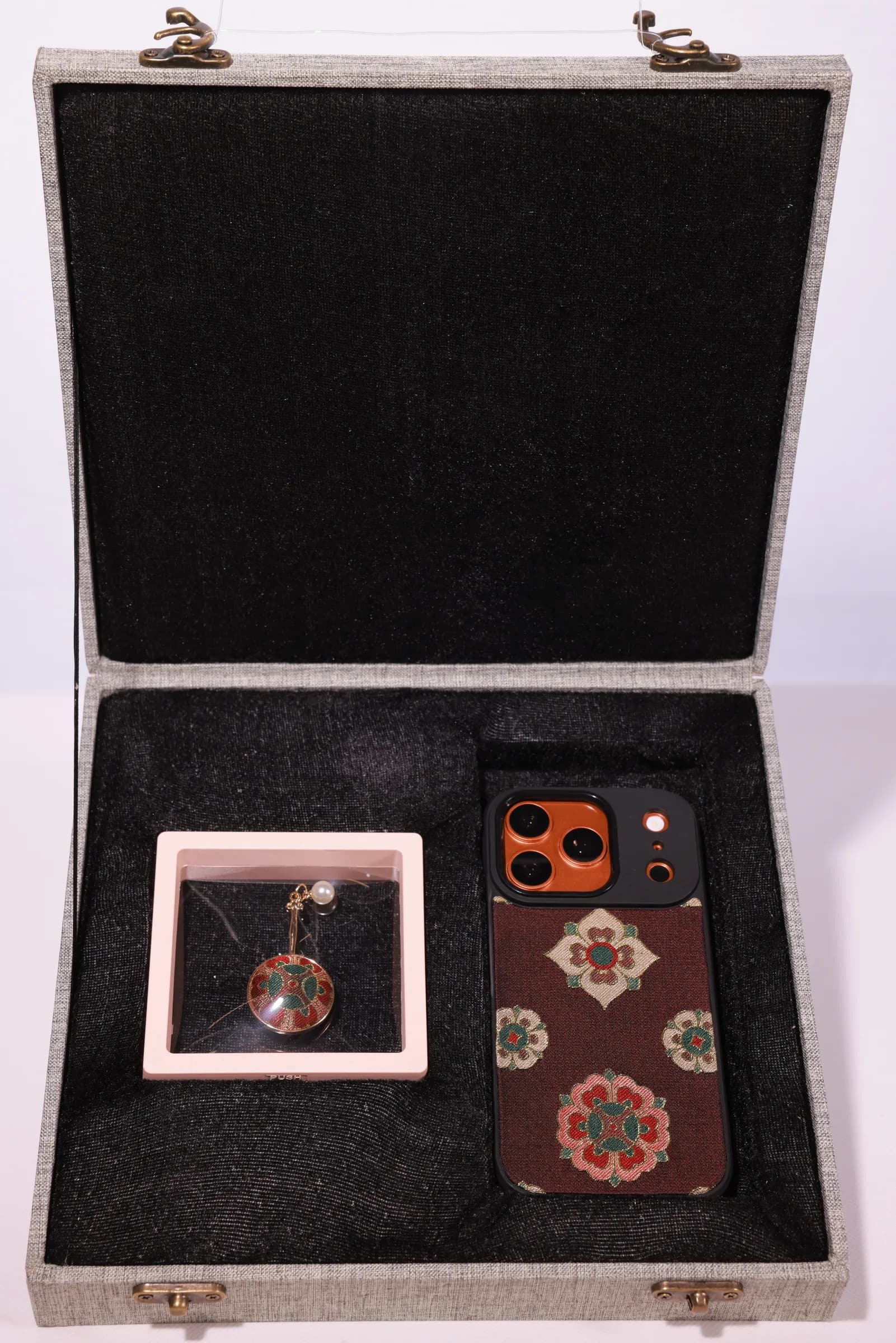
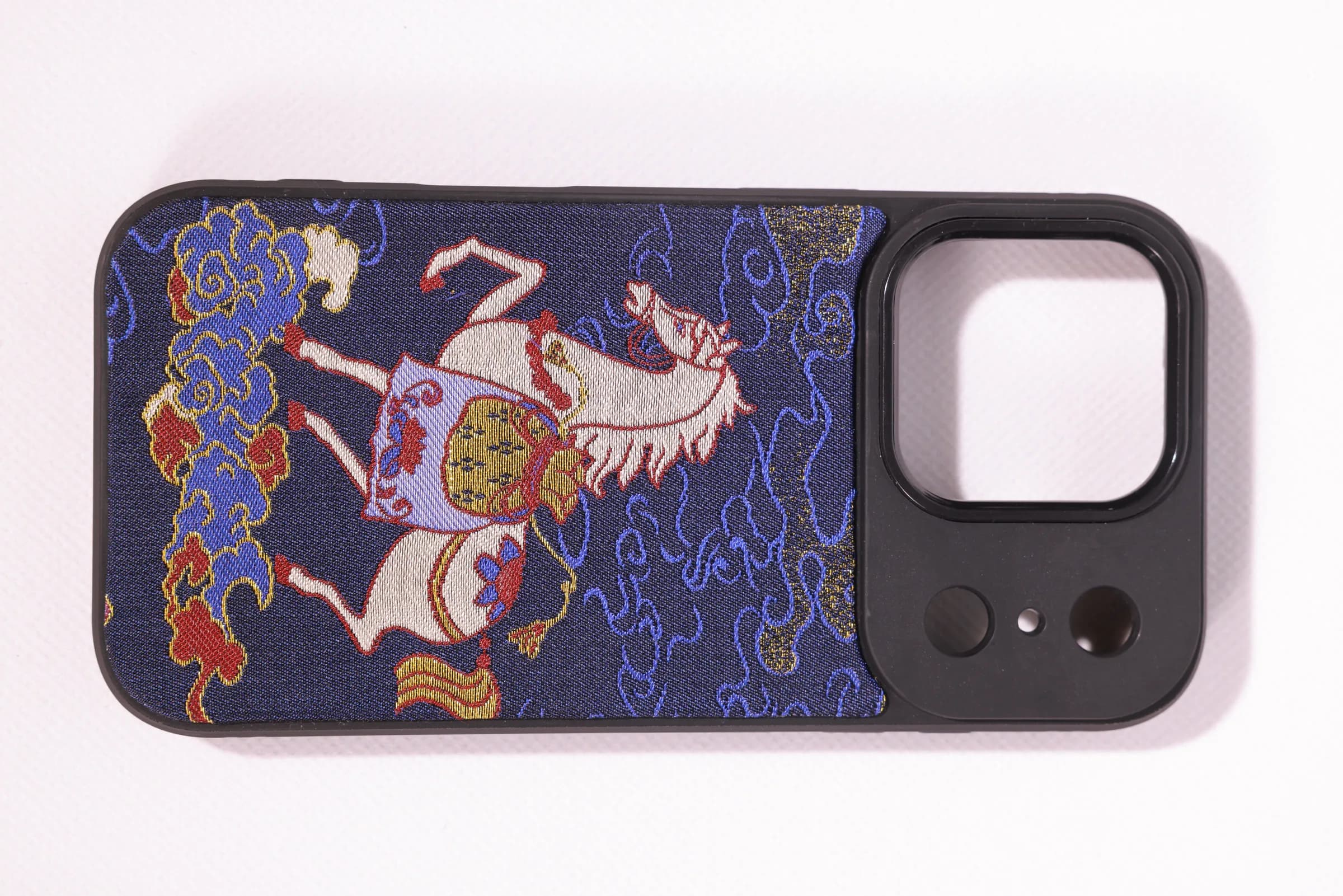
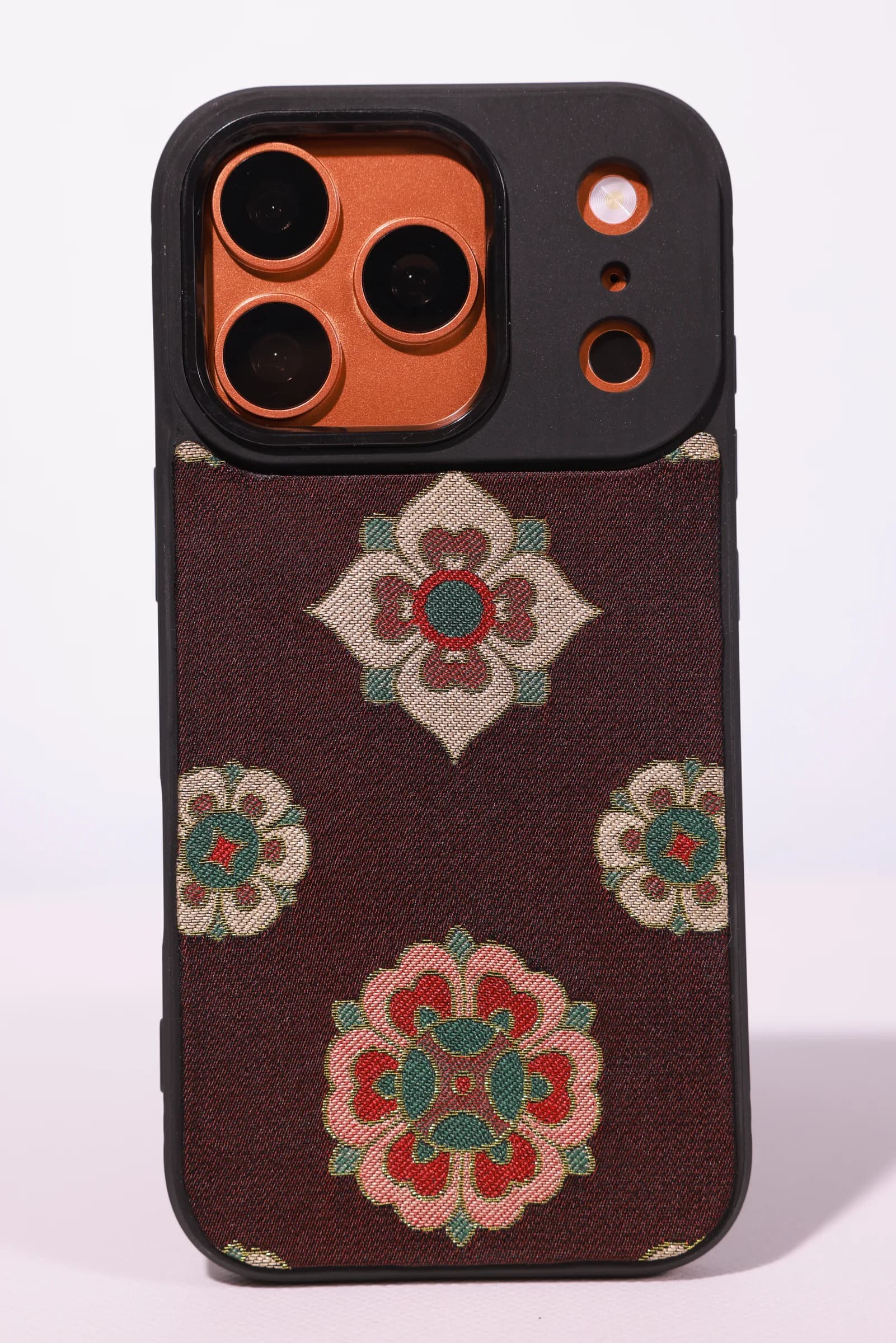
Select the old-brand Sanma intangible cultural heritage Song brocade fabric, mix natural mulberry silk with gilt and red, green and white colored silk, and restore the classic pipa-shaped treasure-making group pattern of the Tang Dynasty. It has a rich rosewood brown brocade base, with neatly arranged precious flowers of various sizes. The petals are taken from the curved shape of the pipa. The red core and green edge are paired with off-white petals and are supplemented by gilt hooks. The ancient hand-made jacquard creates an embossed fabric texture. The silk thread layers are full and thick, and the texture is far better than the cheap printed fabric shells on the market. The all-in-one matte TPU soft shell is made from a 1:1 mold of the real machine, and the lens ring is heightened to protect against bumps in all directions; the natural silk brocade surface is skin-friendly and breathable, oil-resistant and fingerprint-resistant, making it dry and non-sticky to hold in all seasons. Baoxiang flower originated from the decoration of Buddhist statues in the Tang Dynasty, which means peace, completeness, purity and blessings. The pipa pattern symbolizes happiness, smoothness and joy. In ancient times, this brocade material was mostly used in Tang Dynasty temple curtains, palace ceremonial clothes, and noble brocade boxes for personal use and elegant protection. Giving as a gift means perfect joy and good luck.
Sanma Song Brocade is a well-established intangible cultural heritage weaving brand in Suzhou that has been inherited for decades. It inherits the ancient weaving skills of Suzhou Weaving House in the Ming and Qing Dynasties. Song Brocade is listed as an intangible cultural heritage of mankind. The Pipa Baoxiang pattern was first created in the prosperous Tang Dynasty, integrating the Buddhist Baoxiang flowers and the shape of the traditional pipa instrument. The palaces and temples of the Tang Dynasty used this pattern in brocades extensively. The Baoxiang flower takes the form of lotus and peony and is the most auspicious Buddhist flower in Chinese style, symbolizing perfection and peace; the pipa has always represented happiness, worry-free and everything goes well. After the prosperous Tang Dynasty, the pattern was introduced to the Song, Yuan, Ming and Qing Dynasties, and was included in the Song Brocade Book of Suzhou Weaving. Sanma craftsmen relied on ancient brocade fragments to restore the red sandalwood vintage color scheme. The entire brocade material has gone through more than 20 processes including silk reeling and dyeing, natural dyeing of vegetation, cross-stitching, and hand-thrown weaving on an old-fashioned wooden machine. The petals of the group flowers are finely and complicatedly routed. The old-fashioned loom can only weave a few centimeters of brocade surface in a single day. The materials used in retro dark colors are exquisite, and the fabrics are scarce in mass production. The designer reproduced the Tang brocade color scheme and condensed the ancient beauty of the prosperous Tang Dynasty into a square-inch phone case.
- Inspired by Chinese intangible heritage weaving and Silk Road ornament.
- Hand-finished surface made in small batches for visual consistency.
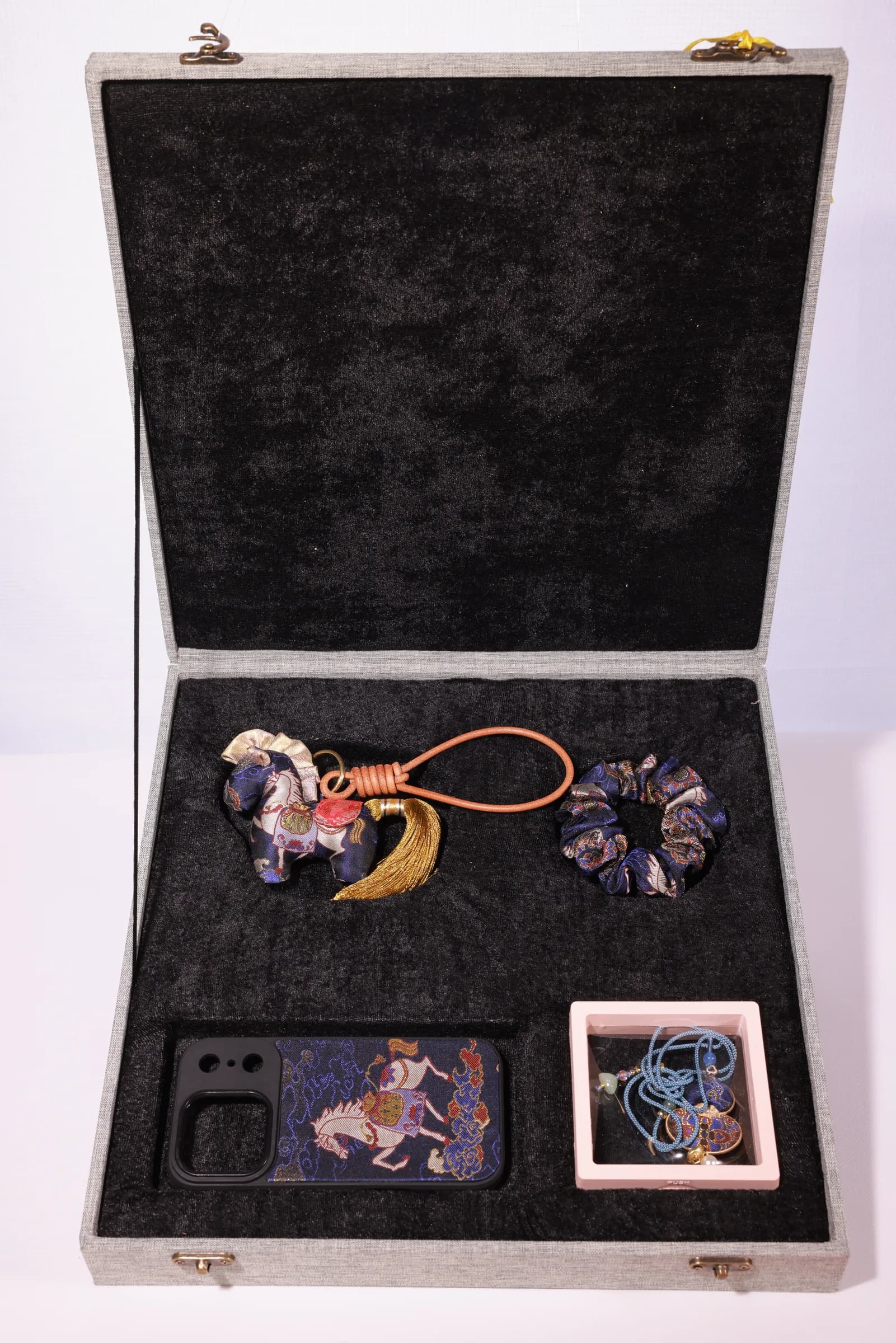
- Designed to match charms, bags and gift sets from the same pattern family.