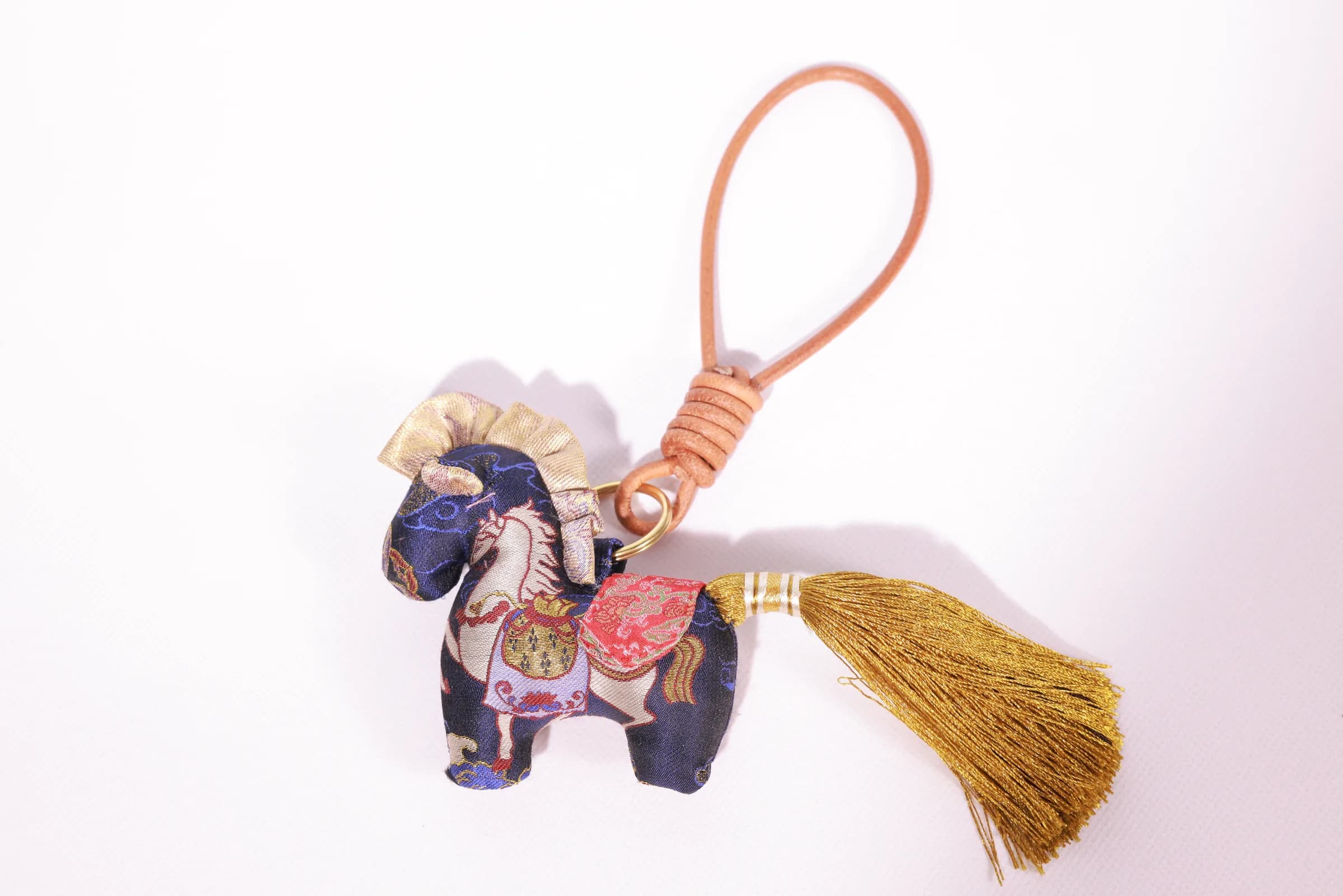
The Silhouette
Intangible Heritage Craft Points
Heritage textile details, finishing notes and limited-batch positioning for the luxury product template.
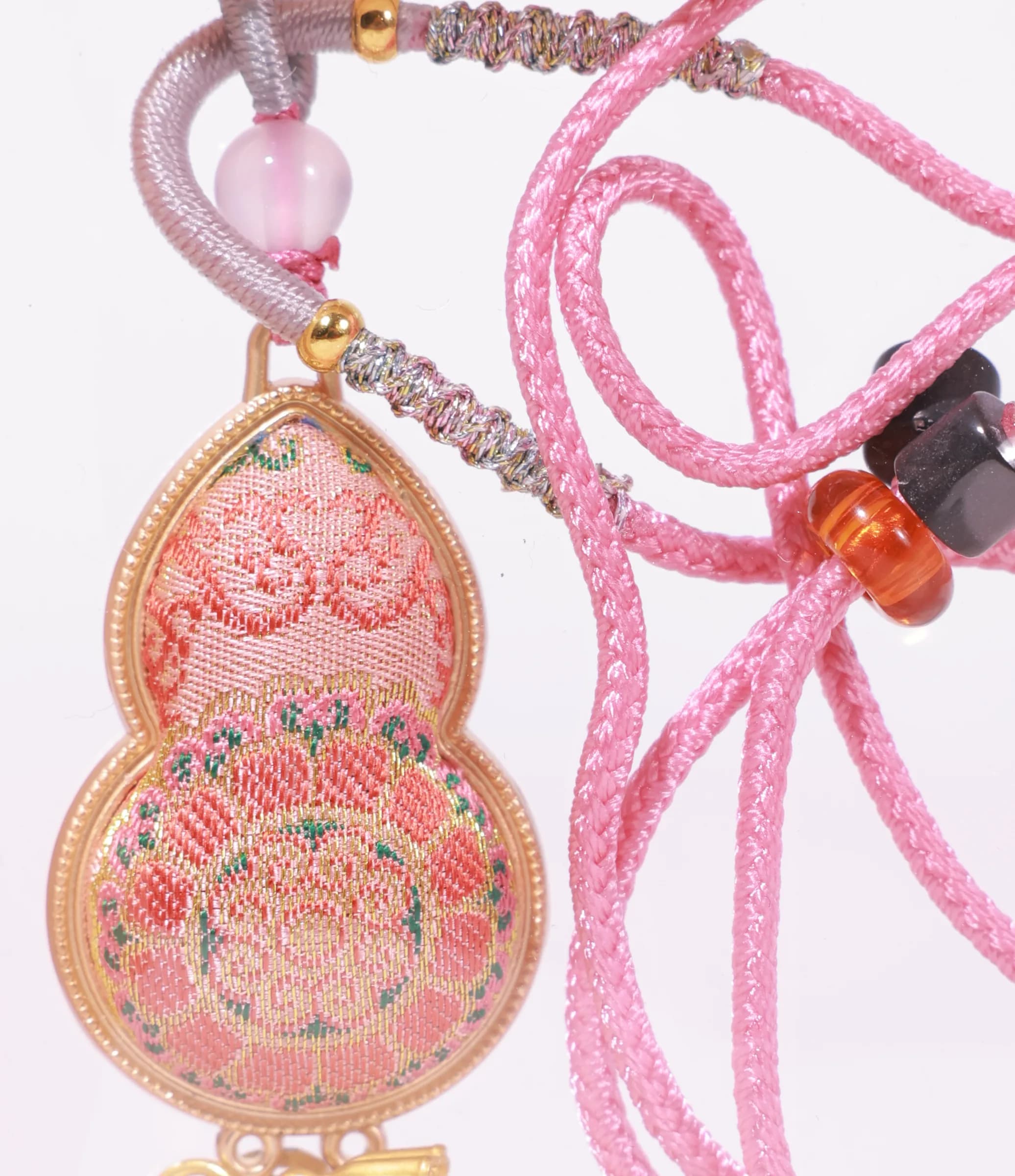
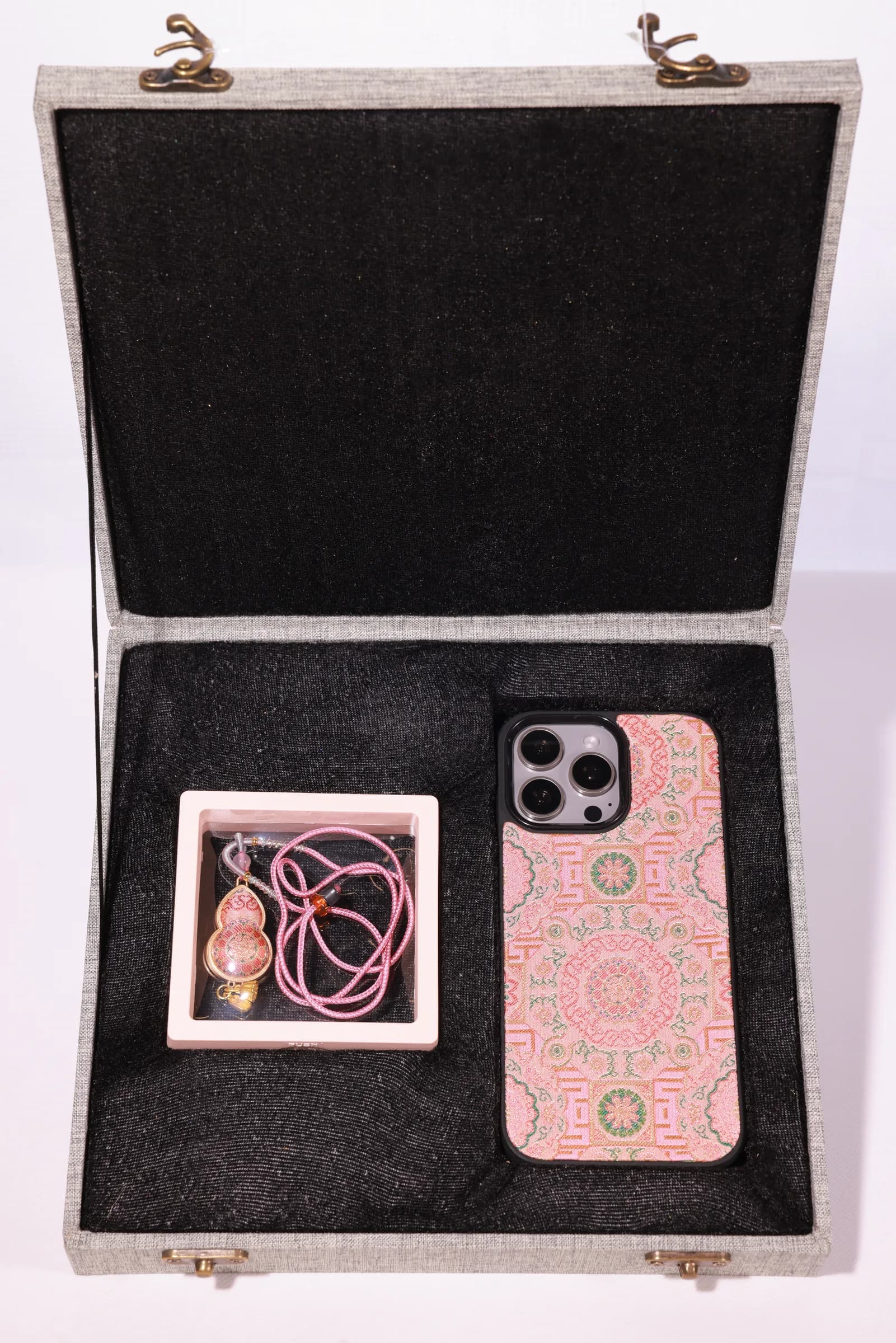
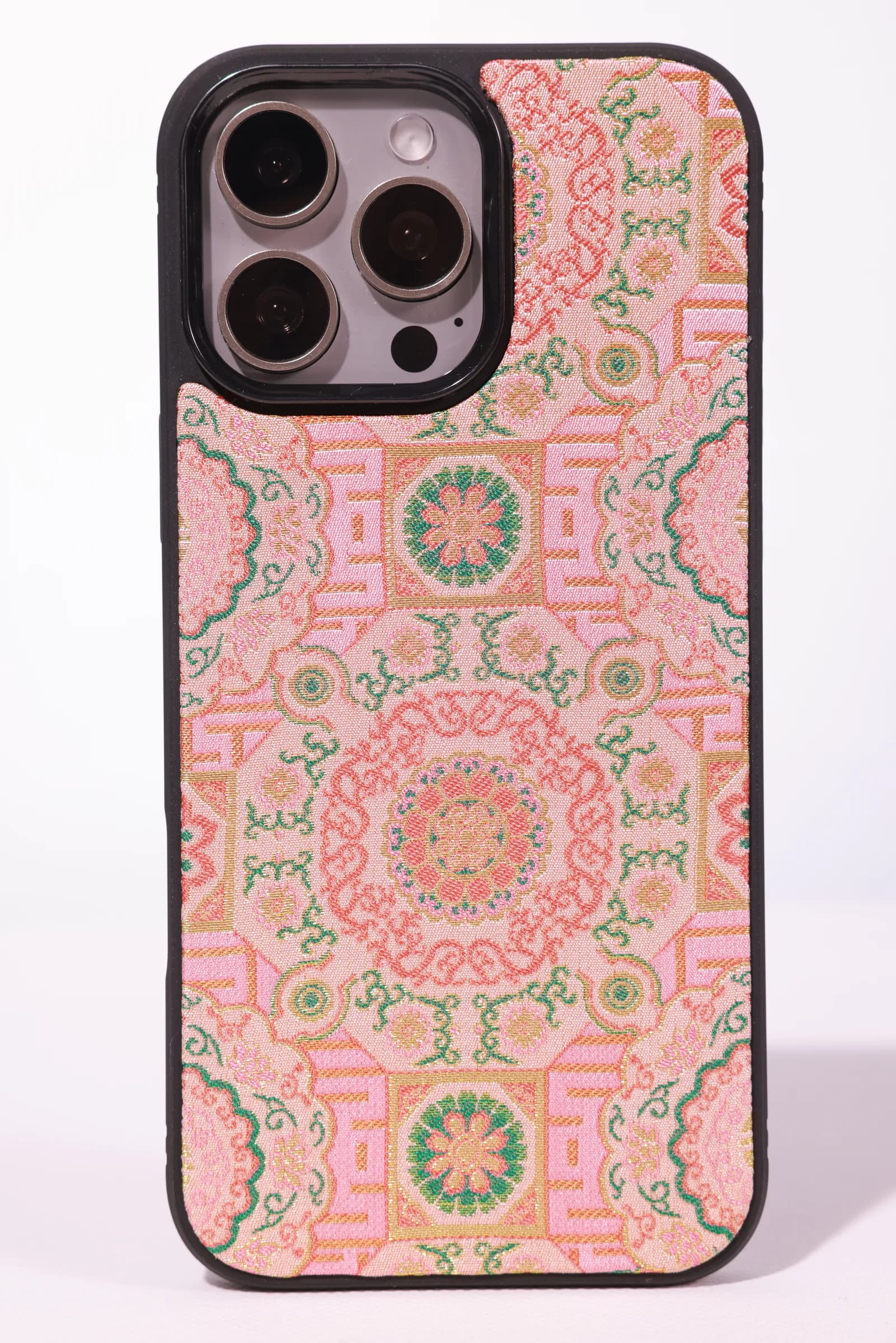
The intangible cultural heritage craftsman Lu Meiying was selected to restore the Bada halo Song brocade fabric using ancient methods. The natural mulberry silk was mixed with gilt and emerald green colored silk, and the classic pink gold Bada halo pattern handed down from Song brocade was reproduced. Soft pink and elegant brocade base, regular eight-dimensional geometric skeleton interlaced in a series, a large round treasure in the center, small clusters of treasures in the four corners, gilt border, emerald green dots, ancient hand-made jacquard to create an embossed fabric texture, the texture is far superior to the cheap printed shells on the market. The all-inclusive TPU soft shell is molded on the real phone 1:1, and the lens ring is heightened to prevent bumps in all directions; the natural silk brocade surface is breathable, dry, oil-resistant and fingerprint-resistant, and will not stick to your hands in all seasons. In ancient times, the Bada halo was known as the "Eight Directions Access Pattern", which means that it is accessible in all directions, everything goes smoothly, and financial resources are accessible. The Baoxiang flower symbolizes perfection and wealth. In ancient times, the Bada halo brocade was the royal fabric for official attire and palace rituals. For personal use, it brings good luck and elegance. Giving gifts symbolizes a bright future and wealth.
Song brocade is an intangible cultural heritage of mankind. Bada halo is the iconic classic pattern of Song brocade. It was founded in the Song Dynasty and flourished in the Ming and Qing Dynasties. It is named after Bafangdada and halo patterns. Lu Meiying has been deeply engaged in Song brocade weaving for decades. She is a provincial intangible inheritor and focuses on restoring the lost old Bada halo ancient brocade. This pink gold Bada halo is engraved with the official brocade color scheme of Jiangnan in the Ming and Qing Dynasties. The geometric pattern of the Bada halo is connected in a series, which in traditional Chinese culture represents the extension in all directions, prosperity and wealth. The Baoxiang Tuanhua is taken from the Buddhist flower, which means peace and completeness. During the Ming and Qing Dynasties, only nobles and nobles could wear the Bada halo brocade material, which was mostly used for trimming court clothes, wrapping valuable collections, and wedding gift bags. The entire brocade has gone through more than 20 processes including silk reeling and dyeing, natural dyeing of vegetation, cross-stitching, and hand-weaving on an old-fashioned wooden machine. The geometric skeleton of the Bada halo has complicated wiring. The old-fashioned loom can only weave a few centimeters of fabric in a single day. The pink and gold color materials are exquisite and are scarce in mass production. The designer adapted the restored Bada brocade from the master's collection to the mobile phone, bringing the thousand-year-old Bada brocade into everyday life.
- Inspired by Chinese intangible heritage weaving and Silk Road ornament.
- Hand-finished surface made in small batches for visual consistency.
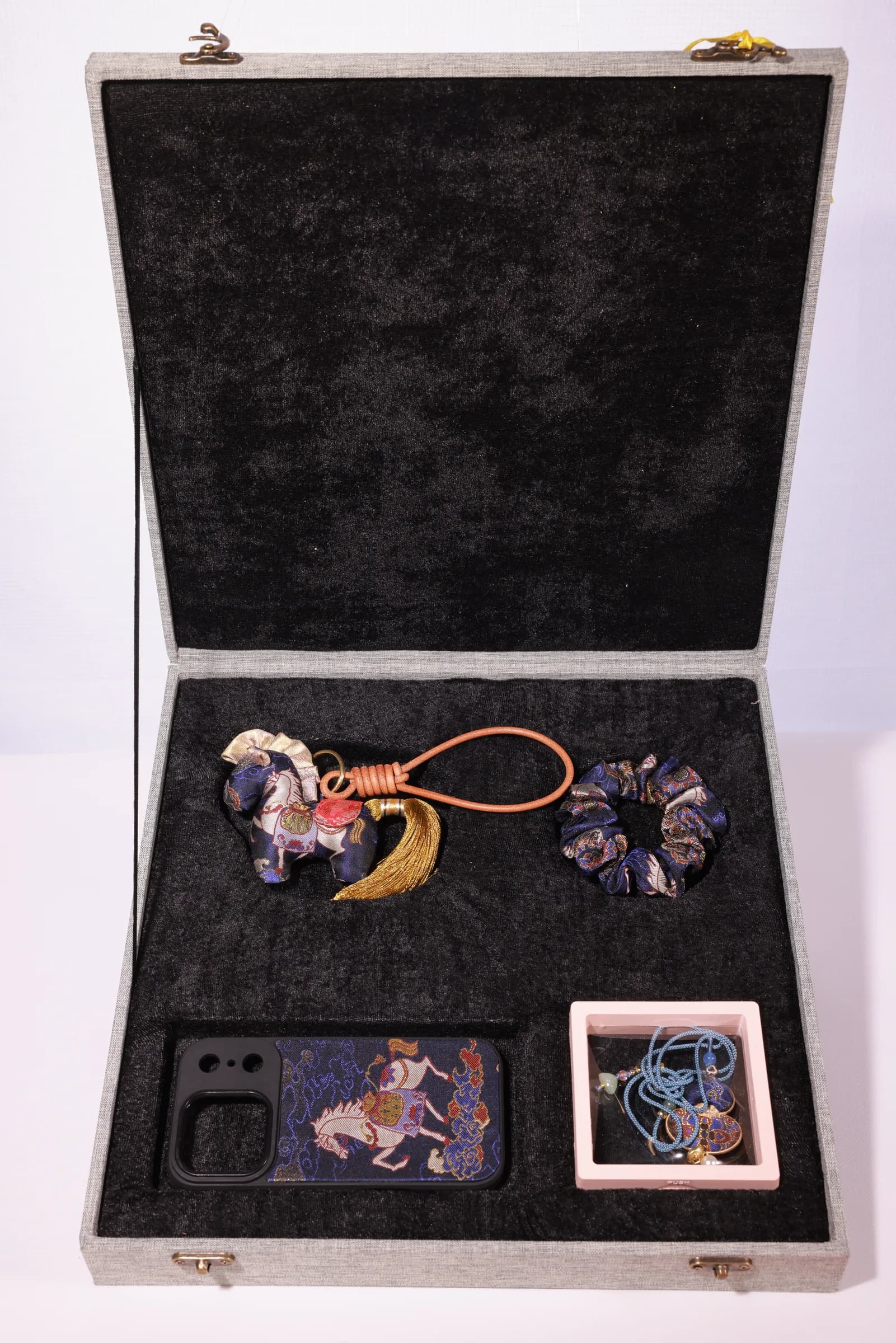
- Designed to match charms, bags and gift sets from the same pattern family.