The Silhouette
Intangible Heritage Craft Points
Heritage textile details, finishing notes and limited-batch positioning for the luxury product template.
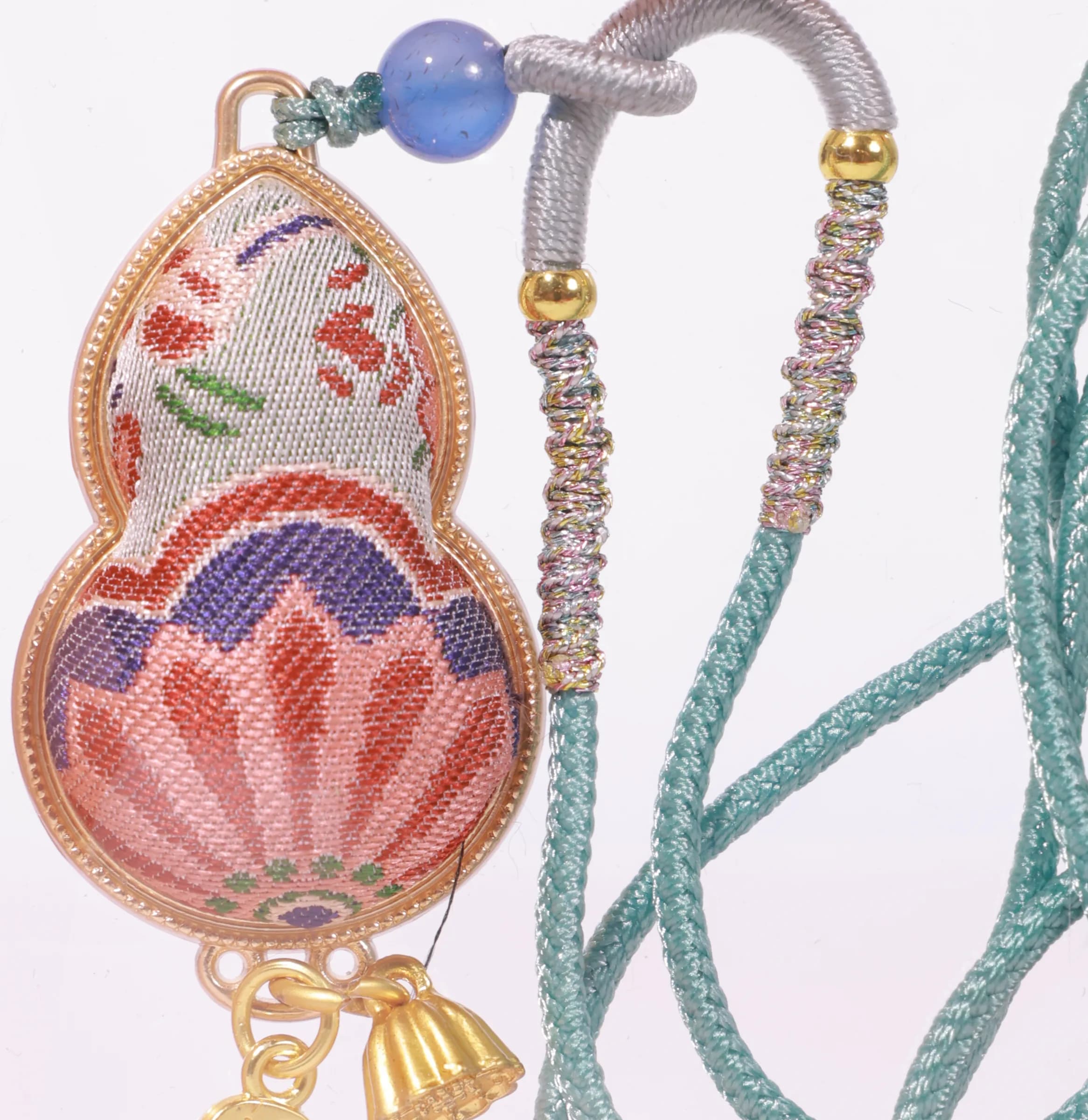
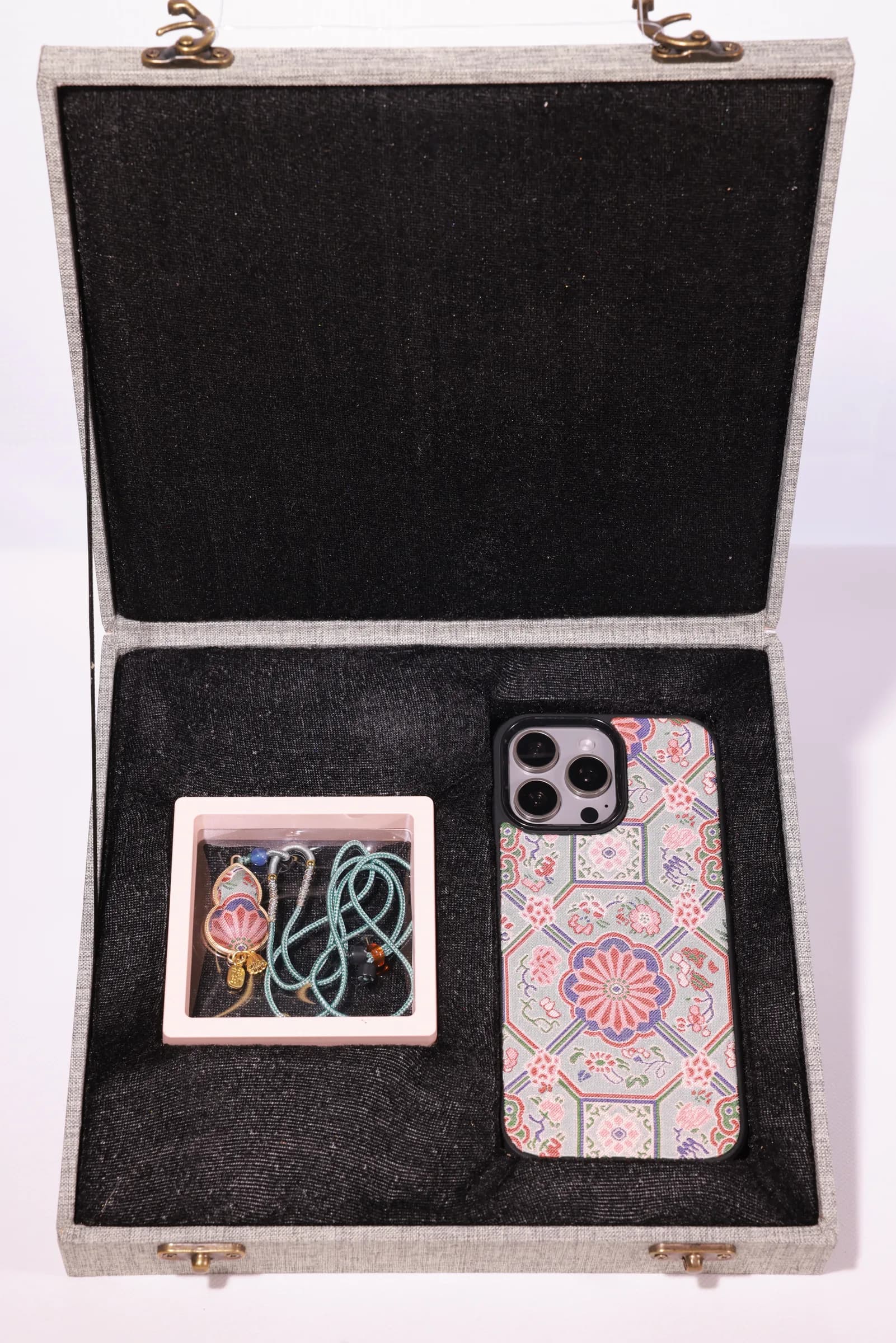
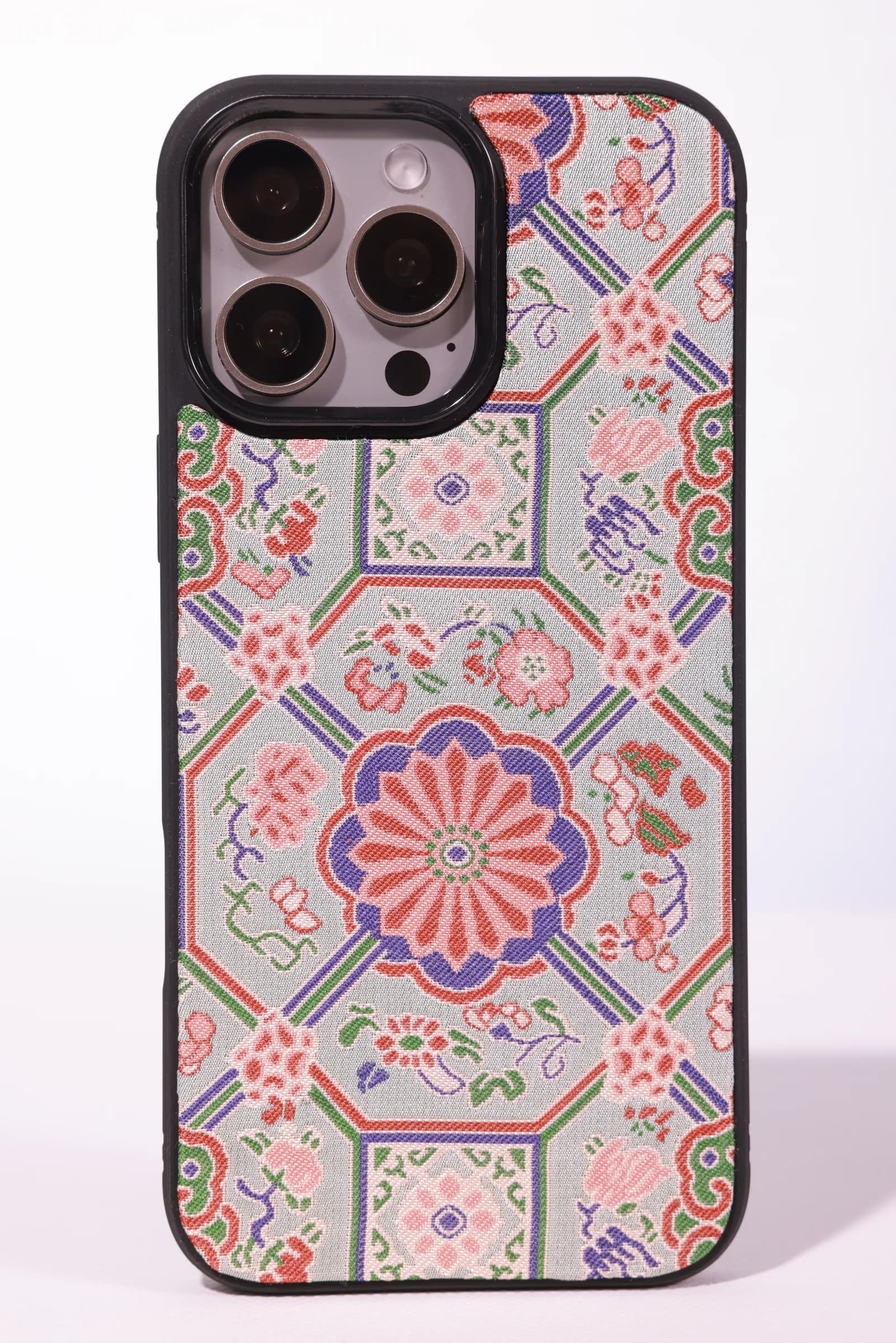
The same intangible cultural heritage Song brocade fabric as the national gift is selected, natural mulberry silk is matched with five-color plant-dyed silk thread, and the classic rice bottom checkered multi-colored Xia Baoxiang pattern of the Qing Dynasty palace is restored. It has an elegant light blue rice brocade base, with an octagonal geometric check pattern arranged regularly. A giant precious peony blooms in the center, surrounded by tangled begonias and tulle flowers. The contrasting colors of pink, green and purple are warm and elegant, and the ancient hand-made jacquard creates a relief-style three-dimensional texture. The layers of silk threads are fine and full, and the texture is far superior to cheap digitally printed fabric shells on the market. The all-in-one matte TPU soft shell is 1:1 accurately molded on the real phone, and the lens ring is heightened to fully protect against bumps. The natural silk brocade surface is skin-friendly and breathable, resistant to oil and stains, and does not easily stick to fingerprints. It is dry and non-sticky to hold in all seasons. Baoxianghua means success and success, and wealth is always with you. The flowers on the floor symbolize blooming flowers and prosperity. In ancient times, colorful brocades were mostly used in palace spring dresses, ladies' dressing boxes, and festival gift bags. For personal use, they show their gentleness and temperament. Giving gifts means a bright future and good luck.
Shangjiukai inherits the complete ancient Song brocade techniques from Suzhou Weaving House in the Ming and Qing Dynasties, and is the benchmark brand of Song brocade that is an intangible cultural heritage. The brocade has been used as a national gift fabric for national foreign affairs all year round. Song brocade has been included in the intangible cultural heritage of mankind since the Southern Song Dynasty, and was exclusively woven by the royal family in the Ming and Qing Dynasties. The colorful Xia Brocade was first created during the Kangxi period. It was named Xia Brocade because its color pattern imitated the morning glow on the horizon. It was the spring and summer royal brocade material for the harem of the Qing Dynasty. The ancients used the five colors to correspond to the five elements, which means that the five elements are smooth and auspicious. The entire piece of Xia brocade has gone through more than 20 ancient processes including silk reeling and dyeing, natural dyeing of vegetation, cross-stitching, and hand-throwing on old-fashioned wooden machines. The color matching of five-color silk threads is cumbersome. Old-fashioned handlooms can only weave a few centimeters of brocade surface in a single day. The cost of materials for multi-colored models is higher and mass production is scarce. The designer restored the pattern from the fragments of the Qing Dynasty palace's rosy brocade collected in the Suzhou Silk Museum, and condensed the century-old palace's rosy brocade into a square-inch phone case.
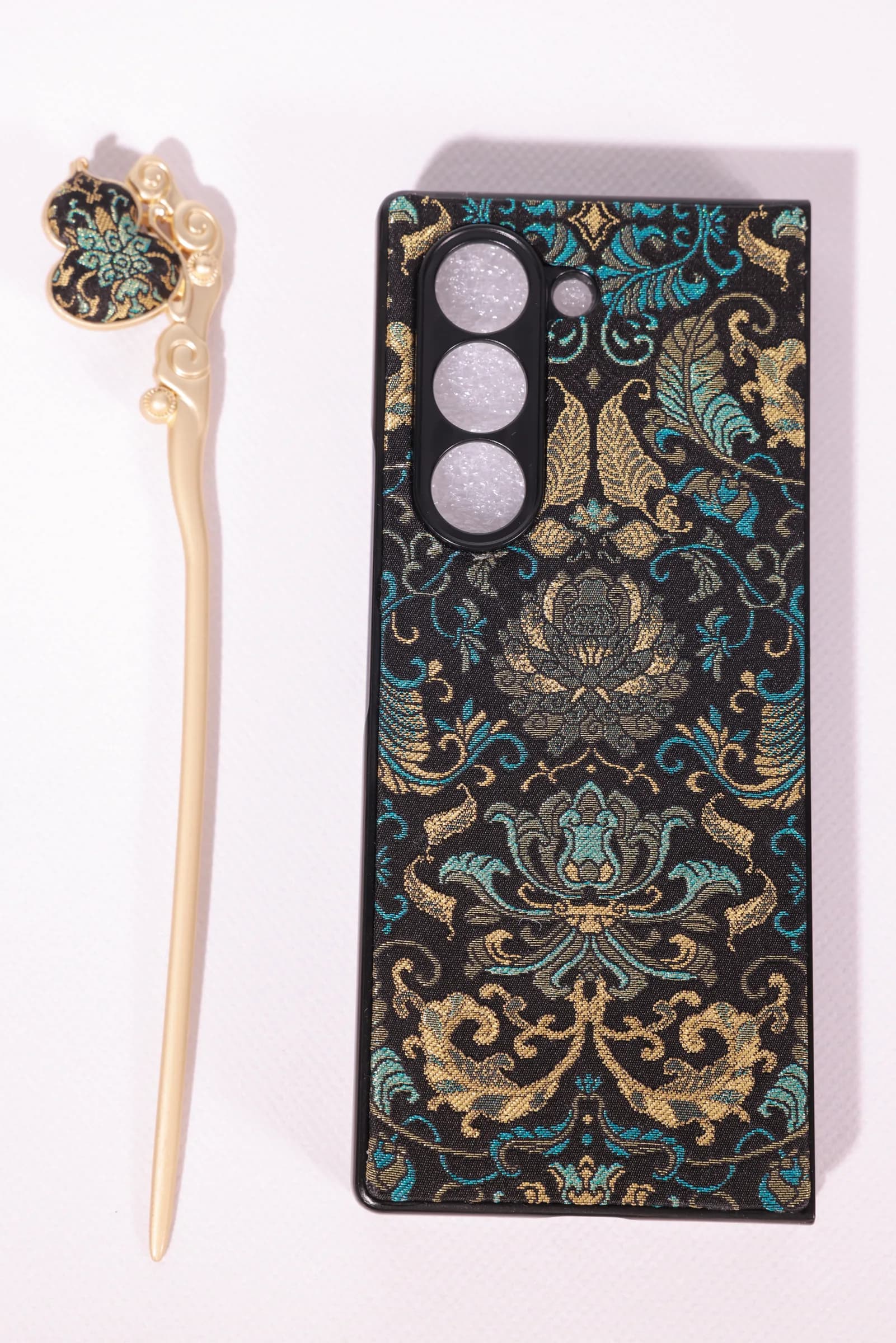
- Inspired by Chinese intangible heritage weaving and Silk Road ornament.
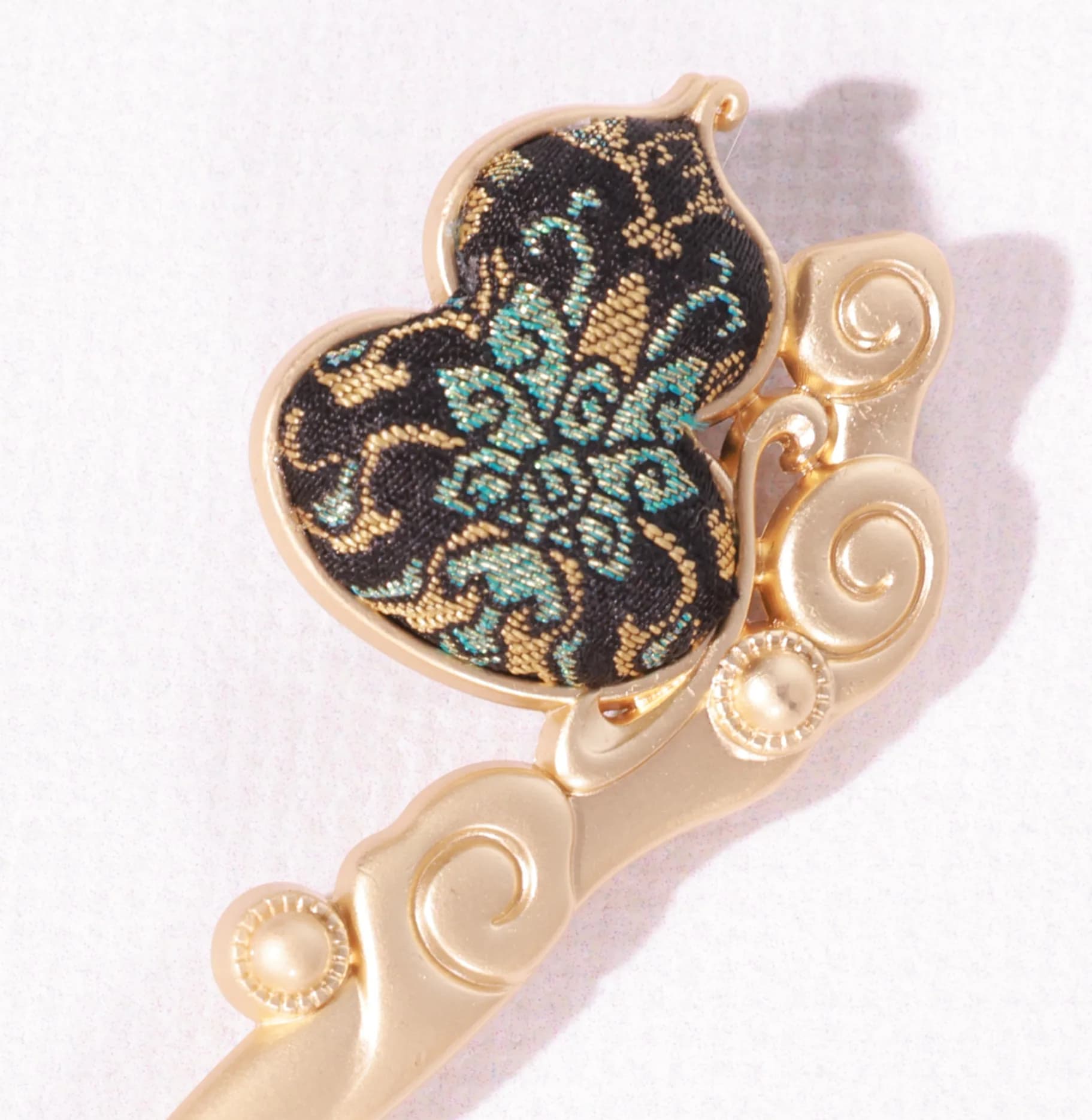
- Hand-finished surface made in small batches for visual consistency.
- Designed to match charms, bags and gift sets from the same pattern family.