The Silhouette
Intangible Heritage Craft Points
Heritage textile details, finishing notes and limited-batch positioning for the luxury product template.
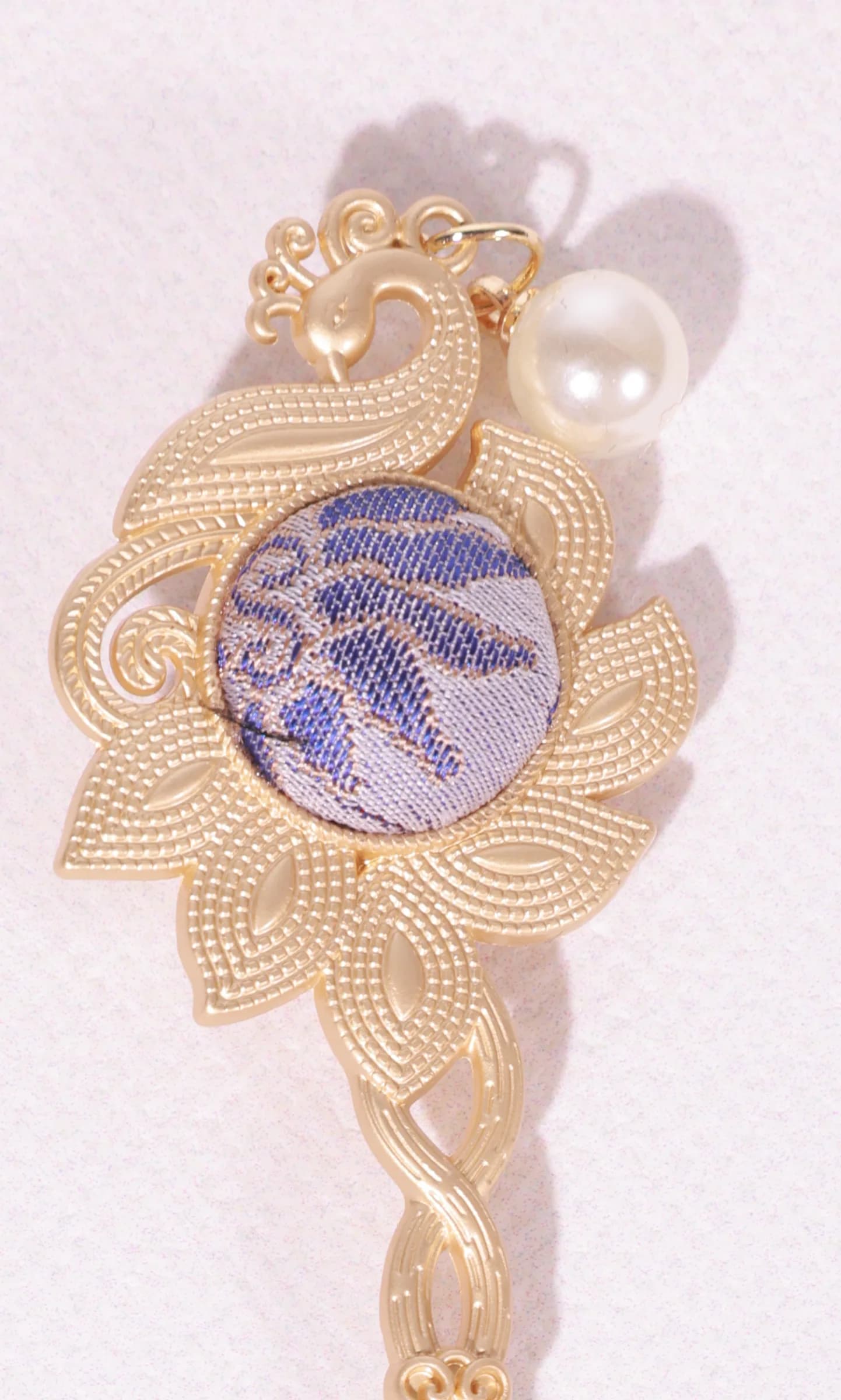
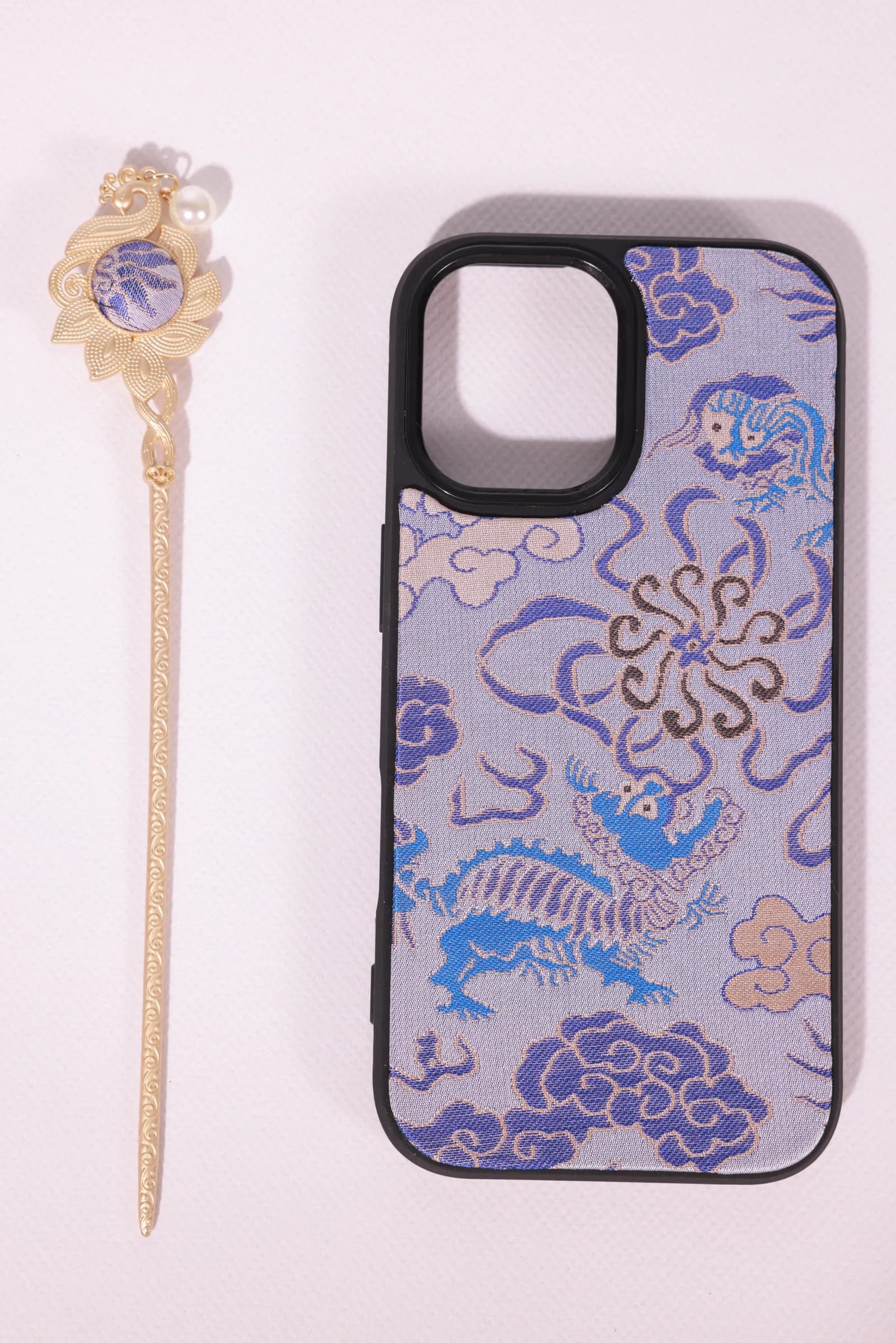
The Song brocade fabric is selected from the national intangible cultural heritage in regular script, mixed with natural mulberry silk and embossed with golden thread, to restore the auspicious patterns of the classic Qing Dynasty lion dance, rolling hydrangea, clouds and fire. On the elegant brocade base of light lotus root, two lions shuttle among the auspicious clouds, and the hydrangea in the center is wrapped with flame curling grass. The sapphire blue lion pattern is matched with brown and gold cloud patterns. The ancient hand-made jacquard creates a relief-like three-dimensional texture. The silk thread layers are full, and the texture is far superior to the cheap printed fabric shells on the market. The all-in-one matte TPU soft shell fits the body precisely, and the heightened lens ring provides all-round protection from bumps. The natural silk brocade surface is skin-friendly and breathable, resistant to oil and stains, and does not easily stick to fingerprints. It is dry and non-sticky to hold in all seasons. The auspicious lion rolling embroidered ball is the top auspicious decoration in Chinese style: the lion wards off evil and protects good fortune, the hydrangea symbolizes rolling wealth, and the auspicious clouds symbolize everything going well. In ancient times, this pattern brocade was mostly used in palace festival dresses, noble festival brocade boxes, and New Year greeting gift bags.
Shangjiukai inherits the complete ancient techniques of Song brocade from Suzhou Ming and Qing Weaving Houses, and is the benchmark brand of Song brocade that is an intangible cultural heritage. The brocade has been selected as a national gift fabric for foreign affairs all year round. Song brocade has been used by the royal family since the Southern Song Dynasty, and is ranked among the intangible cultural heritage of mankind and one of the three famous brocades in China. The lion dance and rolling hydrangea pattern flourished in the court and folk festival culture of the Ming and Qing dynasties. The ancients would use the auspicious lion pattern brocade materials during New Year and celebrations: the lion was called an auspicious beast in ancient times, and it could guard the house, ward off evil spirits, and drive away bad luck. The hydrangea ball is homophonic to "seeking for wealth", which represents abundant financial resources and a high future. The entwining cloud and fire pattern means prosperity and advancement step by step. During the Ming and Qing dynasties, the Suzhou Weaving House specialized in weaving this festive Song brocade, which was specially used as a gift for the royal family and as a gift for high-ranking officials. The entire piece of Song Dynasty brocade has gone through more than 20 ancient processes, including silk reeling, dyeing, plant dyeing, cross-stitching, and hand-thrown weaving on an old wooden machine. The arrangement of lion pattern filaments is cumbersome. The old-fashioned loom can only weave a few centimeters of brocade in a single day. Mass production of festive pattern brocade is rare.
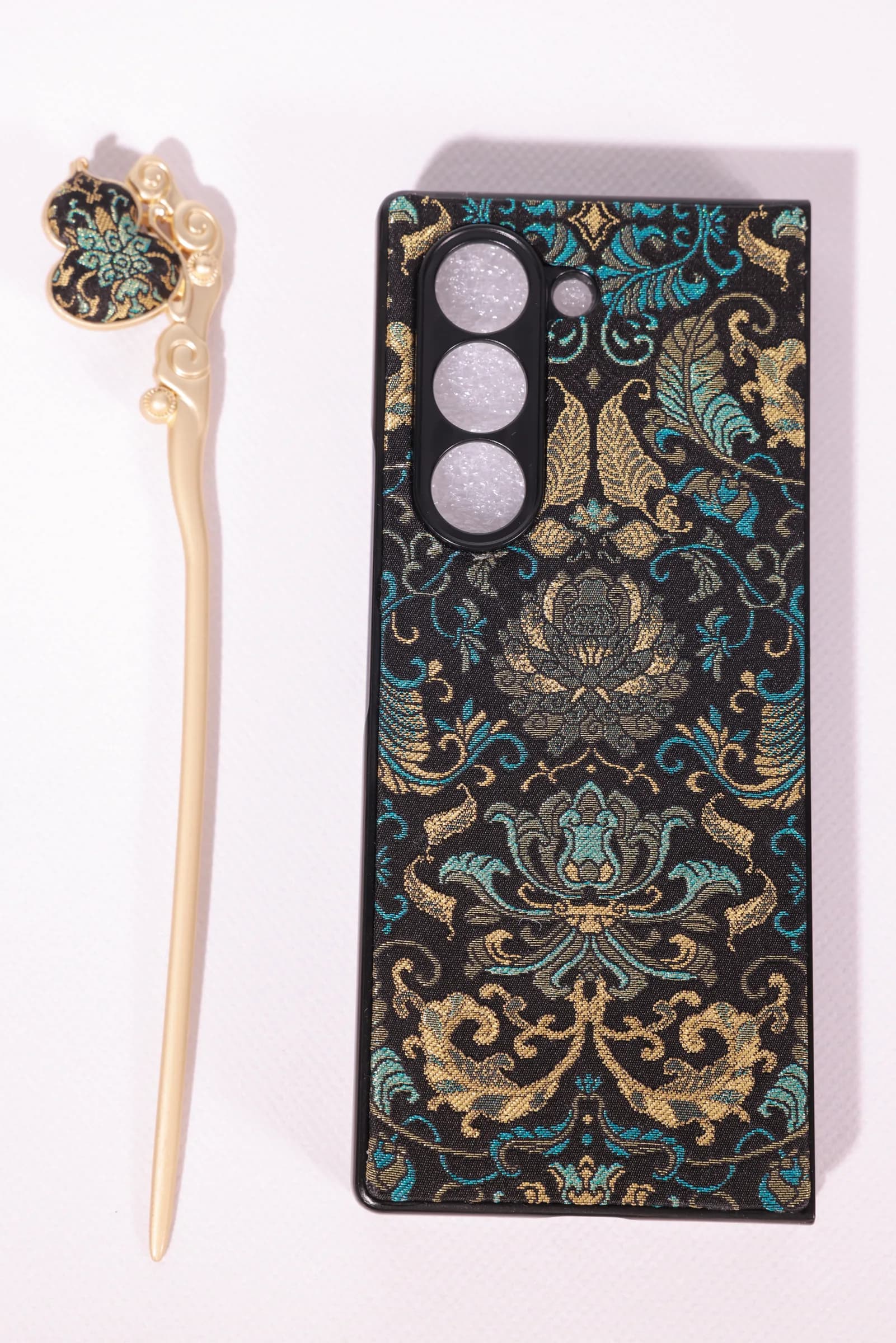
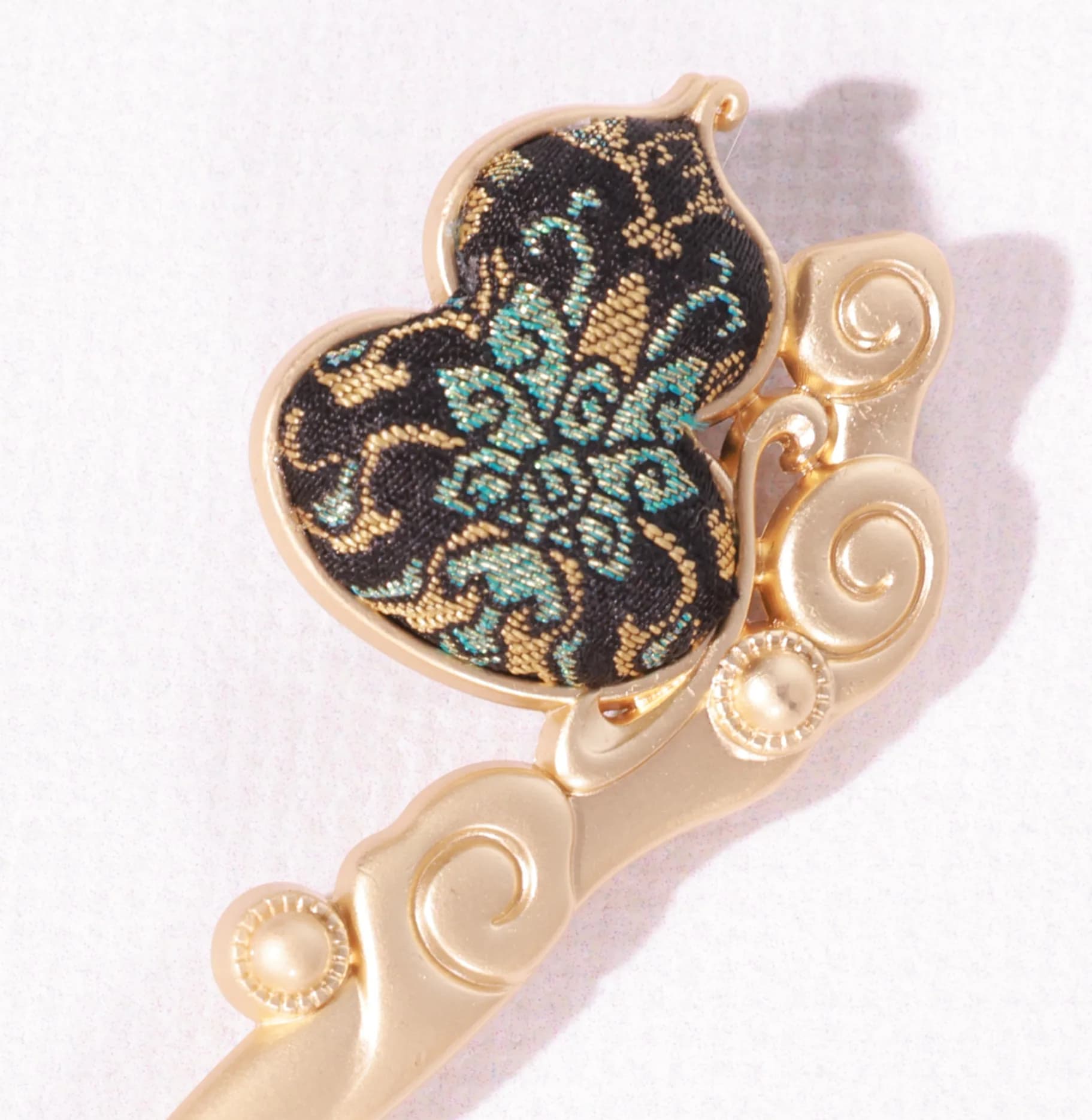
- Inspired by Chinese intangible heritage weaving and Silk Road ornament.
- Hand-finished surface made in small batches for visual consistency.
- Designed to match charms, bags and gift sets from the same pattern family.