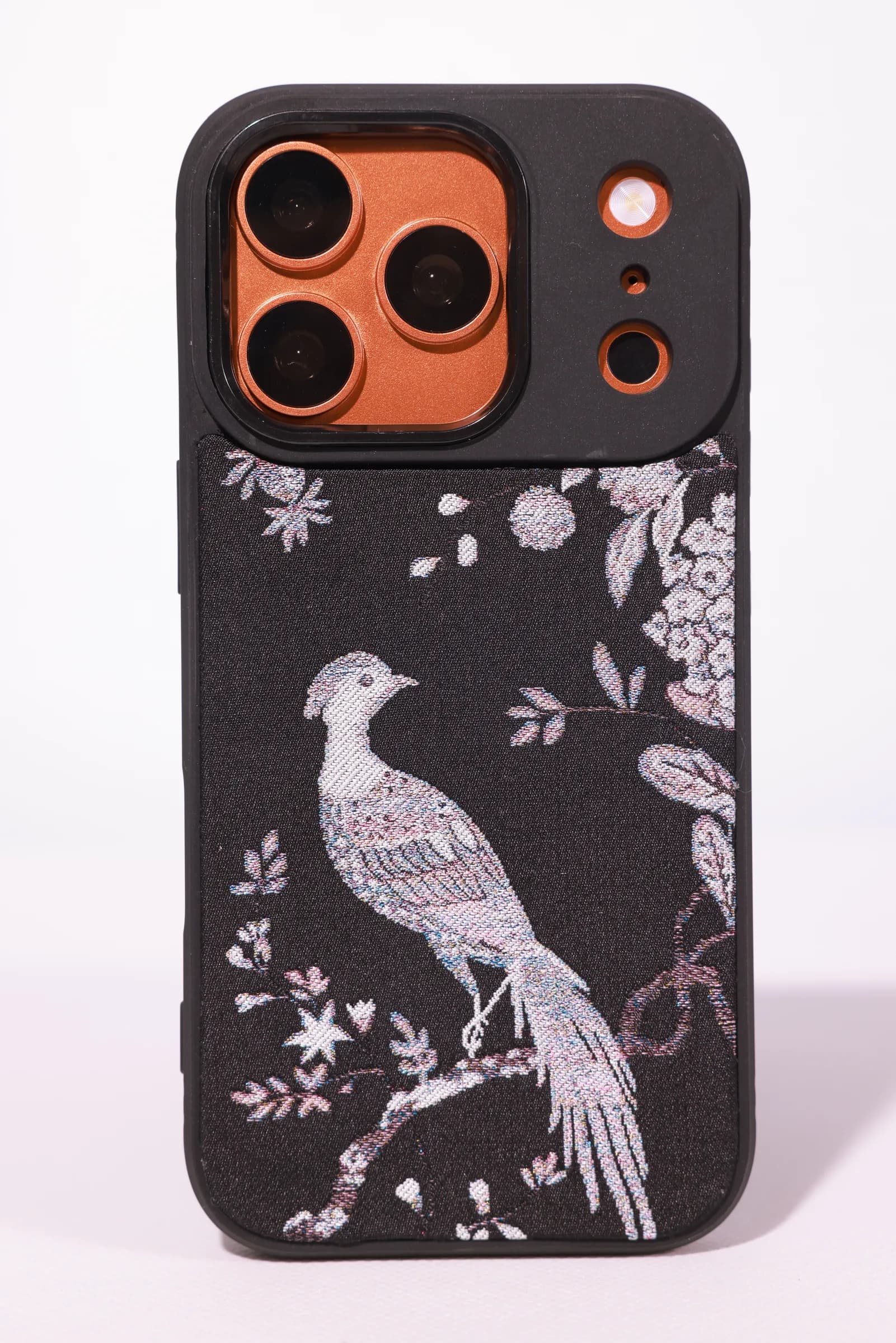
The Silhouette
Intangible Heritage Craft Points
Heritage textile details, finishing notes and limited-batch positioning for the luxury product template.
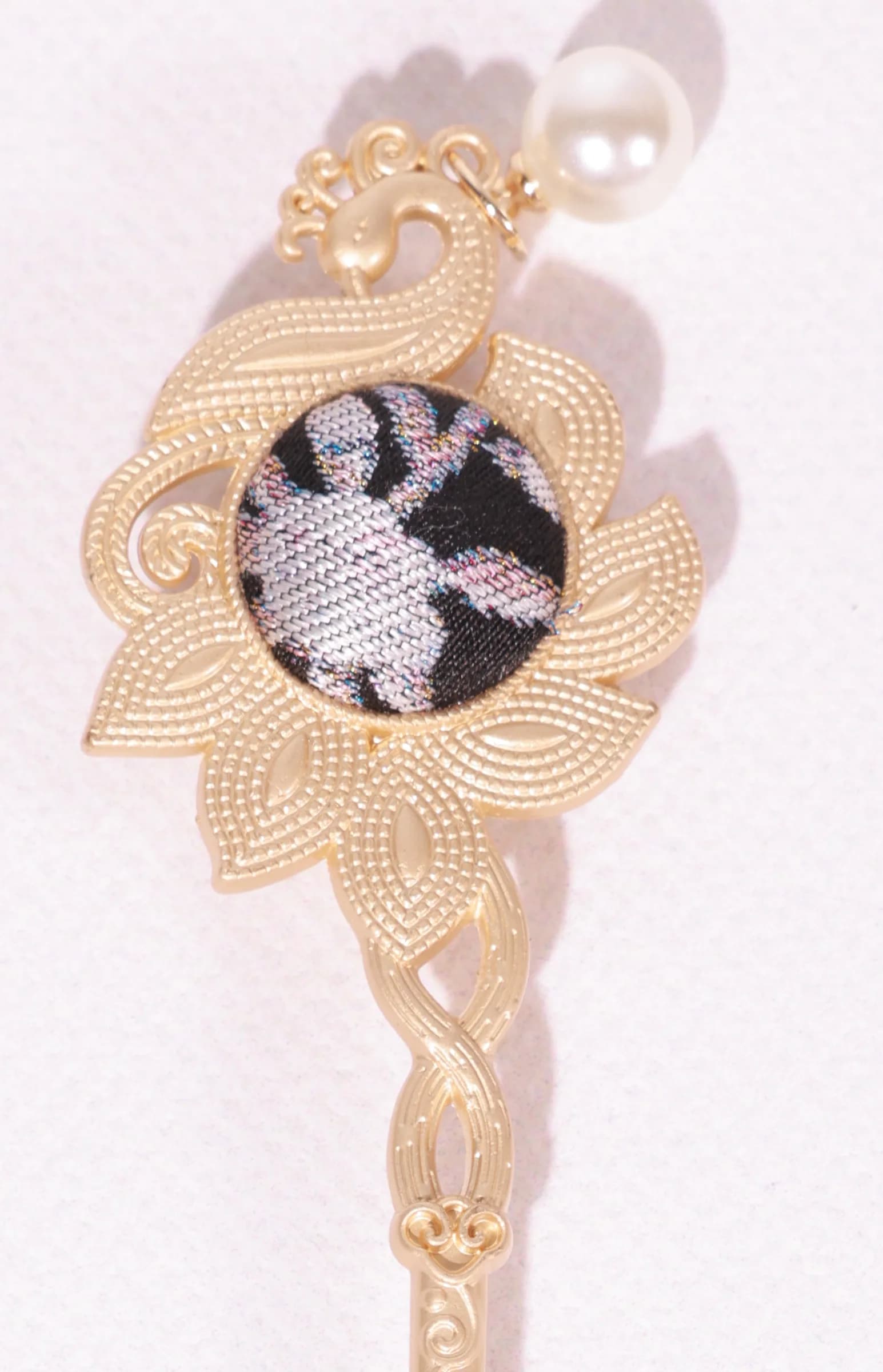
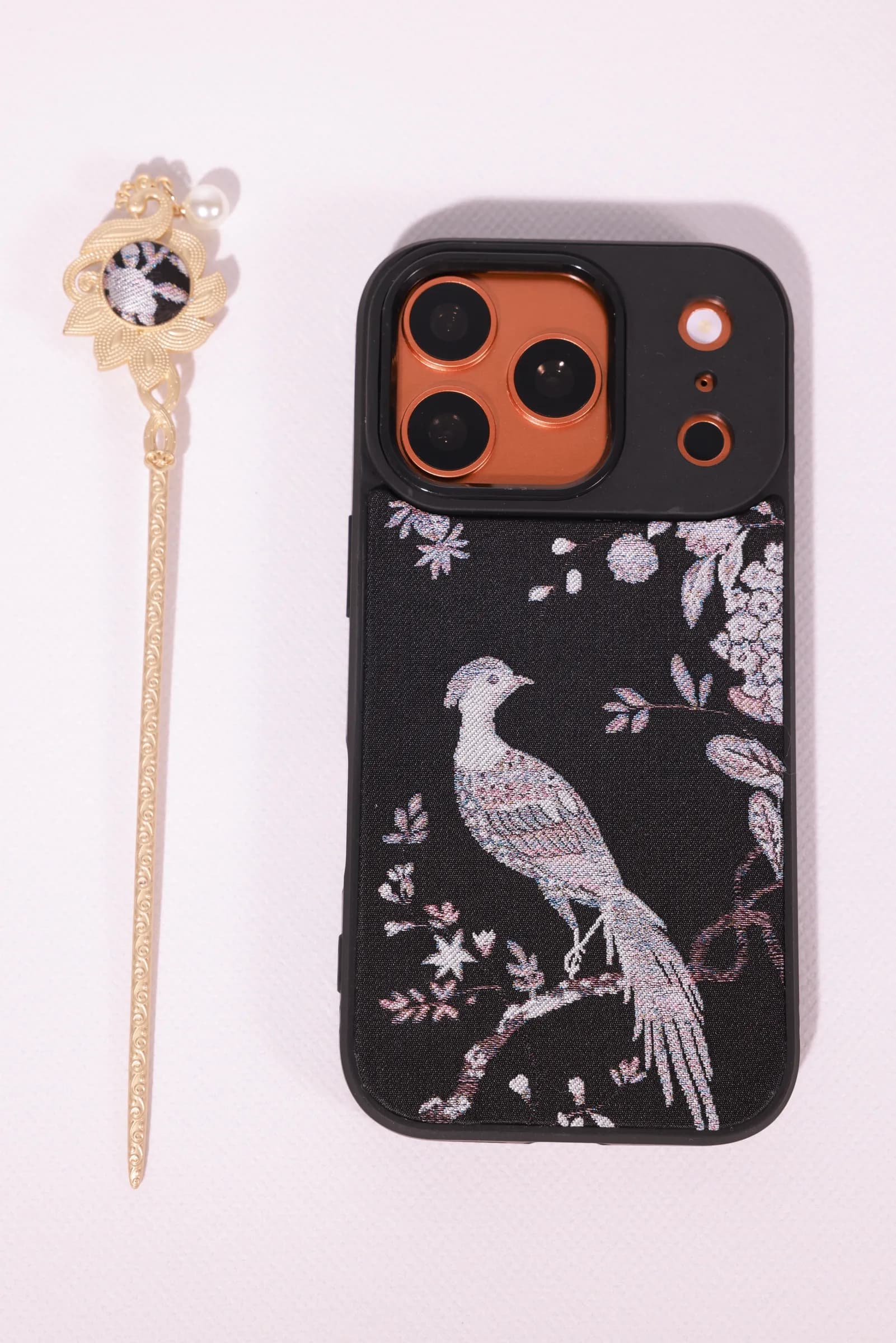
We selected the Song brocade fabric of the national intangible cultural heritage in regular script, mixed with natural mulberry silk and phantom pearlescent silver silk, and reproduced the classic pattern of the famous painting "Hibiscus and Golden Pheasant" handed down by Emperor Huizong of the Song Dynasty. The black background is elegant and elegant. The golden pheasant is perched on a hibiscus branch. The wings are hand-woven with jacquard silk threads. Different light refracts silver powder and lavender gradient luster. The three-dimensional uneven texture of the flowers and leaves perfectly restores the delicate brushstrokes of flowers and birds in the Song Dynasty. The texture is far superior to the digital printed fabric shells on the market. The all-in-one matte TPU soft shell fits the body precisely, and the heightened lens ring protects against bumps in all directions; the natural silk brocade surface is skin-friendly and breathable, oil-resistant and fingerprint-resistant, making it dry and non-sticky to hold in all seasons. Since ancient times, the golden pheasant has symbolized a bright future and good luck, while the hibiscus has symbolized prosperity and wealth. In ancient times, this brocade pattern was mostly used in palace costumes, framed paintings and calligraphy, and in the brocade bags carried by nobles. It is elegant for personal use and shows style. Giving gifts symbolizes wealth, success, and advancement.
Shangjiukai inherits the ancient Song brocade weaving method from Suzhou Weaving House in the Ming and Qing Dynasties. It is the benchmark brand of Song brocade that is an intangible cultural heritage. Its products have been used as fabrics for national foreign affairs and national gifts all year round. Song brocade has been the exclusive royal brocade for the palace since the Southern Song Dynasty and is ranked among the intangible cultural heritage of mankind. The hibiscus and golden pheasant pattern originated from the "Hibiscus and Golden Pheasant" by Emperor Huizong of the Northern Song Dynasty. It is a masterpiece of court flower-and-bird painting in the Song Dynasty. It was included in the palace brocade by the Suzhou Weaving Bureau during the Ming and Qing Dynasties and became the royal pattern for the wealthy class: golden pheasant is a homophonic word for "auspicious", which means good luck and a prosperous career. The hibiscus represents blooming wealth and a prosperous family business. The entire brocade follows more than 20 ancient processes: silk reeling, grass and wood dyeing, cross-stitching, and hand-thrown weaving on an old wooden machine. The color matching of the colorful pearlescent silk threads is cumbersome. An ancient loom can only weave a few centimeters of brocade in a single day, so the fabrics are scarce and precious. The designer restored the ancient brocade patterns from the museum's collection and turned famous paintings from the Song Dynasty into square-inch phone case fabrics, bringing the Song brocade flowers and birds sealed in the museum into daily life.
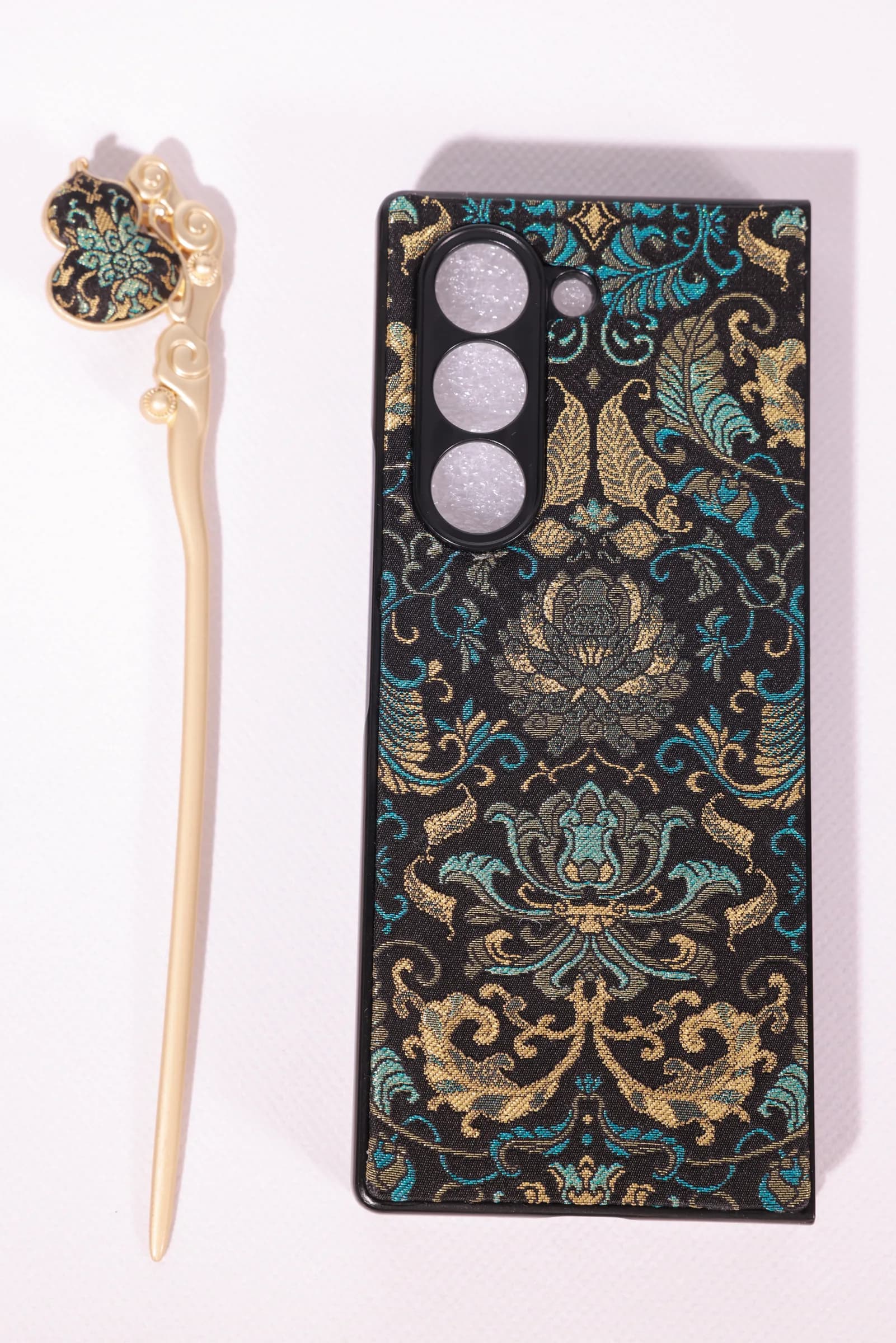
- Inspired by Chinese intangible heritage weaving and Silk Road ornament.
- Hand-finished surface made in small batches for visual consistency.
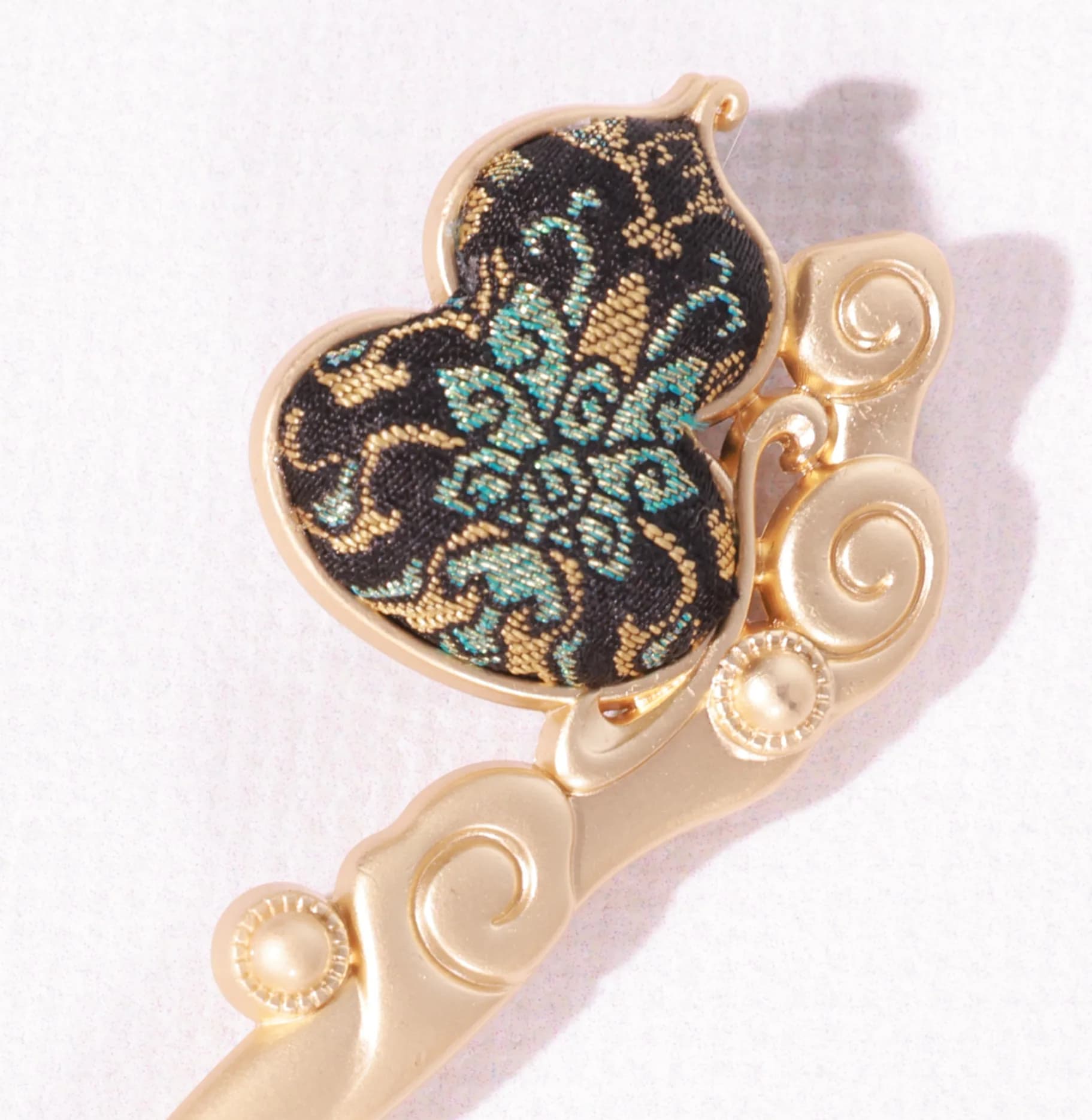
- Designed to match charms, bags and gift sets from the same pattern family.