The Silhouette
Intangible Heritage Craft Points
Heritage textile details, finishing notes and limited-batch positioning for the luxury product template.
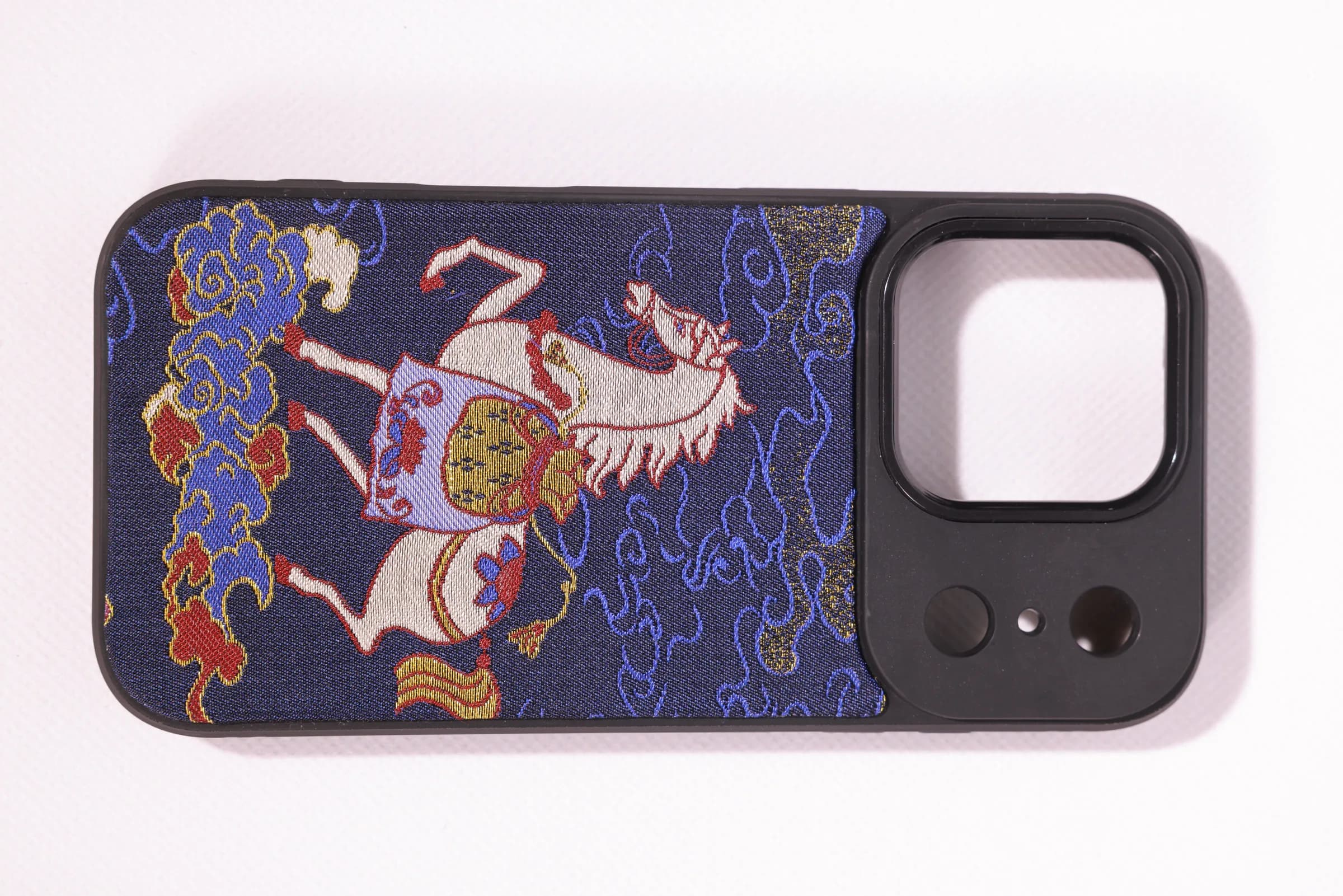
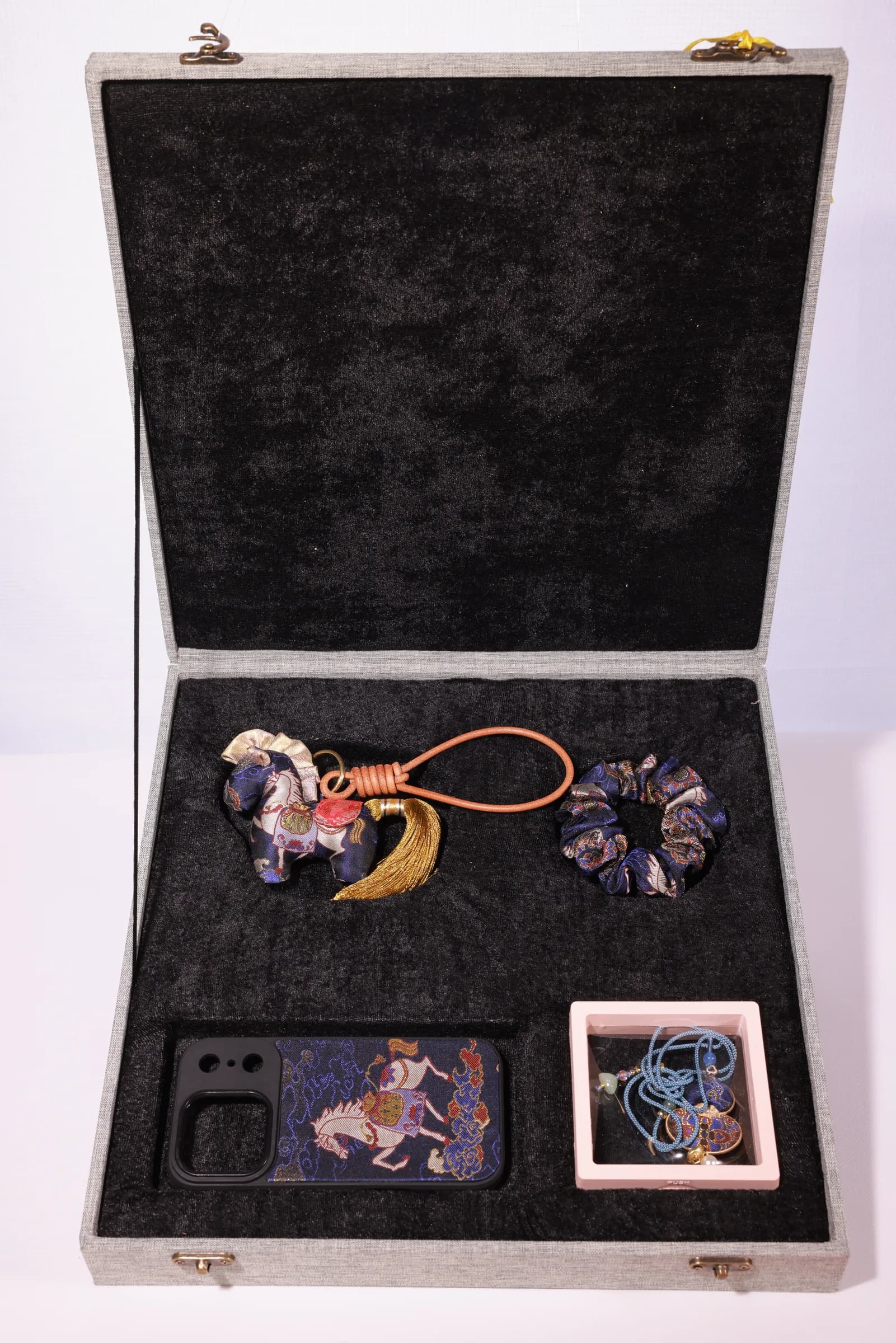
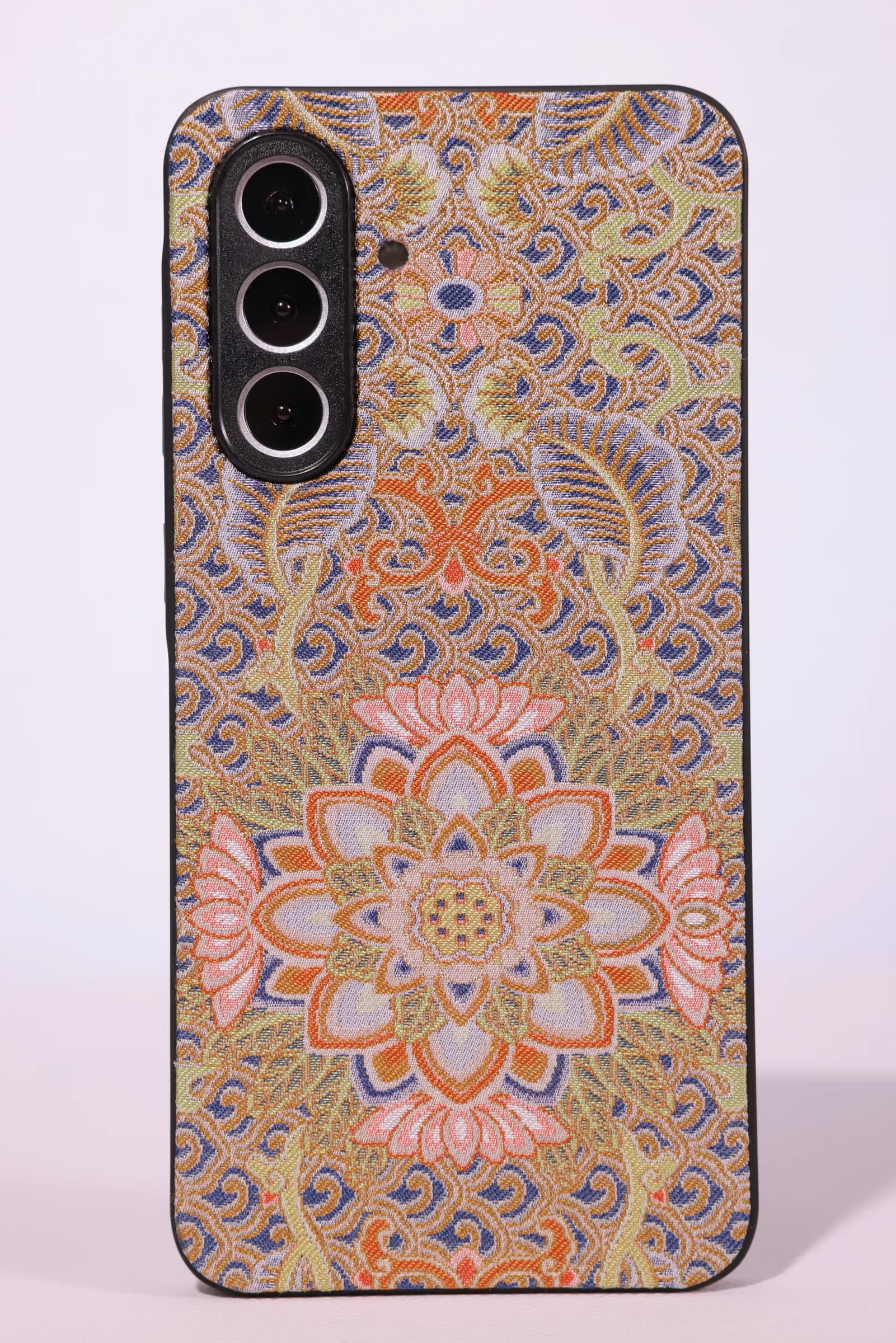
The Suzhou intangible cultural heritage handmade Song brocade fabric is selected, and the natural mulberry silk is mixed with gilt colored thread to reproduce the classic blue and gold colored Lin Baoxiang pattern of the Ming and Qing Dynasties. The precious lotus in the center is dignified and plump, with the unicorn curly grass pattern hidden in the surrounding branches. The treasure symbolizes purity, perfection, auspiciousness and health, and the unicorn symbolizes warding off evil spirits, bringing good fortune, and a smooth future. The ancient weaving method creates a three-dimensional relief texture on the fabric. The blue, gold, pink and brown multi-color weaving threads are staggered and intertwined. The golden threads are shimmering in the lower reaches of the light. The texture is different from the cheap printed fabrics on the market. Equipped with a full-coverage matte TPU soft shell, the real machine is molded accurately, and the lens guard is increased for all-round protection; the silk brocade surface is dry and skin-friendly, resists fingerprints and is not sweaty. The imperial Song brocade, which was used in ancient times for royal Buddhist temple accessories, palace brocade boxes, and scriptures, has been transformed into a daily carry-on national-style good thing, elegant for personal use, and a gift that symbolizes good fortune and prosperity.
Baoxianghua + The hidden qilin pattern originated from the patterns of Buddhist statues in the Tang and Song Dynasties, and flourished in the Song brocade of the Ming and Qing Dynasties: Baoxianghua evolved from a mixture of lotus, peony, and chrysanthemum. It is an auspicious Buddhist decoration, representing peace and perfection; the hidden unicorn is an ancient auspicious animal. It has symbolized bringing wealth to the house and helping the nobles since ancient times. This set of patterns was often used in the covers of royal scriptures, palace ritual sets, and the brocade bags carried by dignitaries. The intangible cultural heritage craftsmen adhere to more than 20 ancient processes: reeling and dyeing → cross-stitching → hand-throwing the shuttle on the machine. The old wooden loom can only weave a few centimeters of brocade in a day, and the finished brocade is scarce and precious. The designer restored the pattern from the fragments of ancient brocade in the collection of Suzhou Silk Museum, and condensed the entire Song brocade with precious treasures and lin patterns into the square inch of the phone case, allowing the palace brocade sleeping in the ancient books in the collection to enter contemporary daily life.
- Inspired by Chinese intangible heritage weaving and Silk Road ornament.
- Hand-finished surface made in small batches for visual consistency.
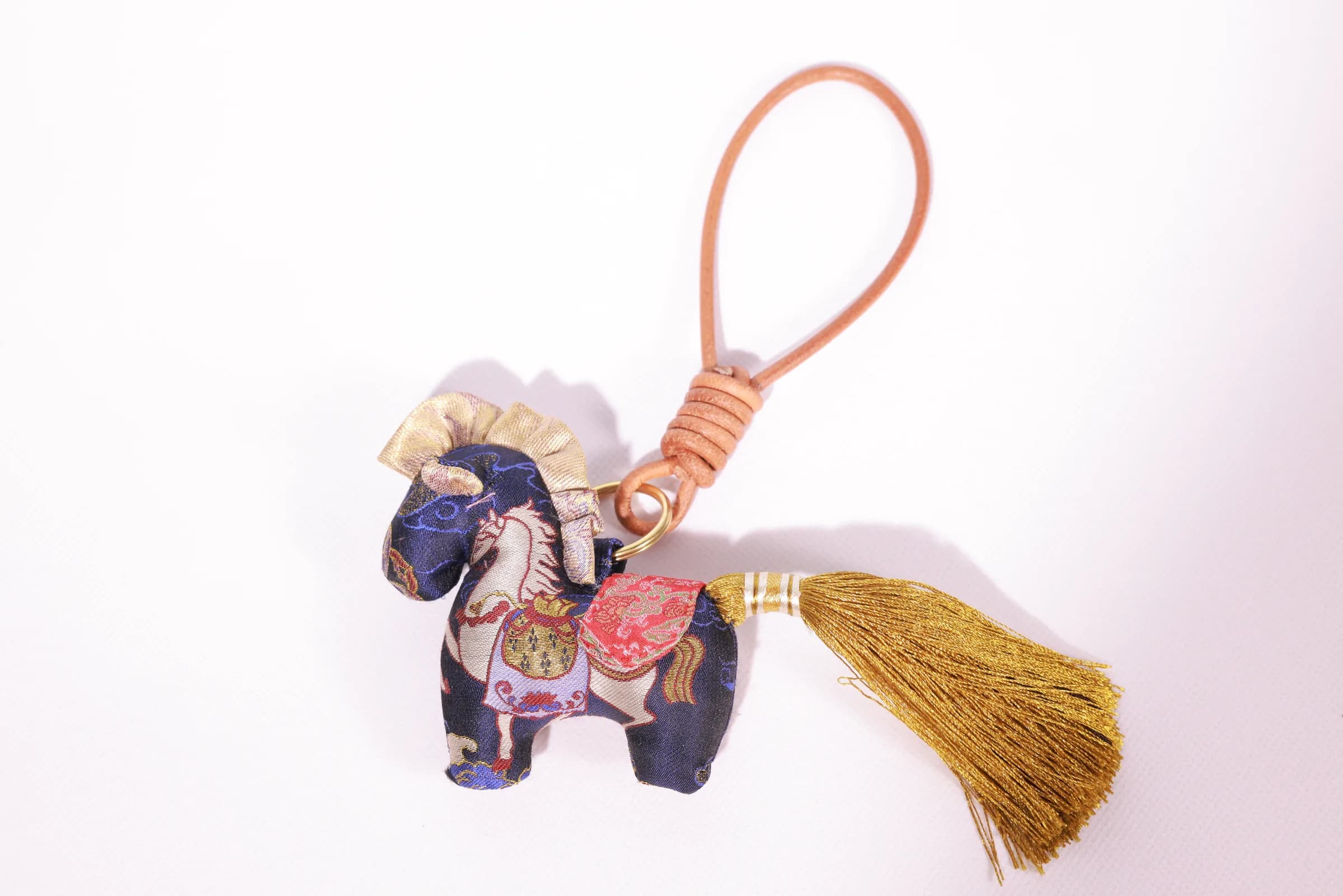
- Designed to match charms, bags and gift sets from the same pattern family.