The Silhouette
Intangible Heritage Craft Points
Heritage textile details, finishing notes and limited-batch positioning for the luxury product template.
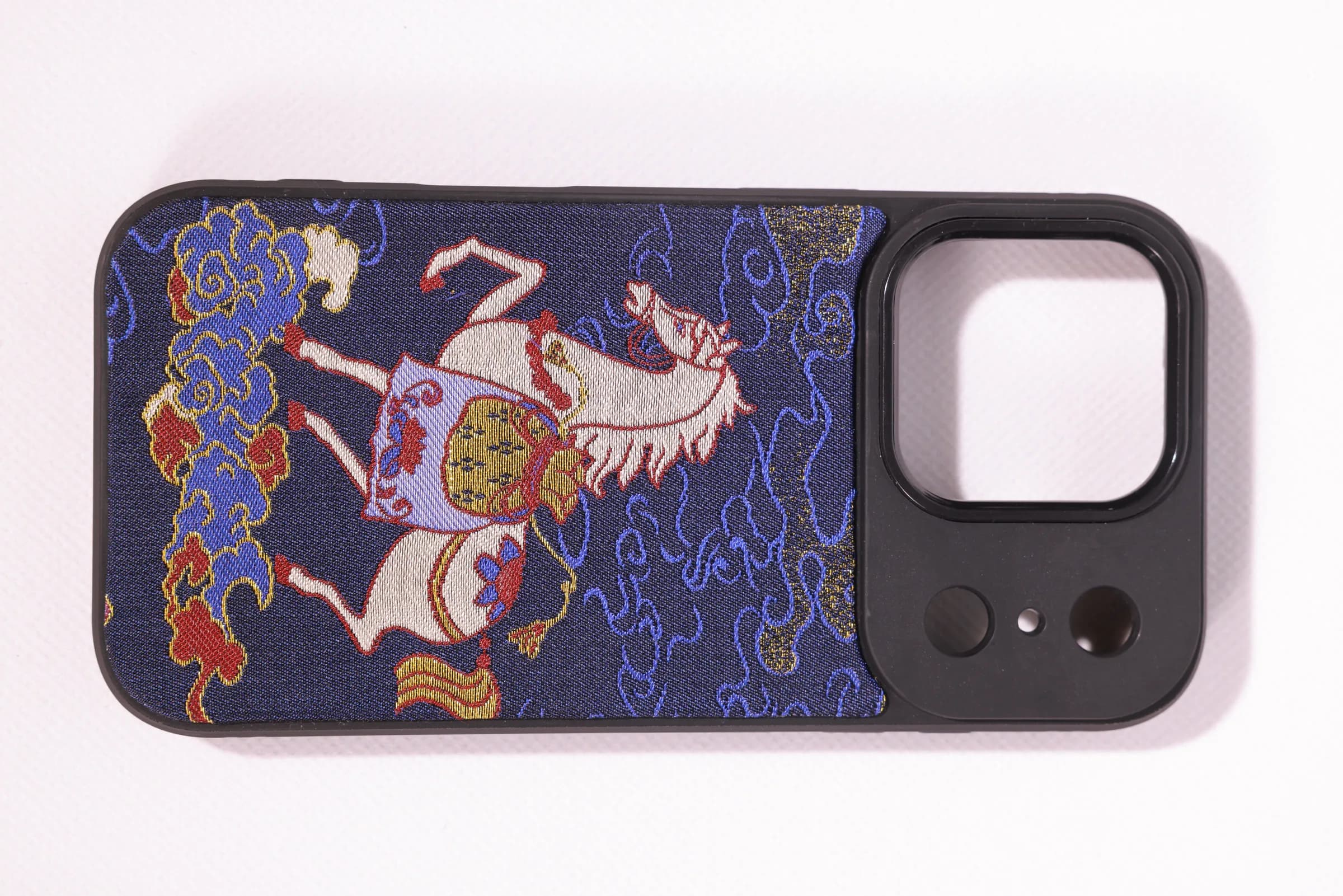
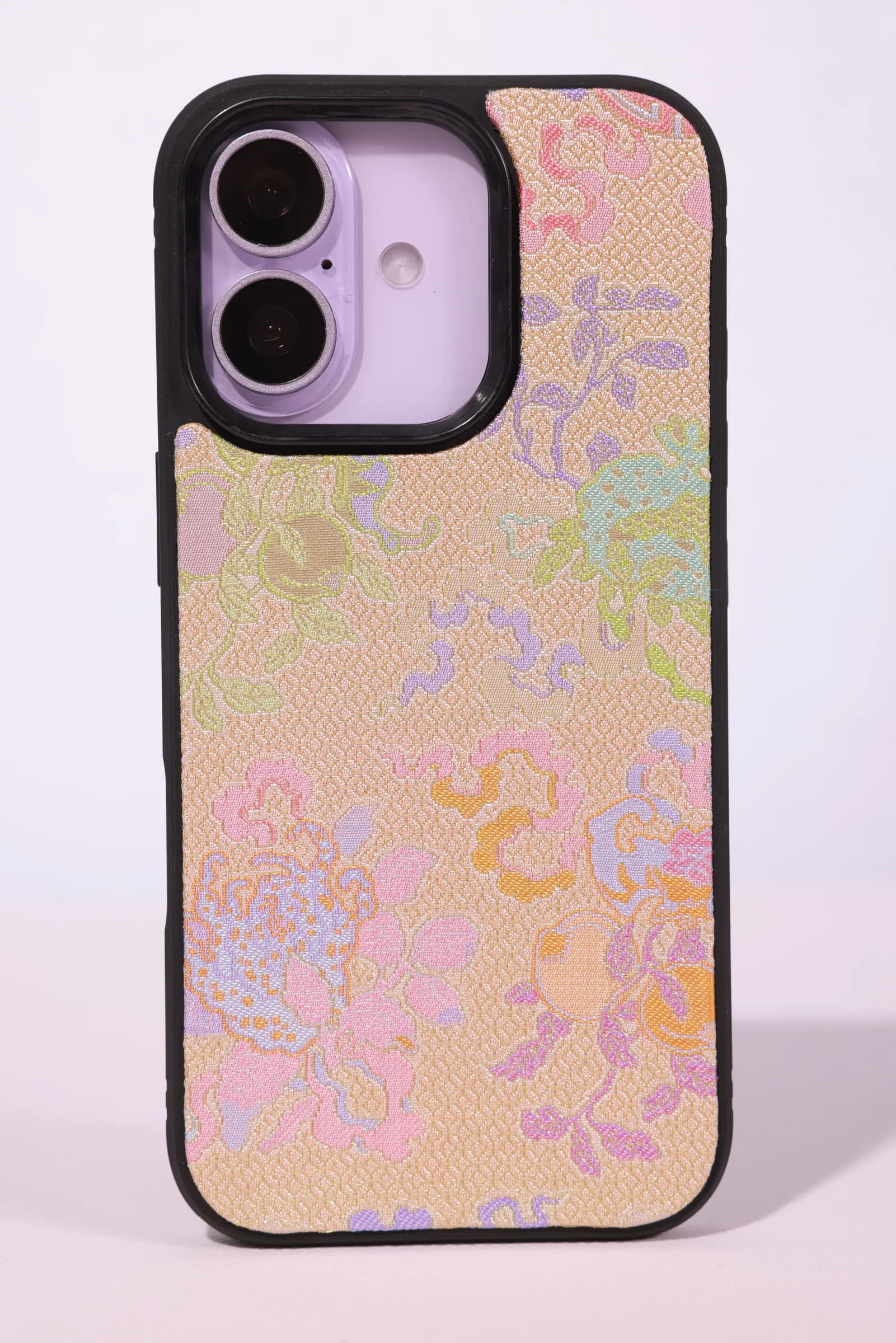
The Suzhou intangible cultural heritage ancient Song brocade fabric is selected, and the natural mulberry silk is mixed with glittering gold silk, and the three auspicious patterns of the classic ancient coins of the Ming and Qing Dynasties are reproduced: the ancient coins connected all over the ground symbolize continuous wealth, and pomegranates, longevity peaches, and peonies form the traditional three mores, which mean more blessings, more longevity, and more children. It is hand-woven with a three-dimensional concave and convex texture. The soft and warm champagne background is matched with macaron floral and fruit colors. The silk gold thread shimmers slightly downstream of the light. The texture is far better than the cheap printed fabric shells on the market. It is equipped with a full-coverage matte TPU soft edge, a 1:1 mold opening of the real machine, accurate hole position, and a heightened lens ring to protect against bumps; the silk brocade surface is skin-friendly and breathable, oil-resistant and fingerprint-resistant, so you can hold it without getting sweaty in summer. The royal Song brocade, which was used in ancient times for royal brocade boxes, ancient books to be framed, and nobles to carry brocade bags with them, has been transformed into a daily carry-on national style good thing. It is elegant for personal use and full of good wishes for longevity and wealth as a gift.
Song brocade originated from Suzhou Weaving House in the Southern Song Dynasty. It is one of the three most famous brocades in China and an intangible cultural heritage of mankind. From the Song and Yuan Dynasties to the Ming and Qing Dynasties, it has been used by the royal court for a long time. It is specially used for mounting royal robes, treasure boxes, and precious calligraphy and paintings. The three-dot pattern on ancient coins is the royal brocade pattern used by the rich and powerful in the Ming and Qing Dynasties: the ancient coin pattern all over the ground is taken from the style of ancient copper coins, which symbolizes the accumulation of wealth and endless wealth over the years; the three-doubt pattern originates from the traditional auspicious culture, with peonies symbolizing good fortune, longevity peaches symbolizing longevity, and pomegranates symbolizing many children. They were the first choice for wedding and birthday gifts in ancient times. A piece of Song brocade fabric needs to go through more than 20 ancient processes such as reeling, dyeing, knotting, and hand-making. The old loom can only weave a few centimeters of brocade surface in a single day, and raw materials and working hours are scarce. The designer dug deep into the ancient brocade patterns in the museum's collection and condensed the three Song brocades of ancient coins sealed in the museum onto a square-inch phone case, allowing the thousand-year-old intangible cultural heritage brocades to move from ancient scrolls deep in the palace into modern daily life.
- Inspired by Chinese intangible heritage weaving and Silk Road ornament.
- Hand-finished surface made in small batches for visual consistency.
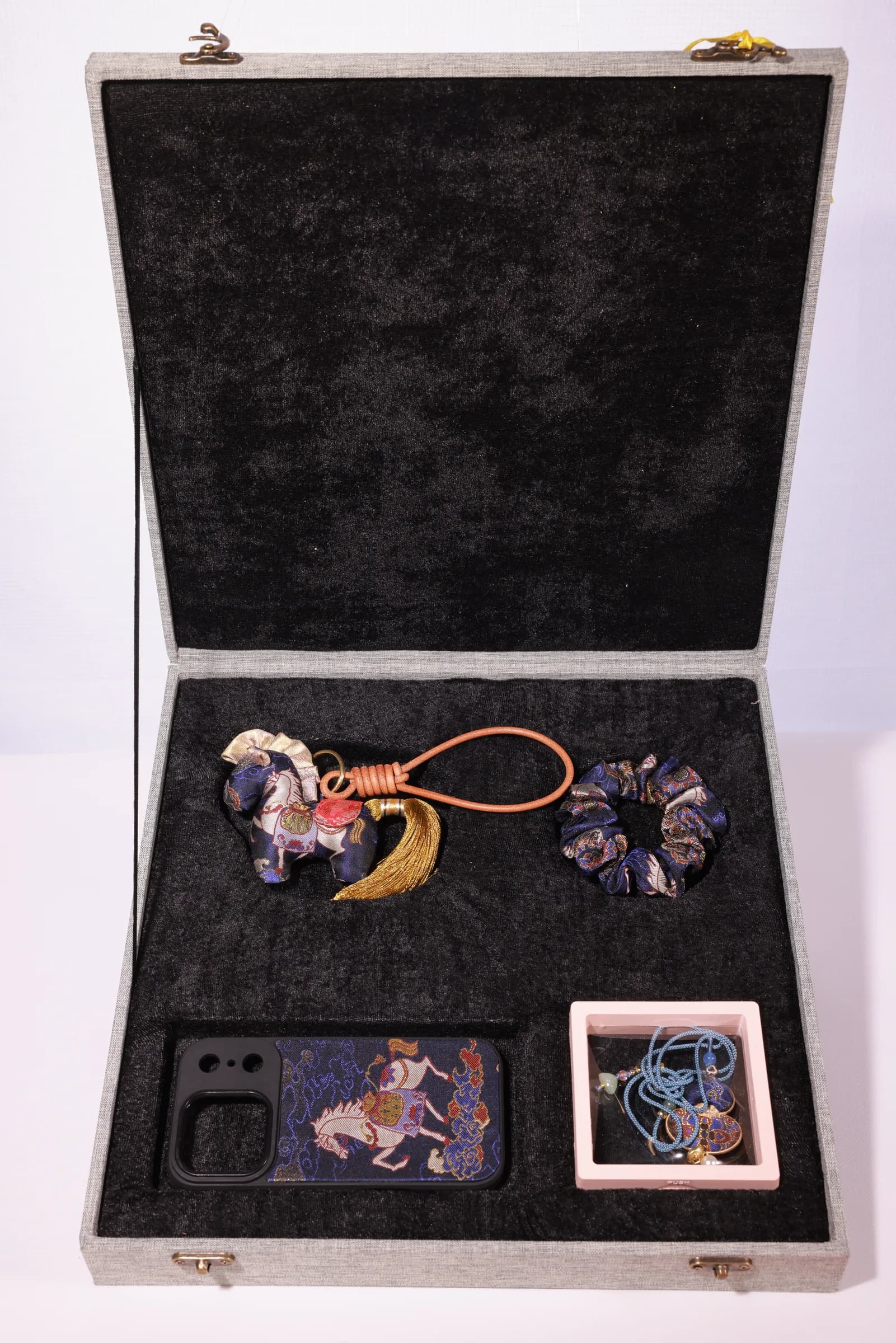
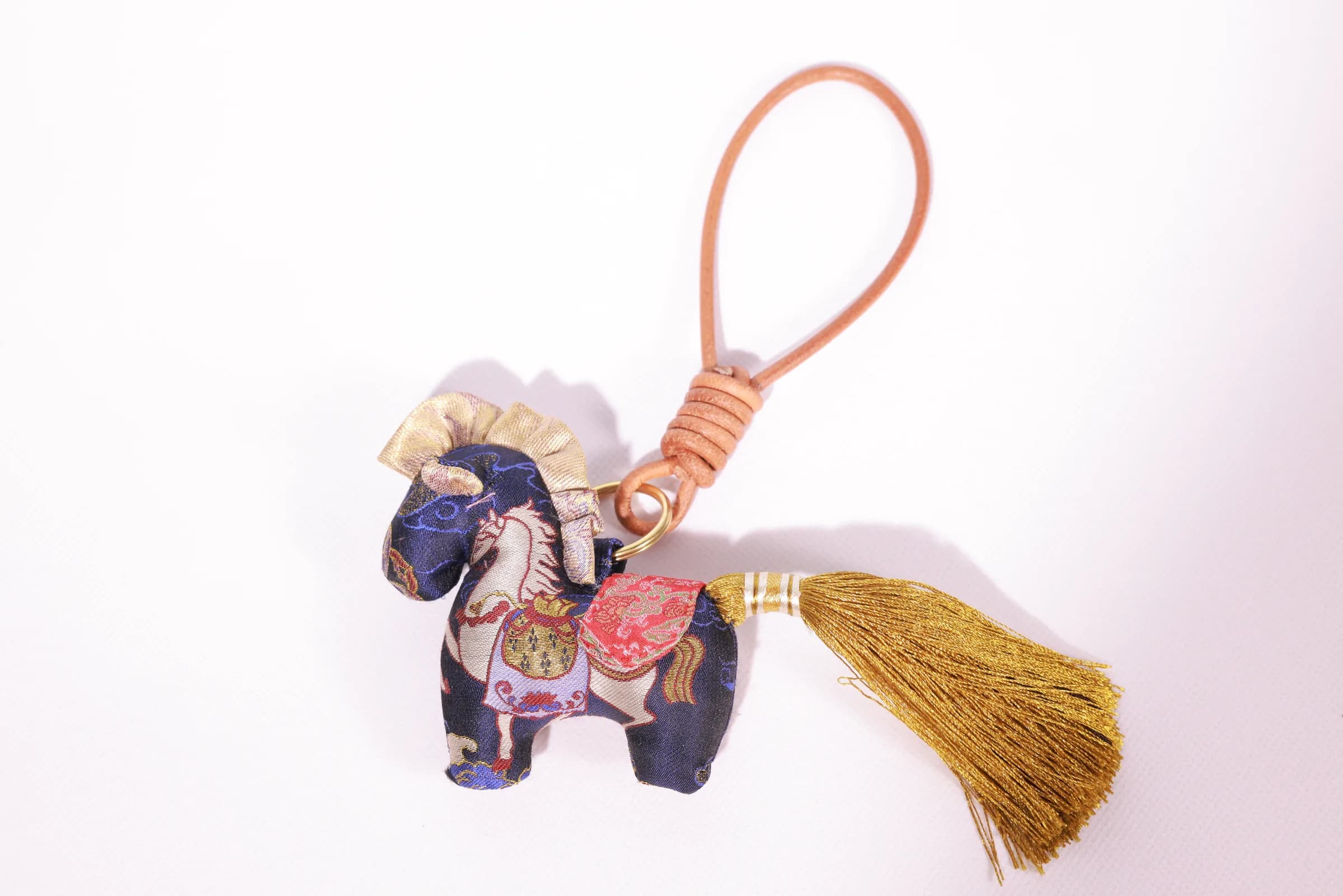
- Designed to match charms, bags and gift sets from the same pattern family.